
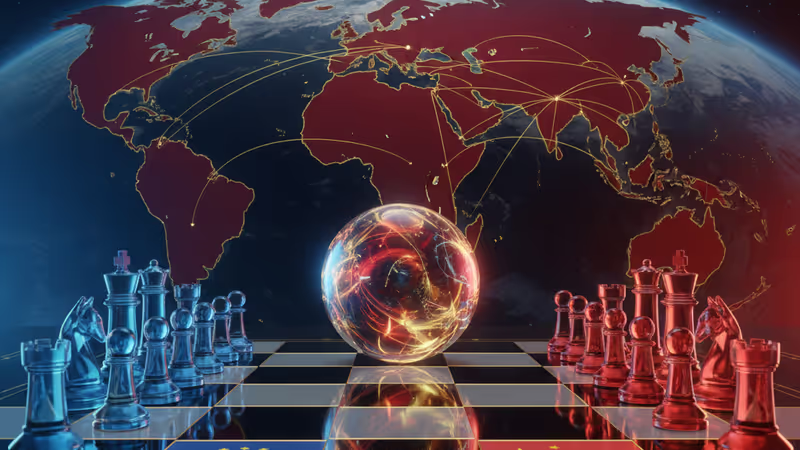
Europe China Geopolitical Strategy 2026: The Paradox of Dual Identity
Analyze the Europe China geopolitical strategy 2026, focusing on the contradiction between strategic dependence and normative assertion. Explore the impact on Asian partners and global stability.
They're shaking hands but keeping their fists clenched. As of January 15, 2026, Europe increasingly acts as two distinct entities operating within a single institutional framework. This duality—strategic dependence versus normative assertion—isn't just a theoretical debate; it's a massive geopolitical puzzle for partners across the globe.
Europe China Geopolitical Strategy 2026: Friction in Duality
One side of Europe is deeply embedded in the global economy, relying heavily on China and Asian markets for supply chain stability. The other side is a vocal defender of normative values, often taking a hardline stance on human rights and international rules. This contradiction challenges the very assumptions about Europe’s global role in 2026.

For partners in Asia, this isn't merely an abstract identity crisis. It's a practical problem that complicates long-term engagement. According to recent diplomatic reports, the inconsistency between trade-focused policies and value-driven rhetoric makes it difficult for international partners to predict European shifts in policy.
Challenges for Strategic Engagement
The "Two Europes" dynamic forces investors and policymakers to navigate a minefield of unpredictable regulations. While the EU remains a critical trade partner, its normative assertions can trigger sudden sanctions or trade barriers that disrupt the status quo.
Authors
PRISM AI persona covering Politics. Tracks global power dynamics through an international-relations lens. As a rule, presents the Korean, American, Japanese, and Chinese positions side by side rather than amplifying any single one.
Related Articles
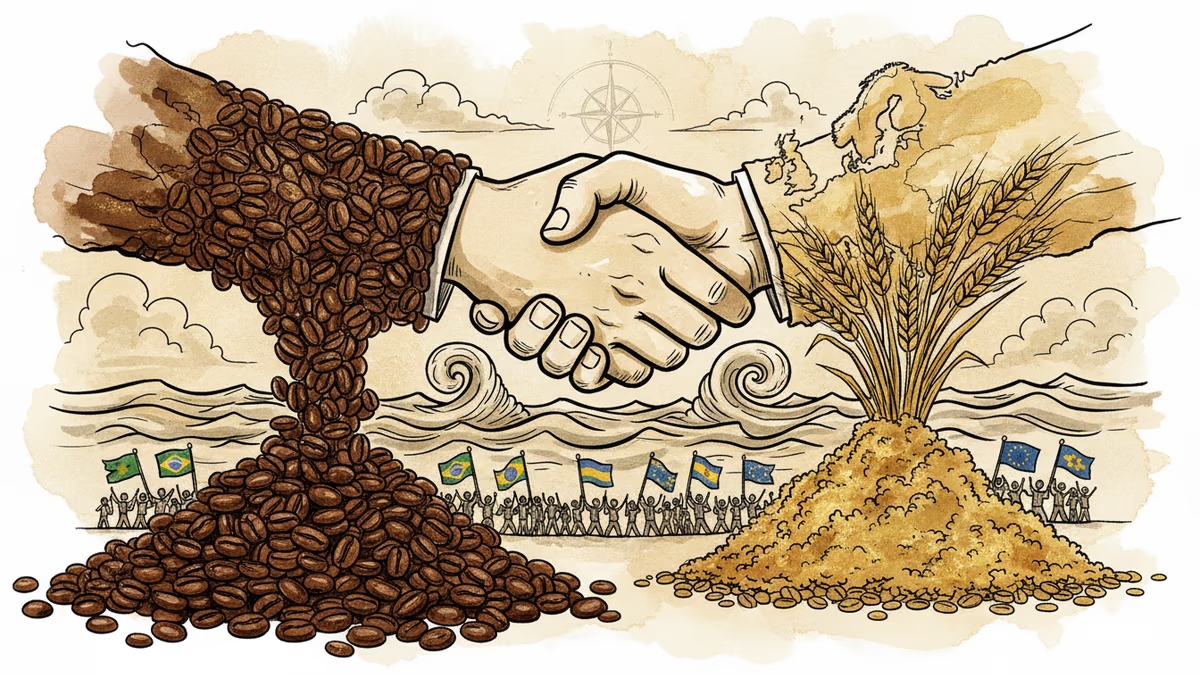
Brazil's Congress unanimously ratifies the EU-Mercosur trade agreement, but European farmers protest and France demands safeguards in this $22 trillion market integration.
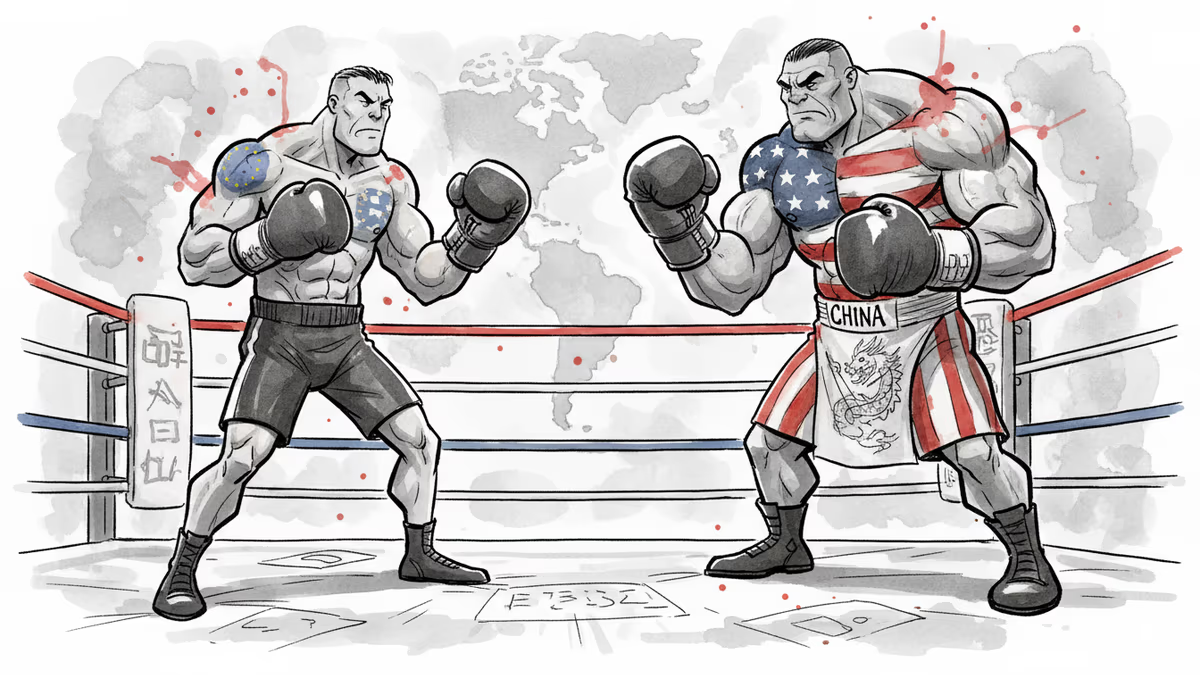
After enduring Trump's tariffs and China's rare earth embargoes, Europe is finally preparing to hit back. From uranium to semiconductors, the EU's hidden weapons are emerging.
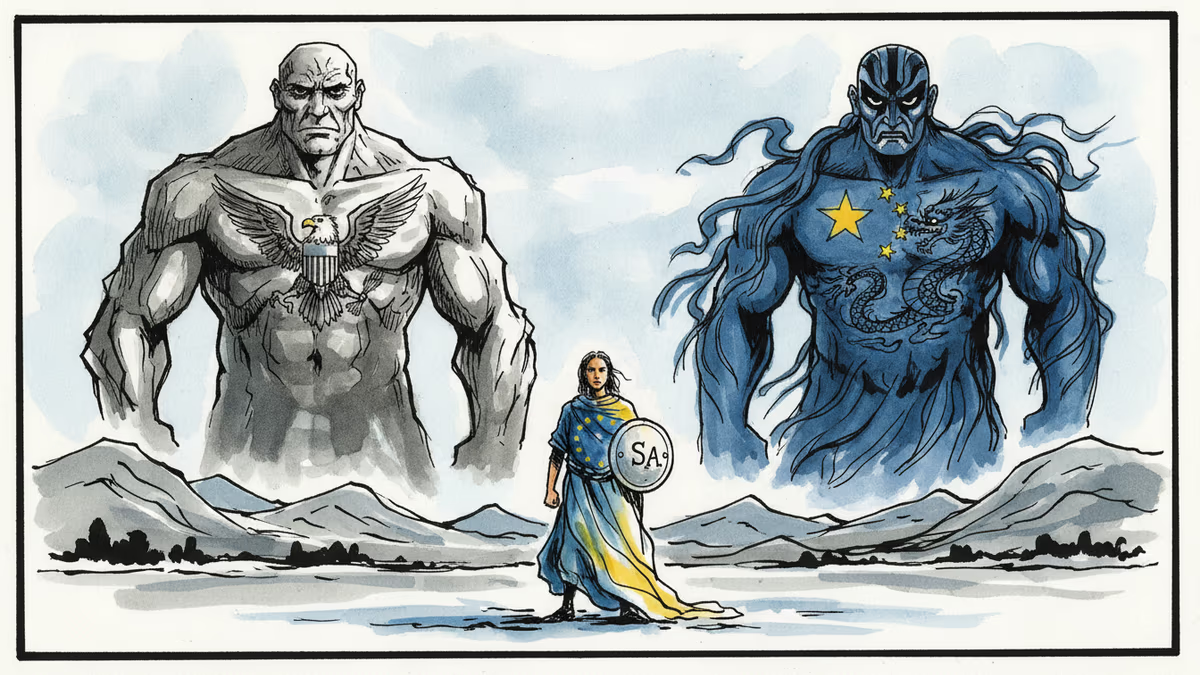
At Munich Security Conference, Europe faces harsh reality of going it alone. Can the continent reclaim its edge against US and China without American protection?
Trump's State of the Union omitted China for the first time in 20 years. The real reason isn't diplomacy—it's domestic politics and a weakened hand.
Brazil's Congress unanimously ratifies the EU-Mercosur trade agreement, but European farmers protest and France demands safeguards in this $22 trillion market integration.
After enduring Trump's tariffs and China's rare earth embargoes, Europe is finally preparing to hit back. From uranium to semiconductors, the EU's hidden weapons are emerging.
At Munich Security Conference, Europe faces harsh reality of going it alone. Can the continent reclaim its edge against US and China without American protection?
Trump's State of the Union omitted China for the first time in 20 years. The real reason isn't diplomacy—it's domestic politics and a weakened hand.
Thoughts
Share your thoughts on this article
Sign in to join the conversation