
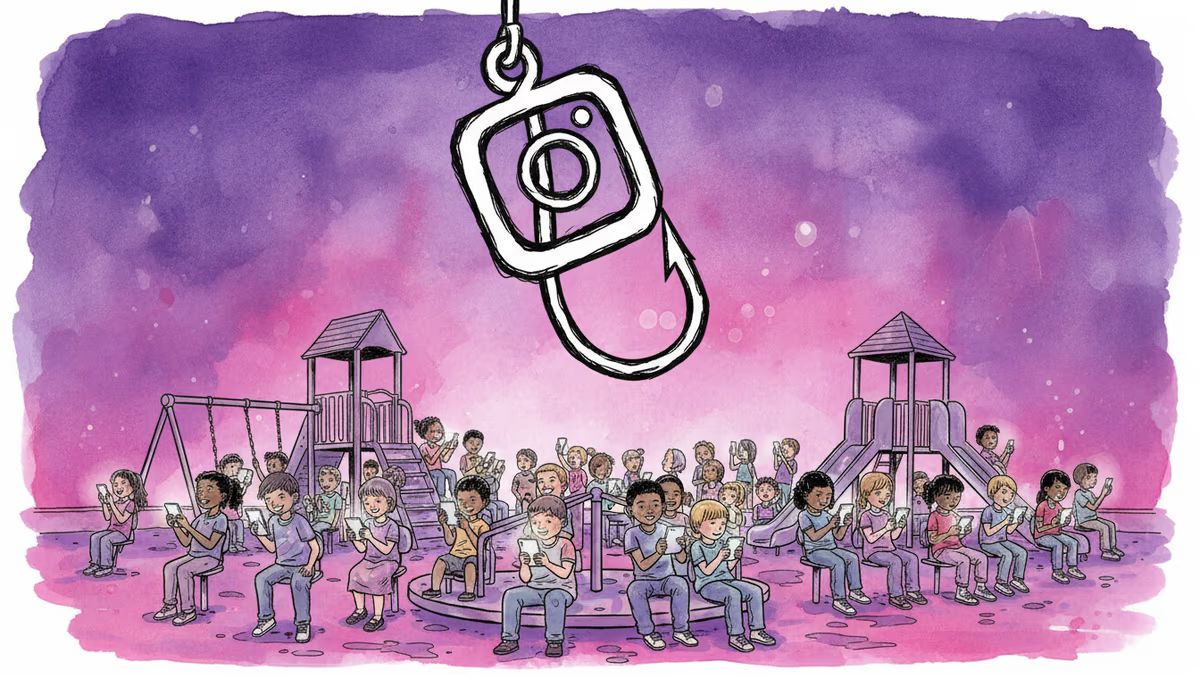
The Documents That Expose Instagram's Teen Strategy
Internal Meta documents revealed during Zuckerberg's testimony show deliberate targeting of minors despite knowing the risks
46 minutes. That's how long the average American spent on Instagram daily in 2026, up from 40 minutes in 2023. But this 15% increase wasn't accidental—it was tracked, measured, and celebrated as a company "milestone," according to internal documents revealed during Mark Zuckerberg's rare jury testimony in Los Angeles.
The real bombshell? Back in 2015, Instagram knew it had 4 million users under 13—representing 30% of all 10-to-12-year-olds in America.
"Our Overall Goal Is Total Teen Time Spent"
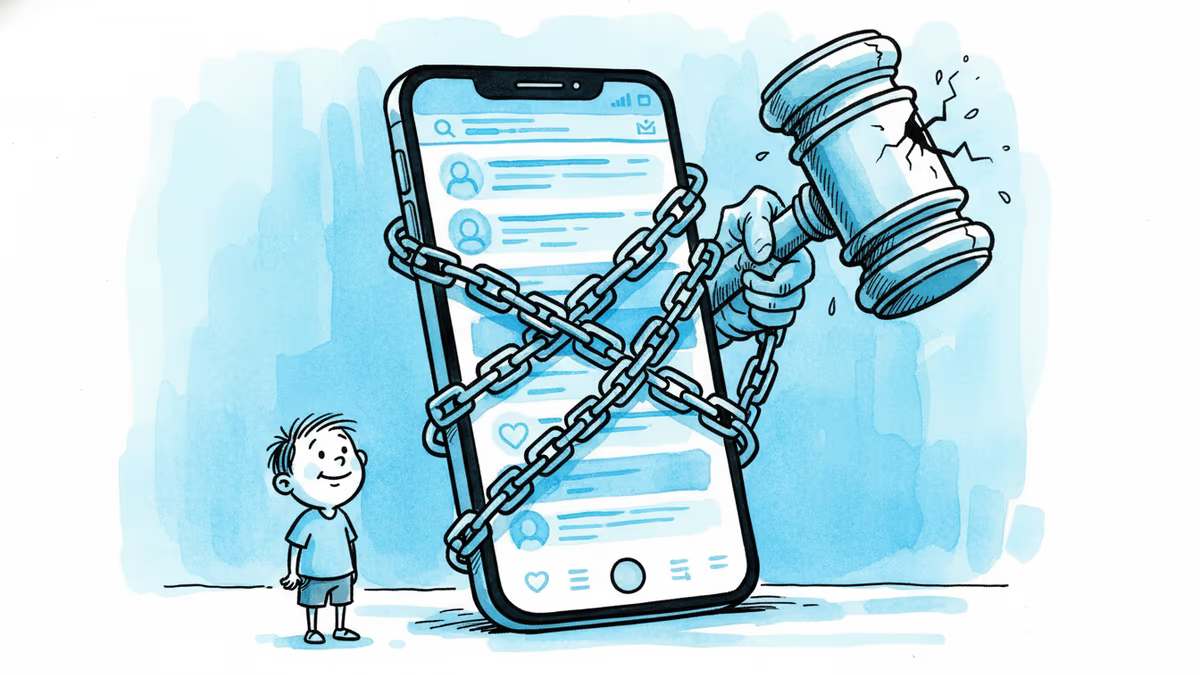
In the ongoing K.G.M. v. Platforms lawsuit, 19-year-old "Kaley" claims social media use during her childhood led to depression and suicidal thoughts. The plaintiff's legal team has weaponized Meta's own words against the company, revealing emails that lay bare the strategy.
"Our overall company goal is total teen time spent," wrote a former product manager. Another document stated that "Mark has decided that the top priority for the company in the first half of 2017 is teens." A 2018 market analysis identified tweens as the "highest retention age group" in the U.S.
Zuckerberg attempted damage control, arguing that tracking "milestones" differed from setting specific "goals." But the distinction feels semantic when internal communications consistently prioritized capturing young users' attention.
The Eight-Year Gap
Perhaps more damaging than the targeting strategy was Meta's inaction despite knowing the scope of underage usage. Nick Clegg, Zuckerberg's former advisor, admitted in an internal email that Instagram's age requirements were "basically unenforceable."
The timeline is telling: Meta identified 4 million underage users in 2015 but didn't require birthday verification until August 2021. That's a six-year window where the company knew children were using its platform but took no meaningful action to remove them.

When Zuckerberg told Congress in 2024 that children under 13 weren't allowed on Instagram, he was technically stating company policy—but internal documents show this policy was more aspiration than reality.
The Addiction Economy
The lawsuit highlights a fundamental tension in social media business models. Platforms profit from engagement, measured in time spent and interactions generated. The most engaged users? Often the youngest ones, whose developing brains are most susceptible to the dopamine hits these platforms are designed to deliver.
Snap and TikTok settled before trial, suggesting they preferred paying up to having their internal strategies scrutinized in court. Meta and YouTube chose to fight, betting that juries won't hold platforms liable for individual mental health outcomes.
Meta disputes that Instagram caused Kaley's troubles, with spokesperson Stephanie Otway noting the plaintiff "faced many significant, difficult challenges well before she ever used social media." It's a defense strategy that places responsibility on individual users rather than platform design.
The Regulatory Reckoning
This case arrives as lawmakers worldwide grapple with social media regulation. The EU's Digital Services Act, the UK's Online Safety Bill, and various U.S. state initiatives all target platforms' impact on minors. But enforcement remains challenging when companies can claim they're merely providing neutral tools.
The internal documents suggest otherwise. Current Meta documentation indicates the company still hopes Instagram will become "the largest teen destination by monthly active users in the U.S. and globally this year." Despite rolling out teen protections and parental controls, the fundamental business incentive—capturing young attention—remains unchanged.
Beyond the Courtroom
This lawsuit transcends individual liability. It's really asking whether society will accept that companies can deliberately design products to capture children's attention, then disclaim responsibility for the consequences.
The answer will shape not just Meta's future, but the entire attention economy that powers modern digital platforms.
Authors
Related Articles
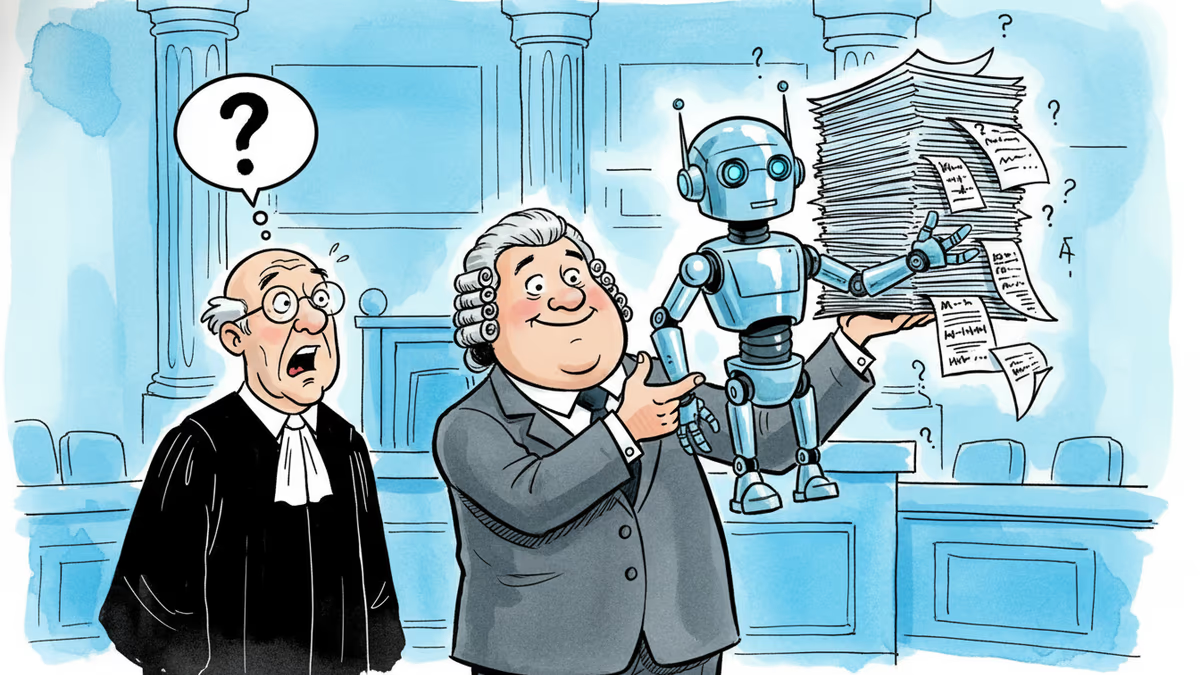
A law firm marketing itself on AI-powered legal success submitted fake citations in a federal appeal. Now its lawyers face sanctions — and the broader AI legal industry faces a credibility crisis.
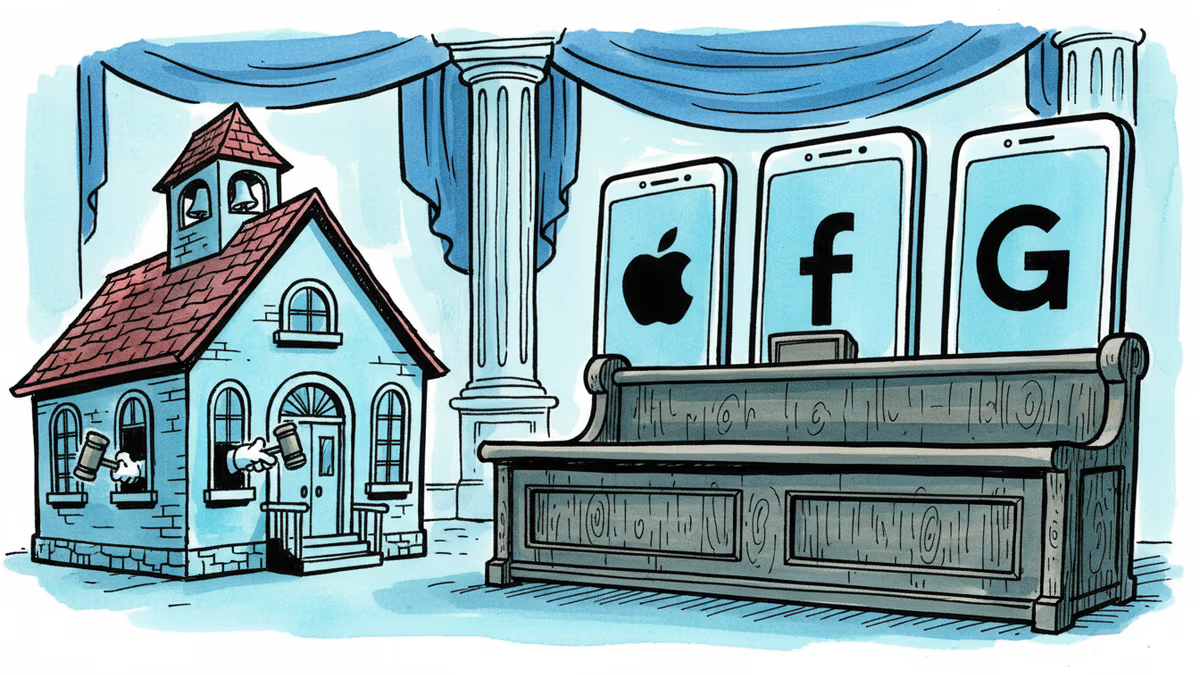
Snap, YouTube, and TikTok settled a landmark school district lawsuit over social media addiction. With 1,000+ similar cases pending, this could reshape Big Tech's liability landscape.
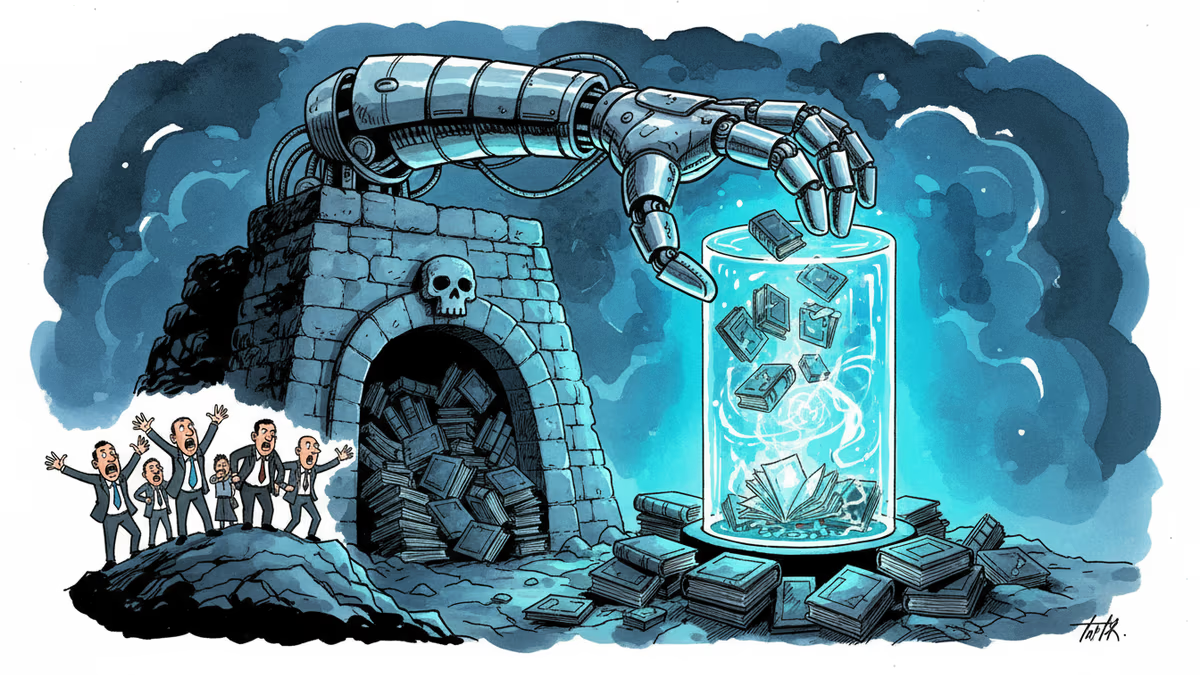
Five major publishers and author Scott Turow have filed a class action lawsuit against Meta, alleging the company used illegal pirate sites like LibGen to train its Llama AI models without permission.
New Mexico already won $375 million from Meta. Now it wants something harder to give: a court order forcing Facebook, Instagram, and WhatsApp to redesign themselves. A three-week trial starts Monday.
A law firm marketing itself on AI-powered legal success submitted fake citations in a federal appeal. Now its lawyers face sanctions — and the broader AI legal industry faces a credibility crisis.
Snap, YouTube, and TikTok settled a landmark school district lawsuit over social media addiction. With 1,000+ similar cases pending, this could reshape Big Tech's liability landscape.
Five major publishers and author Scott Turow have filed a class action lawsuit against Meta, alleging the company used illegal pirate sites like LibGen to train its Llama AI models without permission.
New Mexico already won $375 million from Meta. Now it wants something harder to give: a court order forcing Facebook, Instagram, and WhatsApp to redesign themselves. A three-week trial starts Monday.
Thoughts
Share your thoughts on this article
Sign in to join the conversation