

Instagram Password Reset Email Issue: Meta Denies Breach Amid User Confusion
Instagram addresses the recent password reset email issue, denying a system breach. Learn why thousands received these unprompted emails and how to stay safe.
Is your account actually safe? A flood of suspicious password reset emails hit inboxes worldwide, but Instagram insists it's not a breach. The company confirmed that while its systems remain secure, a bizarre loophole allowed external parties to trigger these notifications for unsuspecting users.
Inside the Instagram Password Reset Email Issue
Over the past weekend, Instagram users reported receiving a sudden influx of unprompted password reset emails. According to a statement released on X, the platform fixed an issue that enabled external parties to request these emails for some accounts. "There was no breach of our systems and your accounts are secure," the company stated, advising users to simply ignore the messages.

The situation gained massive traction on TikTok, where cybersecurity account @ohhackno posted an explainer that garnered over 4 million views. Adding to the confusion, many of these emails didn't appear in the users' official "Emails from Instagram" list within the app, which typically tracks all official communications sent in the past 14 days.
Authors
Related Articles
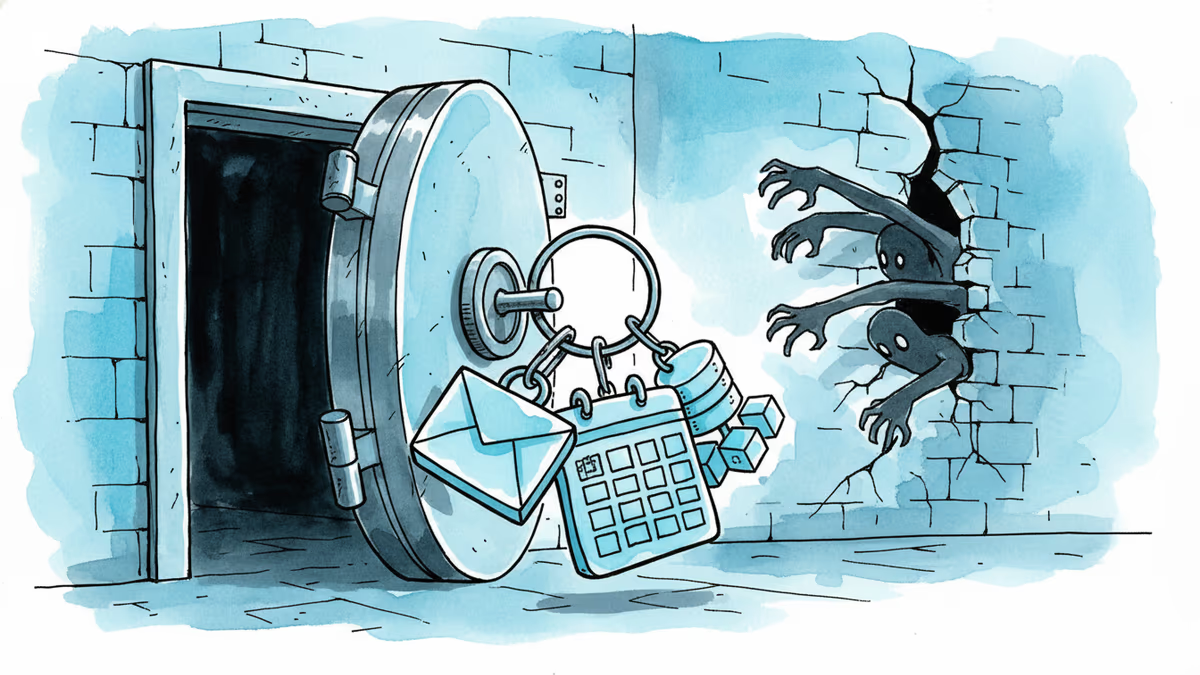
A critical vulnerability in Starlette—downloaded 325 million times per week—puts millions of AI agent servers at risk, exposing stored credentials for email, databases, and third-party services.
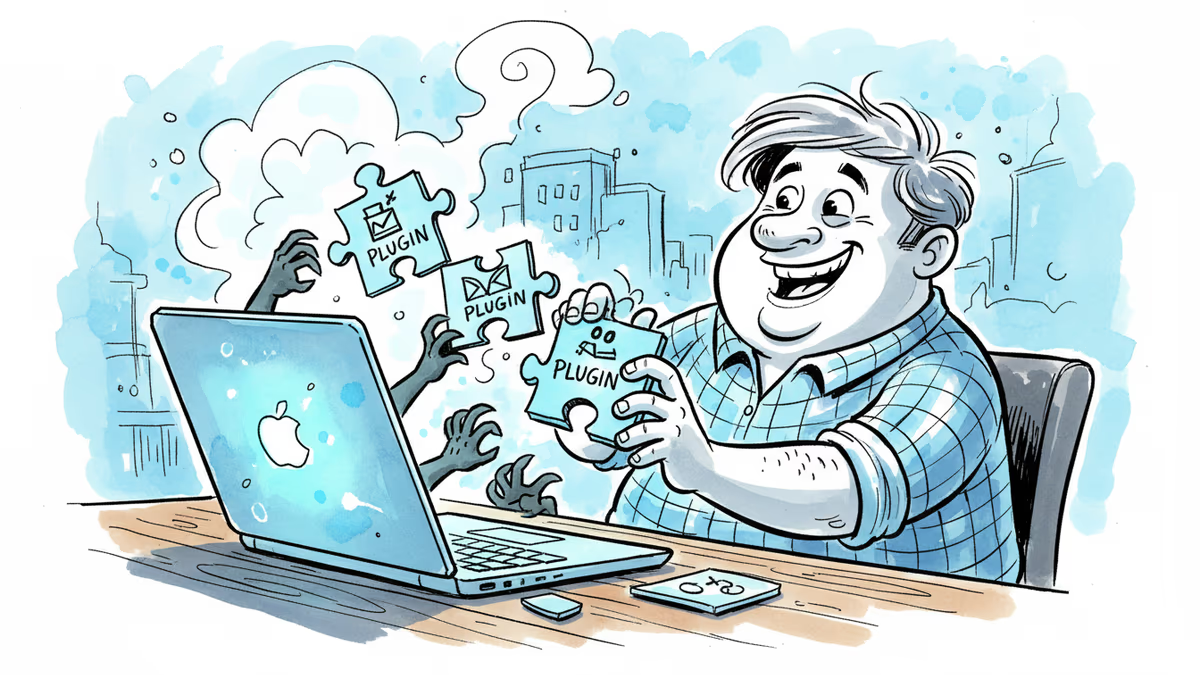
GitHub confirmed hackers stole data from 3,800 internal repositories via a poisoned VS Code extension. Here's why developer tools are now the most dangerous attack surface in tech.
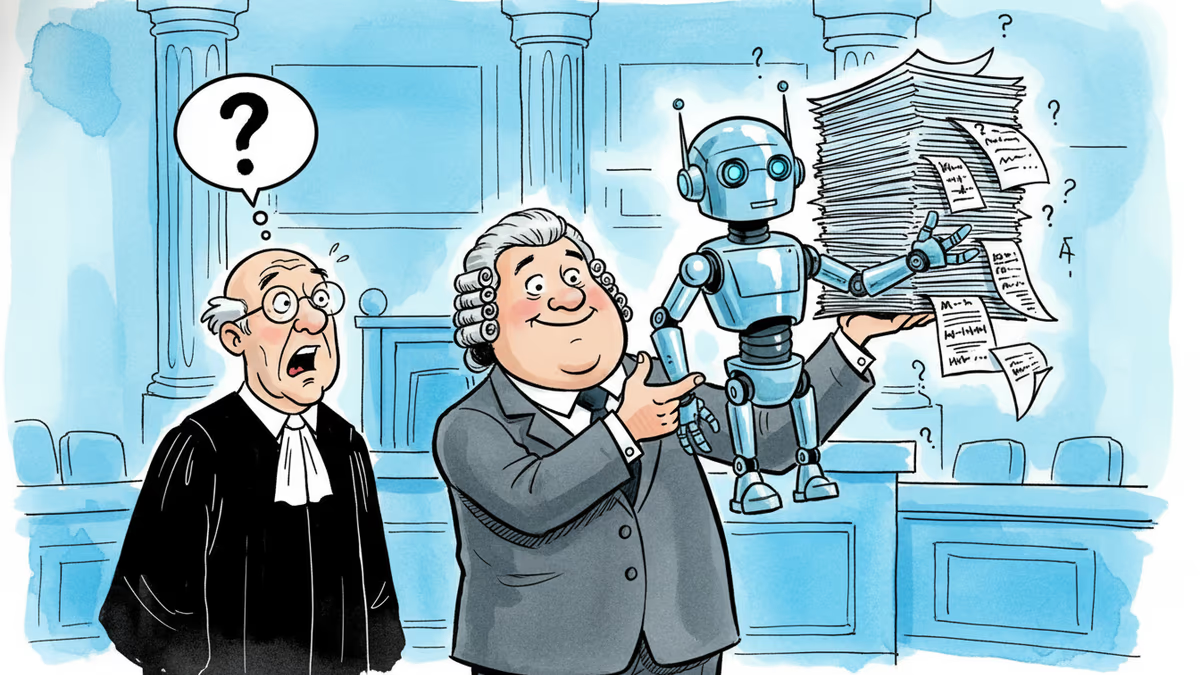
A law firm marketing itself on AI-powered legal success submitted fake citations in a federal appeal. Now its lawyers face sanctions — and the broader AI legal industry faces a credibility crisis.
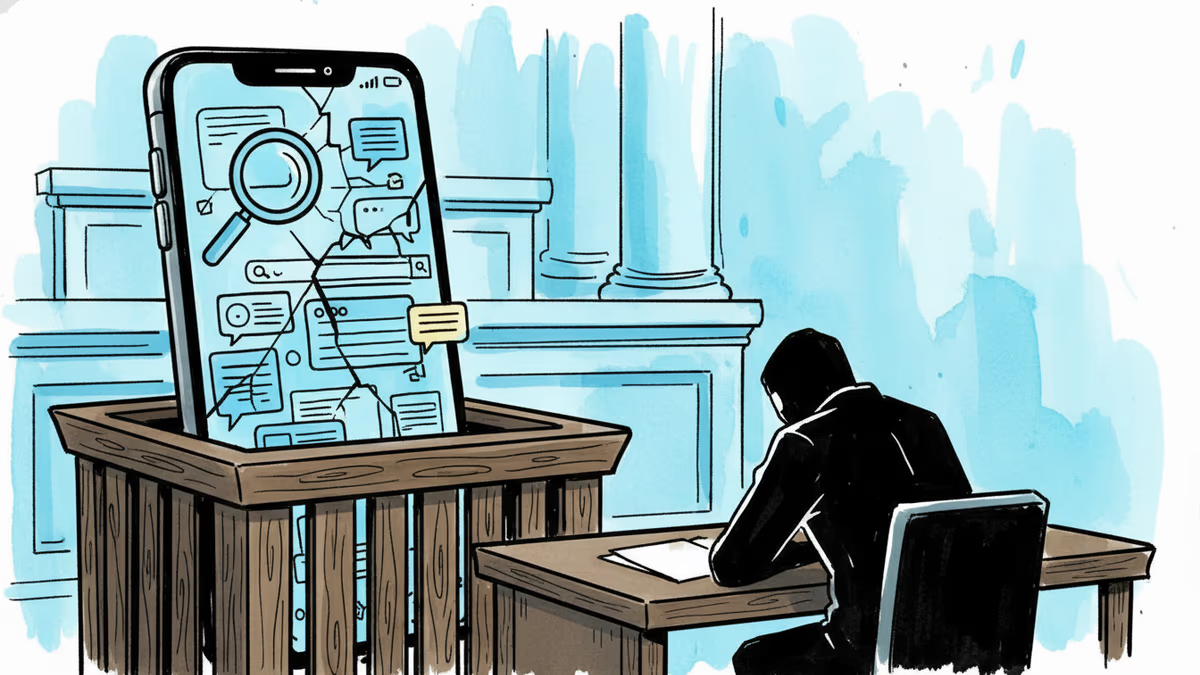
A Utah woman was sentenced to life in prison partly because of her Google searches and deleted texts. The Kouri Richins case reveals how digital footprints have become the courtroom's most reliable witness.
A critical vulnerability in Starlette—downloaded 325 million times per week—puts millions of AI agent servers at risk, exposing stored credentials for email, databases, and third-party services.
GitHub confirmed hackers stole data from 3,800 internal repositories via a poisoned VS Code extension. Here's why developer tools are now the most dangerous attack surface in tech.
A law firm marketing itself on AI-powered legal success submitted fake citations in a federal appeal. Now its lawyers face sanctions — and the broader AI legal industry faces a credibility crisis.
A Utah woman was sentenced to life in prison partly because of her Google searches and deleted texts. The Kouri Richins case reveals how digital footprints have become the courtroom's most reliable witness.
Thoughts
Share your thoughts on this article
Sign in to join the conversation