
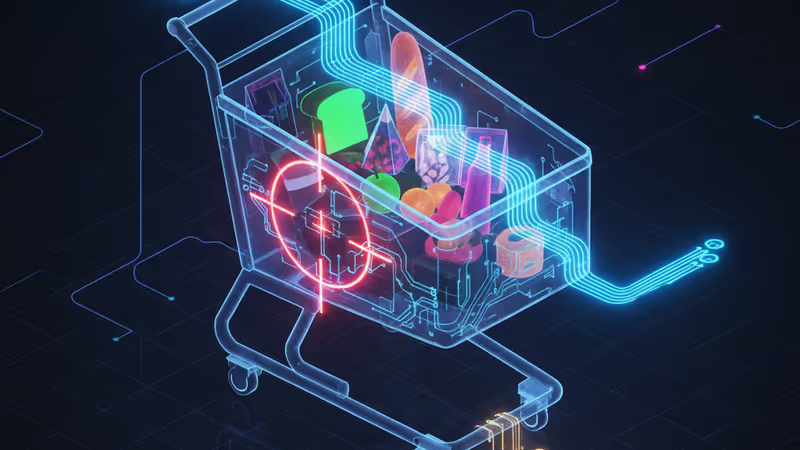
Instacart's AI in the FTC's Crosshairs: The Hidden Tax of Algorithmic Convenience
The FTC's probe into Instacart isn't just about groceries. It's a landmark case against opaque algorithmic pricing, with huge implications for the entire tech industry.
The Lede: Beyond the Grocery Cart
The Federal Trade Commission's (FTC) investigation into Instacart's pricing isn't just about a 7% markup on your groceries. For any executive in the tech, retail, or investment space, this is a blaring siren. It signals the end of the 'black box' era for consumer-facing algorithms. The core question regulators are now asking is no longer if a platform adds value, but how it extracts that value—and whether that extraction is deceptive. This probe is a test case for the entire on-demand economy, where algorithmic pricing has become the silent, and highly profitable, engine of growth.
Why It Matters: The Trust Economy Under Scrutiny
Instacart's stock slid 7% on the news, but the real damage isn't on the ticker; it's to the foundational trust between platforms and users. The convenience economy is built on a simple premise: trade money for time and ease. This investigation threatens to reframe that transaction as trading money for algorithmic manipulation.
- The Regulatory Shot Across the Bow: Under Chair Lina Khan, the FTC has been hunting for a high-profile case to set a precedent for regulating algorithmic pricing. Instacart, with its recent IPO and mass-market consumer base, is the perfect target. The outcome here will create a ripple effect, impacting how companies like Uber, DoorDash, and even Amazon deploy pricing AI.
- The Consumer Trust Deficit: Instacart's defense—that it's merely A/B testing like any retailer—is a technical distinction lost on a consumer who feels they've been overcharged. The perception of 'surveillance pricing,' whether technically true or not, erodes the platform's core value proposition. If users can't trust the price they see, the entire model fractures.
- Strained Retailer Relationships: By stating that its retail partners set the prices, Instacart is deflecting blame. This will inevitably force a difficult conversation. Are grocery giants like Kroger and Costco comfortable being associated with opaque pricing tests that could damage their own brand equity? This probe could accelerate retailers' investment in their own first-party delivery services to regain control.

The Analysis: The 'Eversight' Smoking Gun
Instacart’s claim that it doesn’t use “dynamic pricing” is a careful, semantic argument designed to sidestep the explosive connotations of Uber's surge pricing. They call it “randomized A/B testing.” But for the end user, the effect is identical: two people can be shown different prices for the same item from the same store at the same time. The intent behind the difference is irrelevant to the person paying more.
The most critical piece of this puzzle is Instacart’s 2022 acquisition of Eversight, an AI-powered pricing firm, for $59 million. The company's own regulatory filings stated the goal was to “create compelling savings opportunities for customers.” The FTC will be laser-focused on whether Eversight's technology was also used to identify price-insensitive customers and optimize revenue extraction. You don’t buy a sophisticated AI pricing engine just to run simple store-vs-store sales tests. You buy it to gain a granular, data-driven edge—an edge regulators now view as potentially unfair and deceptive.
PRISM's Take: The Convenience Premium Has a Ceiling
Instacart's defense is a masterclass in corporate doublespeak. The distinction between 'A/B testing' and 'dynamic pricing' is an engineering argument that holds no water from a consumer protection standpoint. At its core, the company used its platform and data advantage to test how much more it could charge users without them noticing. The FTC's unusually strong statement that it is “disturbed” by the reports suggests it sees this not as a technicality, but as a fundamental breach of fair-market principles.
This investigation is the opening salvo in a new war on algorithmic opacity. The convenience premium that Instacart and its peers charge is now under a microscope, and if it's found to be artificially inflated by a black box algorithm, the regulatory and reputational cost will be far greater than any revenue gained. The future belongs to platforms that use AI to create transparent value, not to hide a hidden tax.
Authors
Related Articles
The FTC fined Cox Media and two ad firms $930,000 — not for actually eavesdropping on users, but for falsely claiming they could. The case raises uncomfortable questions about surveillance capitalism.
Pennsylvania has sued Character.AI after its chatbot characters claimed to be licensed psychiatrists and provided mental health advice. The case tests whether existing medical law can hold AI platforms accountable.
Stanford's 2026 AI Index reveals AI adoption outpacing PCs and the internet, junior dev jobs falling 20%, and the benchmarks we use to measure AI progress are broken. Here's what the data actually says.

Microsoft, Amazon, and OpenAI have all launched medical AI tools in recent months—with minimal external evaluation. What's at stake when Big Tech moves fast in healthcare?
The FTC fined Cox Media and two ad firms $930,000 — not for actually eavesdropping on users, but for falsely claiming they could. The case raises uncomfortable questions about surveillance capitalism.
Pennsylvania has sued Character.AI after its chatbot characters claimed to be licensed psychiatrists and provided mental health advice. The case tests whether existing medical law can hold AI platforms accountable.
Stanford's 2026 AI Index reveals AI adoption outpacing PCs and the internet, junior dev jobs falling 20%, and the benchmarks we use to measure AI progress are broken. Here's what the data actually says.
Microsoft, Amazon, and OpenAI have all launched medical AI tools in recent months—with minimal external evaluation. What's at stake when Big Tech moves fast in healthcare?
Thoughts
Share your thoughts on this article
Sign in to join the conversation