

X Grok Indonesia and Malaysia Ban Triggered by Deepfake Abuse Concerns
Indonesia and Malaysia have temporarily banned X's Grok chatbot due to concerns over AI-generated sexualized images. Read how deepfake misuse is driving global tech regulation.
Can AI safety keep up with its own creativity? Indonesia and Malaysia have temporarily blocked access to X's Grok chatbot following a surge in AI-generated sexualized content. The decision marks a significant escalation in how governments are responding to the dark side of generative AI tools on social media platforms.
Why the X Grok Indonesia and Malaysia Ban Matters
According to Reuters, on January 12, 2026, authorities in Jakarta and Kuala Lumpur announced they would restricted access to Grok. The ban specifically targets the chatbot's image-editing feature, which allows users to modify uploaded photos. Investigations revealed that this feature was being exploited to create non-consensual fake pornographic content, sparking a wave of public outcry and security concerns.

The Growing Challenge of AI Content Moderation
The move reflects a broader trend of governments tightening their grip on social media companies that fail to implement robust guardrails. While X has often championed absolute free speech, nations in Southeast Asia are prioritizing digital safety and moral standards. This temporary ban could set a precedent for other regions grappling with the rapid proliferation of synthetic media.
Authors
Related Articles
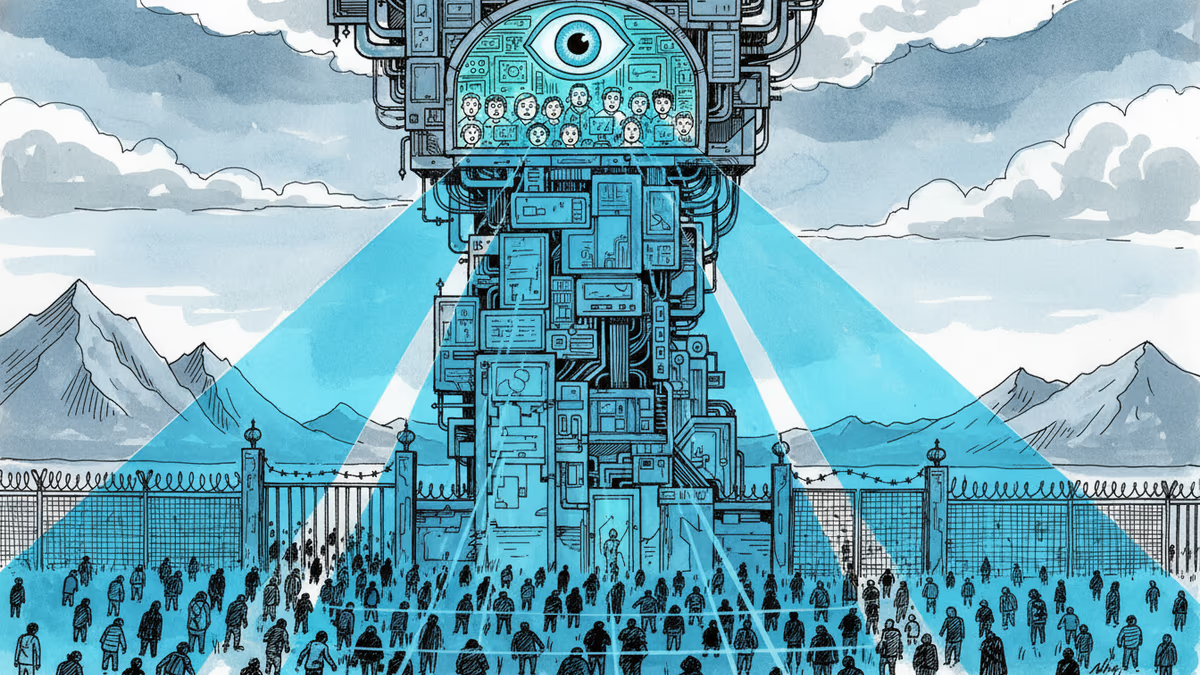
Palantir has become the tech backbone of Trump's immigration enforcement. Former employees are calling it a 'descent into fascism.' What happens when the people who build surveillance tools start asking uncomfortable questions?
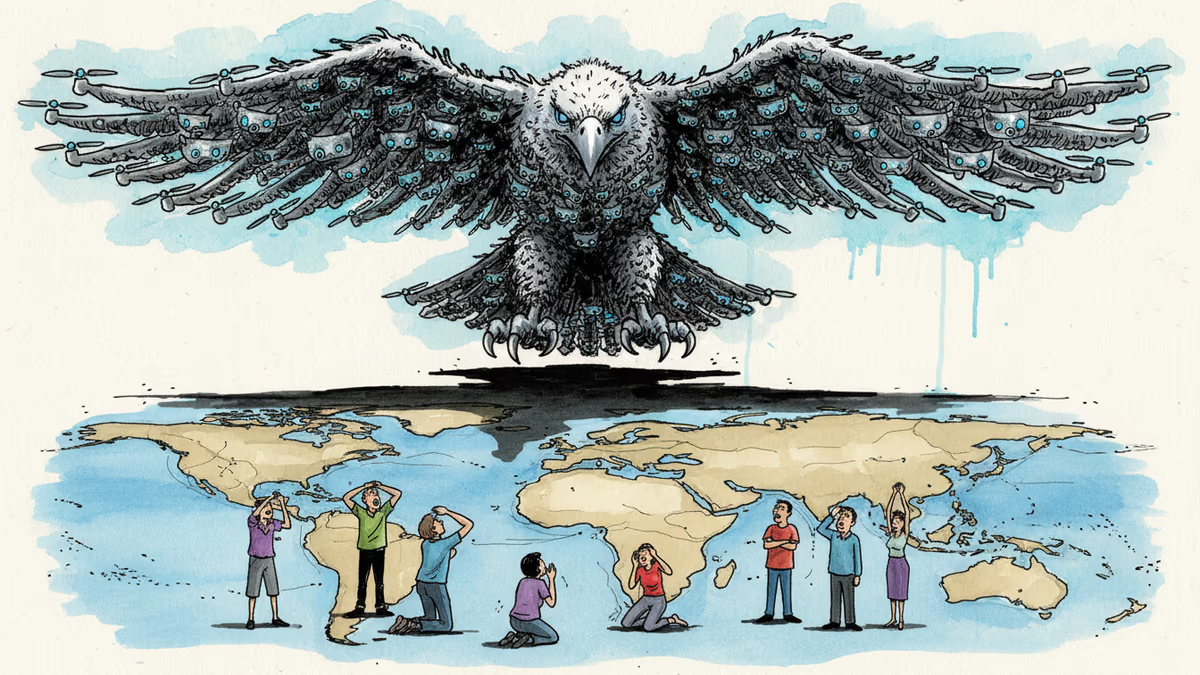
The US defense budget request for FY2027 includes $53.6 billion for drone and autonomous warfare—more than most nations spend on their entire military. What does this mean for global security and the future of war?
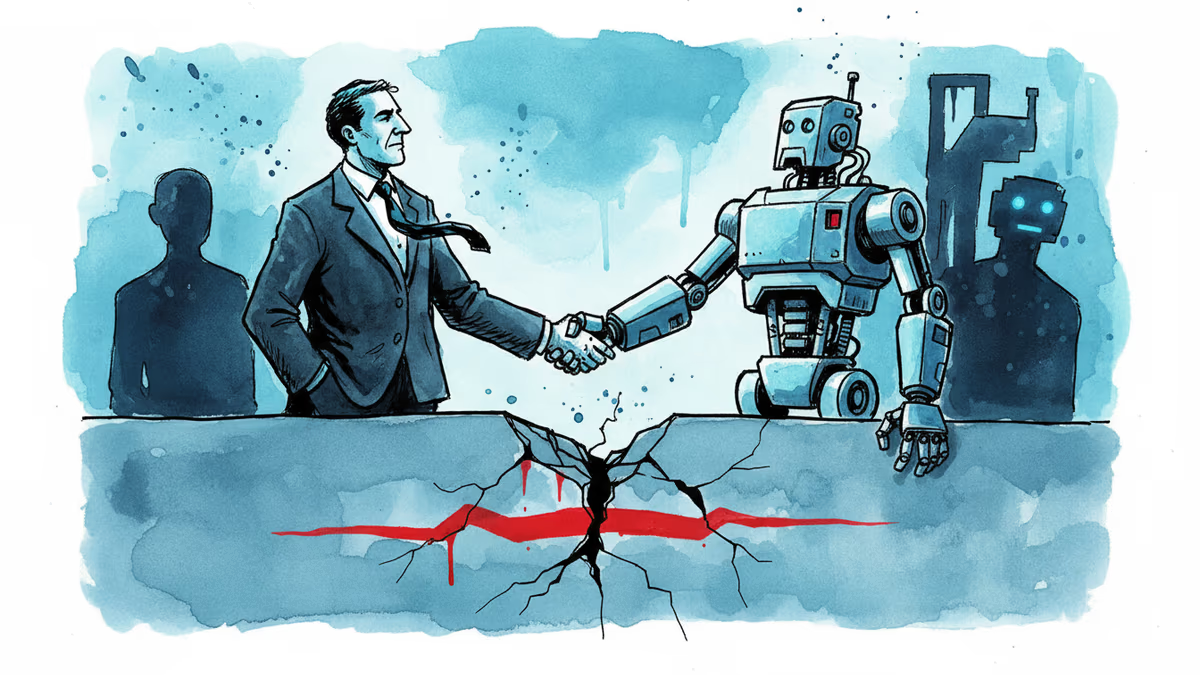
After two months of bitter conflict, Anthropic and the Trump administration may be thawing—thanks to a new cybersecurity AI model. What does it mean when principle meets political pressure?

OpenAI has shelved its erotic ChatGPT feature indefinitely. The real story isn't about adult content—it's about who gets to decide what AI will and won't do.
Palantir has become the tech backbone of Trump's immigration enforcement. Former employees are calling it a 'descent into fascism.' What happens when the people who build surveillance tools start asking uncomfortable questions?
The US defense budget request for FY2027 includes $53.6 billion for drone and autonomous warfare—more than most nations spend on their entire military. What does this mean for global security and the future of war?
After two months of bitter conflict, Anthropic and the Trump administration may be thawing—thanks to a new cybersecurity AI model. What does it mean when principle meets political pressure?
OpenAI has shelved its erotic ChatGPT feature indefinitely. The real story isn't about adult content—it's about who gets to decide what AI will and won't do.
Thoughts
Share your thoughts on this article
Sign in to join the conversation