
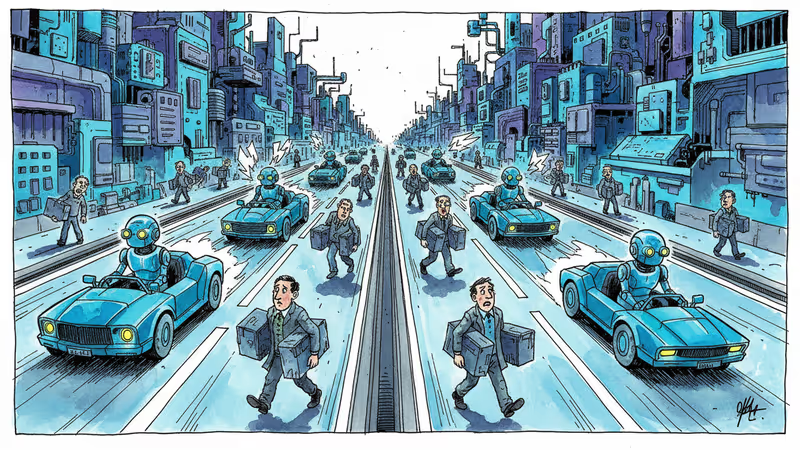
The Internet Is Becoming a Bot-Dominated World
AI bots now account for significant web traffic, fundamentally changing how the internet functions. An arms race unfolds as bots deploy sophisticated tactics to bypass website defenses.
The viral virtual assistant OpenClaw—previously Moltbot, and before that Clawdbot—isn't just another AI tool. It's a harbinger of something bigger: the internet as we know it is transforming from a human-dominated space into a realm where autonomous AI bots are the primary inhabitants.
The Numbers Don't Lie
A new report measuring bot activity across the web, combined with data from internet infrastructure company Akamai, reveals a striking reality: AI bots already account for a meaningful share of web traffic. This isn't some distant future scenario—it's happening now.
"The majority of the Internet is going to be bot traffic in the future," says Toshit Pangrahi, cofounder and CEO of TollBit, the company behind the report. "It's not just a copyright problem, there is a new visitor emerging on the Internet."
The Great Bot Arms Race
But here's where it gets interesting. The report also reveals an increasingly sophisticated arms race between bots and websites. As sites deploy defenses to keep bots out, the bots are getting cleverer at bypassing those barriers.
It's like a digital game of cat and mouse, but with higher stakes. Bots are learning to mimic human behavior patterns, randomize their requests, and even solve basic CAPTCHAs. Meanwhile, websites are developing more sophisticated detection systems, analyzing everything from mouse movements to typing patterns.

What This Means for Real Users
For the average internet user, this shift has immediate implications. When bots flood a website, it can slow down loading times for human visitors. Server costs increase, which often gets passed down to consumers through higher prices or more aggressive advertising.
Content creators face a particular challenge. If most of their "traffic" comes from bots scraping their work for AI training, traditional revenue models based on human engagement start to break down. The creator economy might need a complete rethink.
The Regulatory Response
Governments are starting to pay attention. The EU is considering new regulations around AI data collection, while the US grapples with questions about fair use and copyright in the age of AI training. But regulation moves slowly, and technology moves fast.
The challenge isn't just legal—it's philosophical. Who owns the internet? If bots are doing most of the "visiting," what rights do they have? What responsibilities come with deploying them at scale?
A New Digital Ecosystem
This transformation represents more than just increased bot traffic. We're witnessing the emergence of a new digital ecosystem where AI agents interact with each other, negotiate resources, and compete for access to information.
Some experts compare it to the early days of the internet itself—a period of rapid change where new rules and norms had to be established. The difference is that this time, many of the new "citizens" of the internet aren't human.
Authors
Related Articles
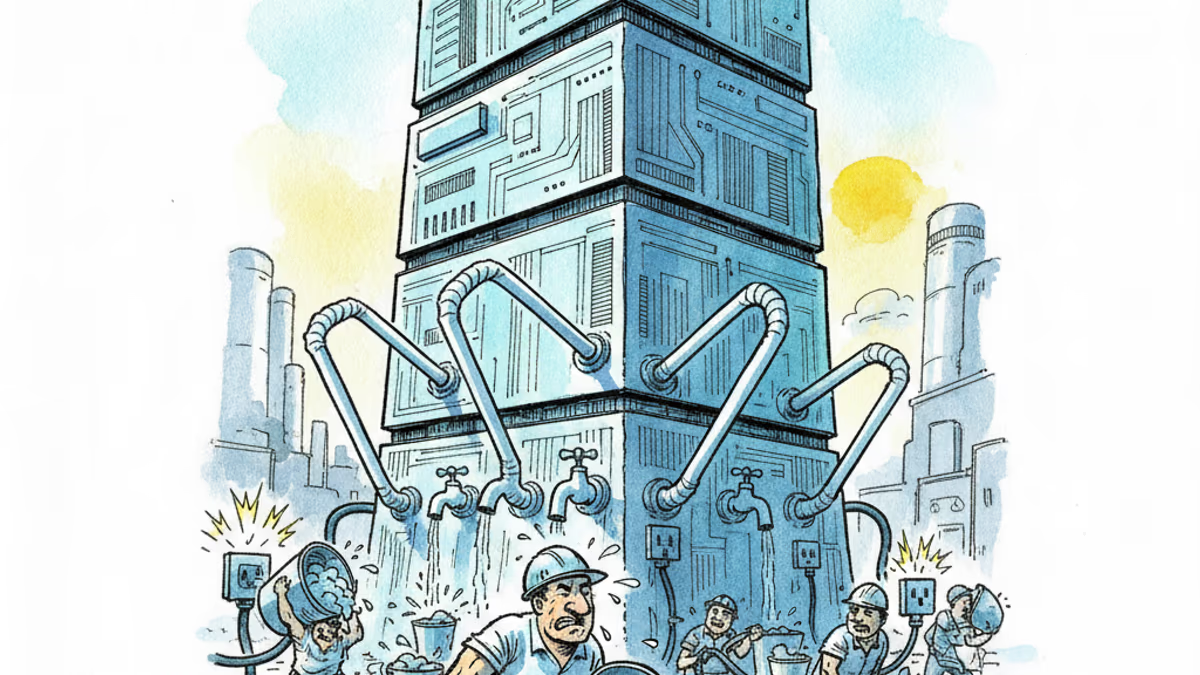
Samsung and SK unveiled a chip and AI investment package worth thousands of trillions of won on June 29. The headline number swings wildly by outlet, but the real contest isn't capital — it's water and power.
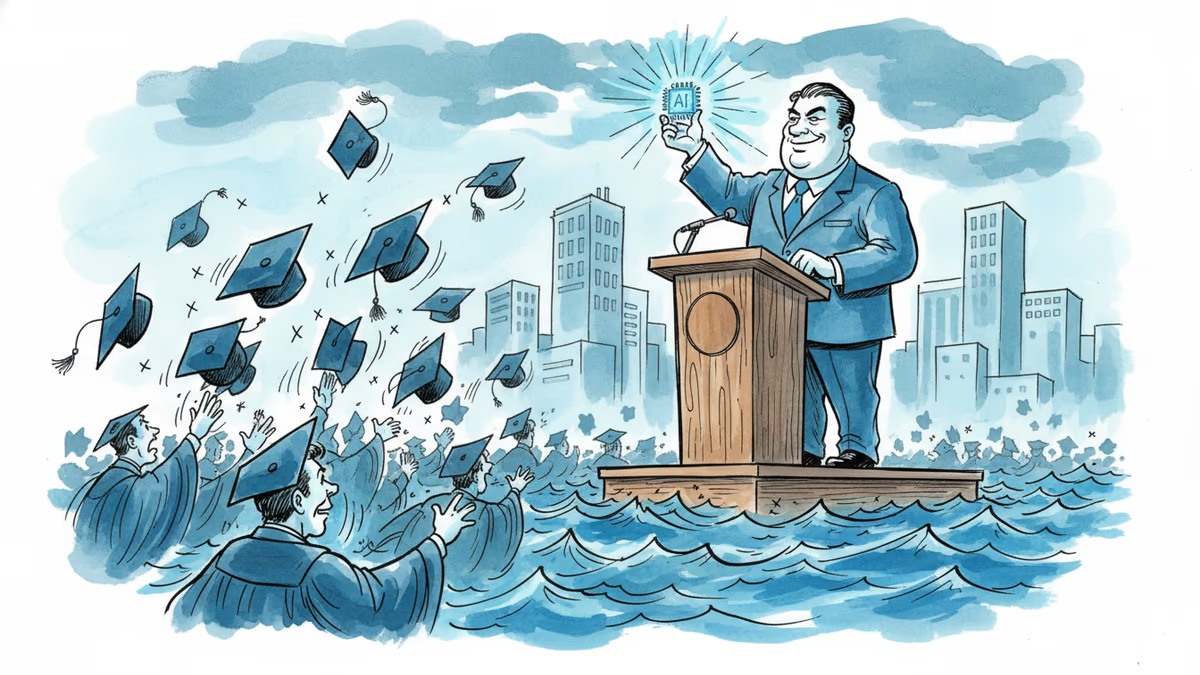
Viral videos show 2026 graduates jeering executives who praise AI at commencement ceremonies. It's not just rudeness — it's a signal about who pays for technological optimism.
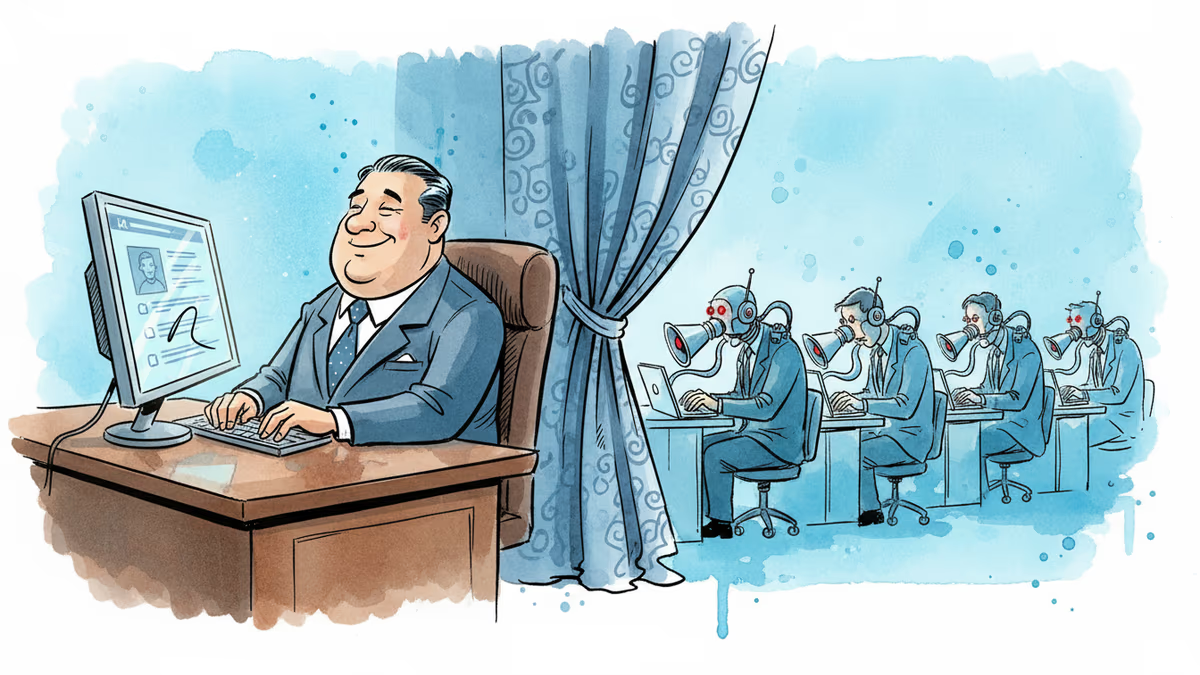
Filipino virtual assistants using AI to ghost-manage LinkedIn profiles for executives is now a structured industry. 30 comments a day, fake engagement rings, and a platform struggling to tell real from fabricated.
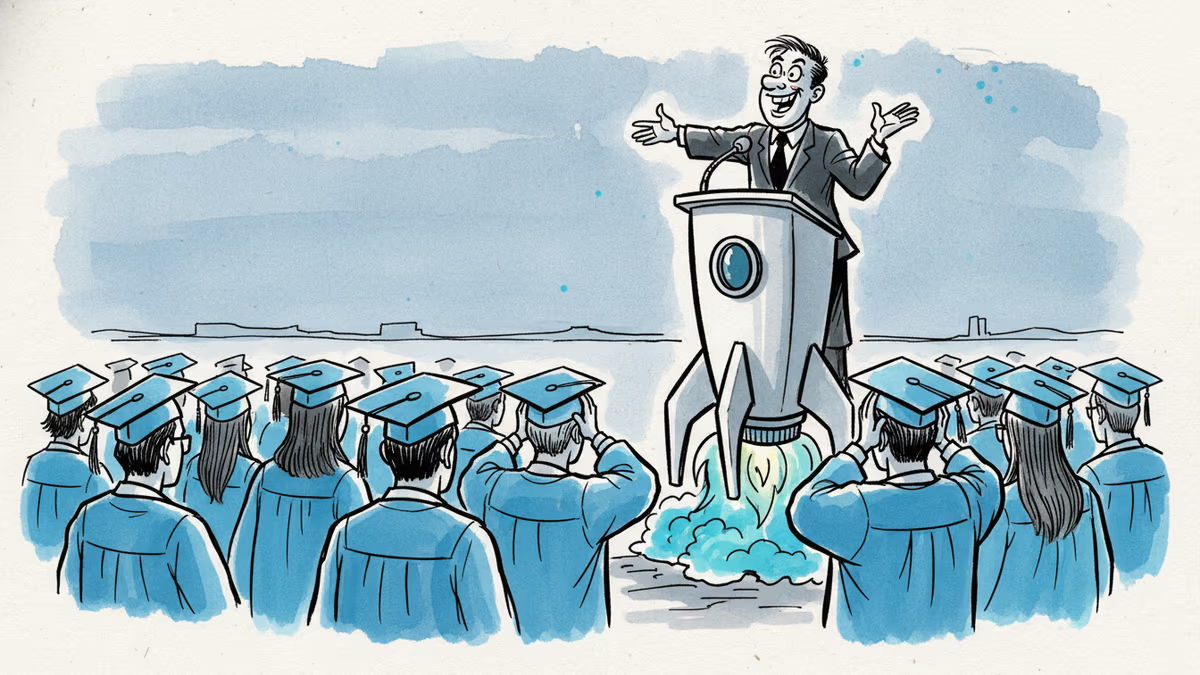
Two commencement speakers learned the hard way that AI enthusiasm doesn't land well with today's graduates. The backlash reveals a widening gap between tech optimism and Gen Z's economic reality.
Samsung and SK unveiled a chip and AI investment package worth thousands of trillions of won on June 29. The headline number swings wildly by outlet, but the real contest isn't capital — it's water and power.
Viral videos show 2026 graduates jeering executives who praise AI at commencement ceremonies. It's not just rudeness — it's a signal about who pays for technological optimism.
Filipino virtual assistants using AI to ghost-manage LinkedIn profiles for executives is now a structured industry. 30 comments a day, fake engagement rings, and a platform struggling to tell real from fabricated.
Two commencement speakers learned the hard way that AI enthusiasm doesn't land well with today's graduates. The backlash reveals a widening gap between tech optimism and Gen Z's economic reality.
Thoughts
Share your thoughts on this article
Sign in to join the conversation