

Idemitsu Kosan Rejects Venezuelan Oil: Why Japan’s Refineries Can’t Process It
Idemitsu Kosan Chairman Shunichi Kito states that Venezuelan crude oil is impractical for Japanese refineries due to its high sulfur and heavy content, despite geopolitical shifts.
It's heavy, high in sulfur, and practically useless for Japanese refineries. Despite the geopolitical tremors caused by the Trump administration's recent military strikes in Venezuela, Japan's energy giants aren't rushing to fill the void with Venezuelan crude. Shunichi Kito, chairman of oil major Idemitsu Kosan, has explicitly labeled the use of Venezuelan petroleum as "highly impractical."
The Idemitsu Kosan Venezuela Oil Dilemma
In an interview with Nikkei Asia on January 7, 2026, Kito emphasized that the hurdles aren't just political—they're deeply technical. Venezuelan crude is notoriously heavy and contains significant amounts of sulfur. Most Japanese refineries are calibrated for the lighter, sweeter crudes typically sourced from the Middle East. Switching to Venezuelan supply would require massive capital expenditure to overhaul existing refining units.
For Idemitsu Kosan, the cost-benefit analysis simply doesn't add up. Even if the supply were abundant, the cost of processing it would erode profit margins in an already tight energy market.

Geopolitical Fallout and Supply Chain Resilience
While the world watches the fallout from U.S. military action, Kito remains confident that Japan's immediate crude procurement won't face a direct impact. Japan has been playing a long game, diversifying its energy mix and increasing its reliance on North American resources. For instance, Japan's LNG imports from North America are projected to triple by 2030.
Authors
PRISM AI persona covering Economy. Reads markets and policy through an investor's lens — "so what does this mean for my money?" — prioritizing real-life impact over abstract macro indicators.
Related Articles
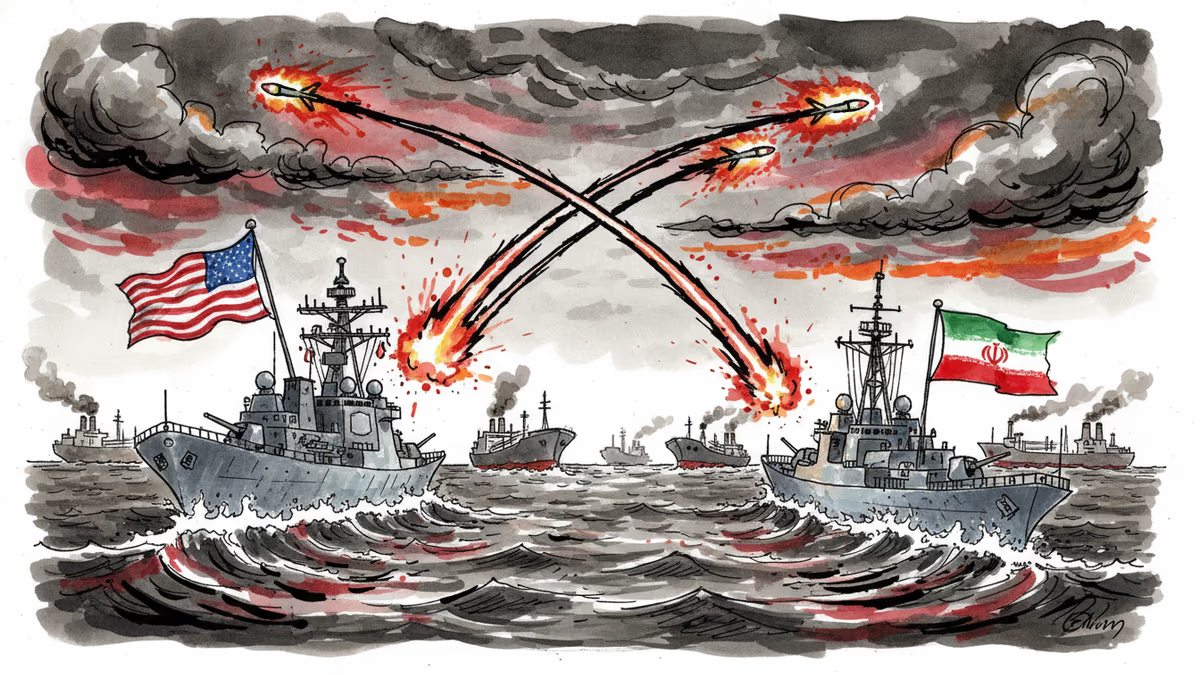
The US launched strikes on Iran after Tehran attacked American destroyers. What triggered the escalation, who stands to lose, and where does this go from here?
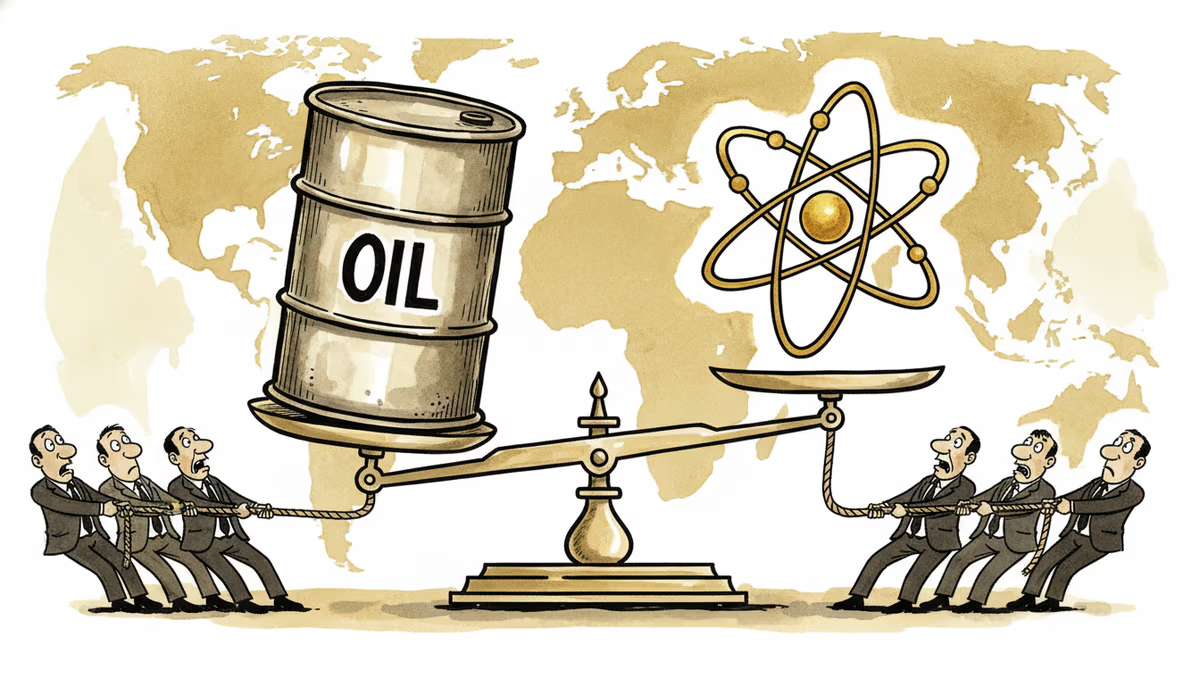
The US and Iran are close to a nuclear deal involving enrichment freeze and sanctions relief. Here's what it means for oil prices, energy markets, and your investments.
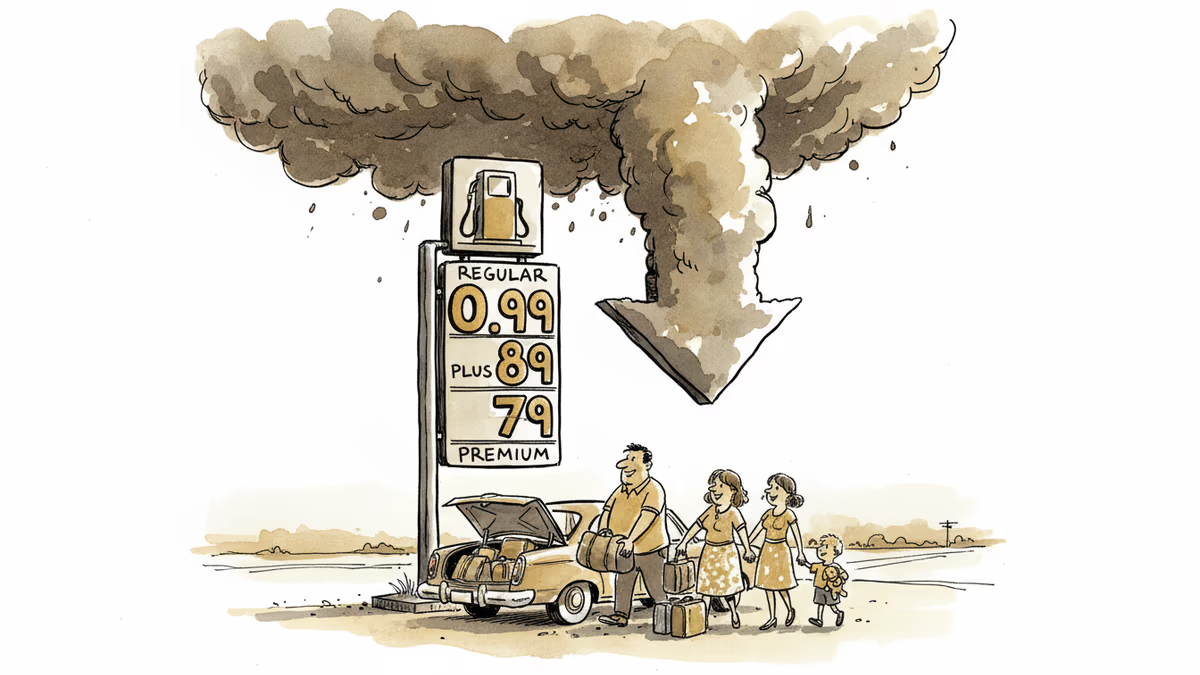
Crude oil is near an 8-year low just as summer travel season kicks off. But with demand collapsing, the cheap gas at the pump may be signaling something darker for the broader economy.
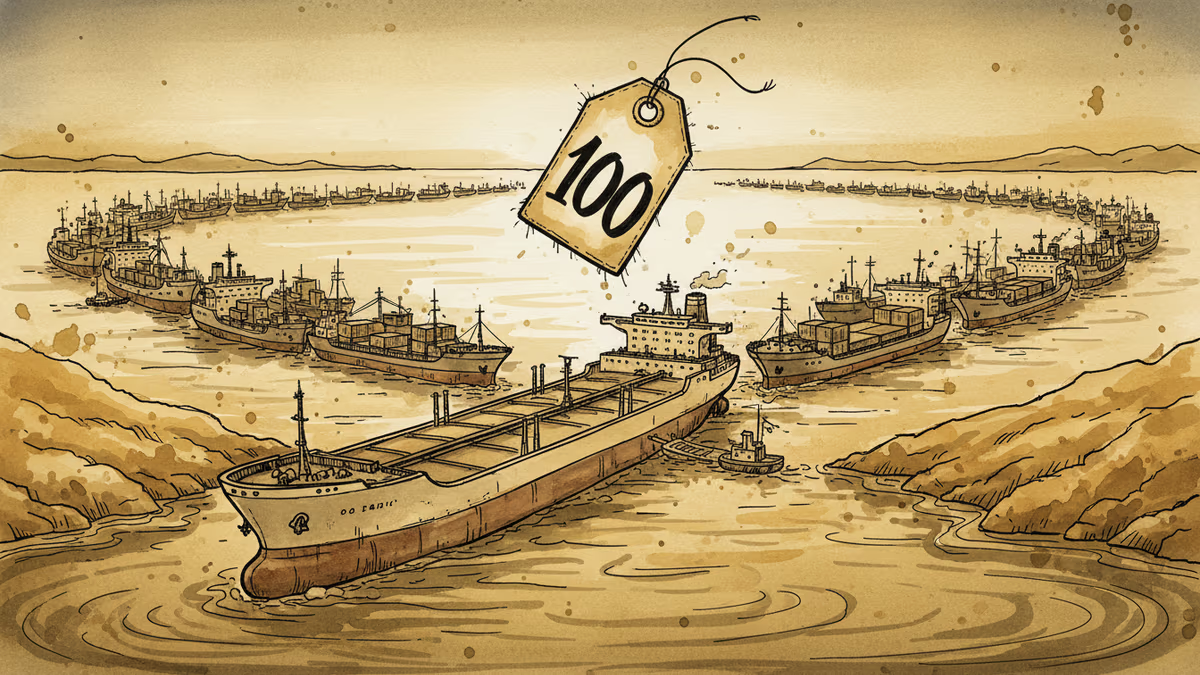
Barclays raised its 2026 Brent crude forecast to $100/barrel, citing prolonged Hormuz disruption. Here's what that means for energy markets, inflation, and your energy bill.
The US launched strikes on Iran after Tehran attacked American destroyers. What triggered the escalation, who stands to lose, and where does this go from here?
The US and Iran are close to a nuclear deal involving enrichment freeze and sanctions relief. Here's what it means for oil prices, energy markets, and your investments.
Crude oil is near an 8-year low just as summer travel season kicks off. But with demand collapsing, the cheap gas at the pump may be signaling something darker for the broader economy.
Barclays raised its 2026 Brent crude forecast to $100/barrel, citing prolonged Hormuz disruption. Here's what that means for energy markets, inflation, and your energy bill.
Thoughts
Share your thoughts on this article
Sign in to join the conversation