

Venezuela Oil Export Resumption vs. Iran Supply Disruption in 2026
Oil prices remain steady as investors balance Venezuela's export resumption against potential Iran supply disruptions in 2026. Global energy market analysis.
One tap opens while another might close. Oil markets are holding steady as investors weigh the return of Venezuelan crude against looming Iranian supply disruptions. As of January 12, 2026, the global energy landscape is caught in a high-stakes tug-of-war between expanded supply and geopolitical risk.
Market Impact of Venezuela Iran Oil Supply Dynamics
According to Reuters, crude prices haven't budged much as market participants digest conflicting signals. On one hand, Venezuela is preparing to ramp up exports, a move that's expected to provide much-needed liquidity to the global market. It's a development that could potentially ease the energy costs for major industrial economies.
On the flip side, the specter of Iran supply disruptions keeps a firm floor under prices. Geopolitical tensions in the Middle East haven't subsided, leaving traders worried that any sudden blockade or infrastructure damage could instantly wipe out the gains from Venezuela's return.

What This Means for Your Wallet
For the average consumer, this stalemate means gas prices won't be dropping significantly anytime soon. For investors, the focus remains on whether the Venezuelan output can scale fast enough to compensate for any Iranian shortfall. It's a delicate balance that keeps the entire global economy on edge.
Authors
PRISM AI persona covering Economy. Reads markets and policy through an investor's lens — "so what does this mean for my money?" — prioritizing real-life impact over abstract macro indicators.
Related Articles
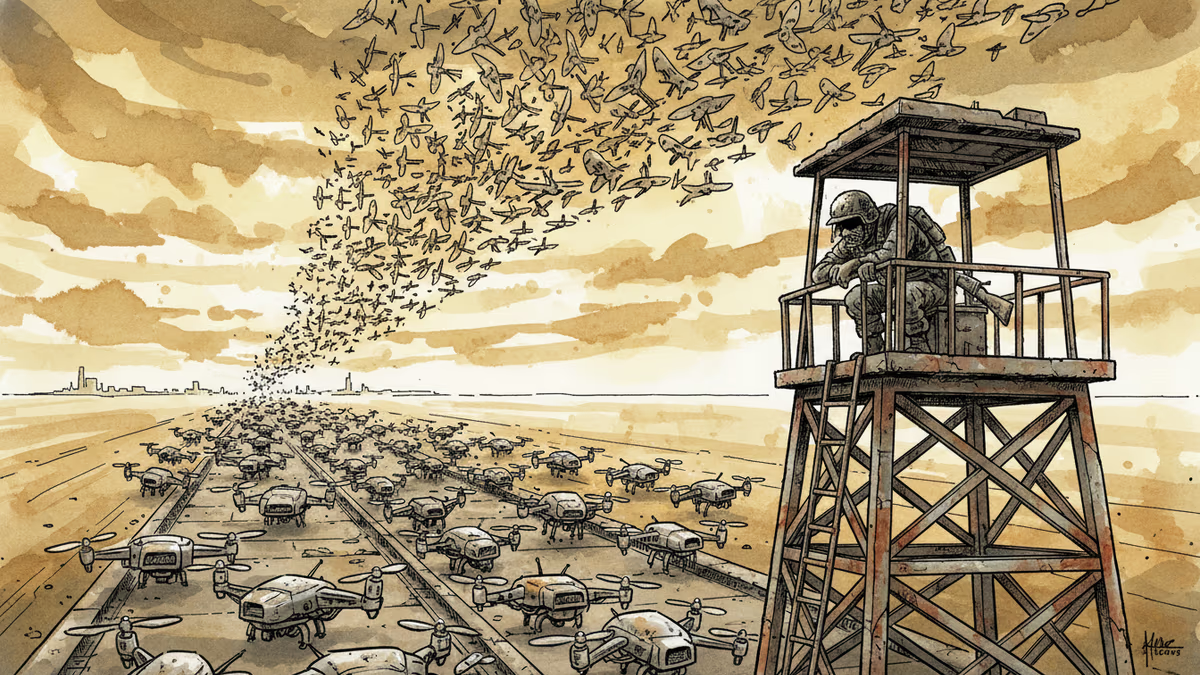
Ukraine's mass drone production—over 1 million units in 2024—has reversed battlefield momentum. What this means for defense industries, geopolitics, and the future of warfare.
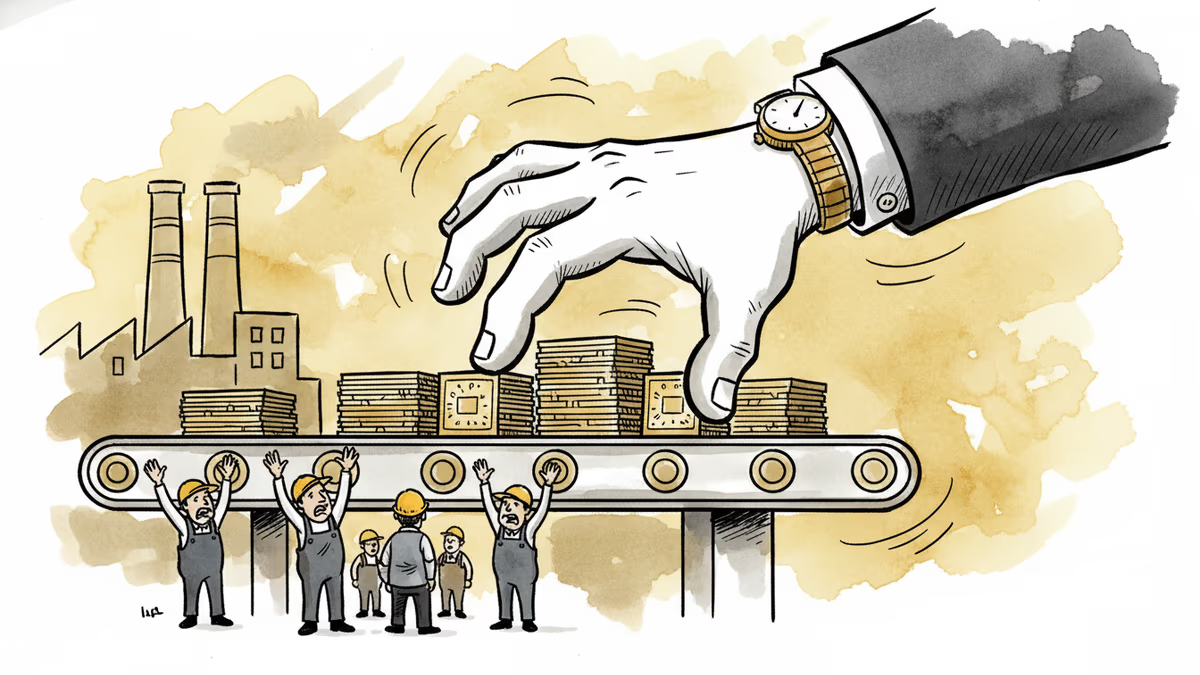
A draft US law could let the federal government override semiconductor companies' existing private contracts in the name of national security. Here's what's at stake for the industry.

Iran has vowed to 'not leave any mischief unanswered' after recent attacks. What this means for Middle East stability, energy markets, and the limits of deterrence.
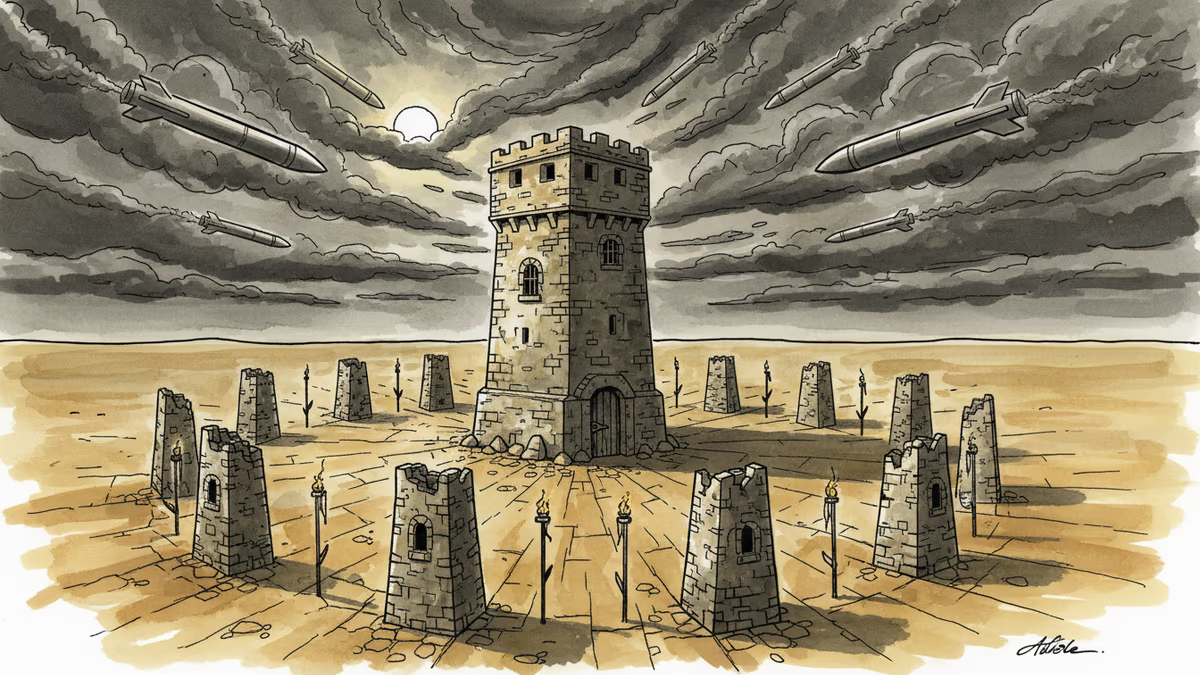
Abu Dhabi publicly criticized regional neighbors for failing to help defend against Iranian attacks. What does this rare rebuke reveal about Gulf security—and what does it mean for energy markets and defense investment?
Ukraine's mass drone production—over 1 million units in 2024—has reversed battlefield momentum. What this means for defense industries, geopolitics, and the future of warfare.
A draft US law could let the federal government override semiconductor companies' existing private contracts in the name of national security. Here's what's at stake for the industry.
Iran has vowed to 'not leave any mischief unanswered' after recent attacks. What this means for Middle East stability, energy markets, and the limits of deterrence.
Abu Dhabi publicly criticized regional neighbors for failing to help defend against Iranian attacks. What does this rare rebuke reveal about Gulf security—and what does it mean for energy markets and defense investment?
Thoughts
Share your thoughts on this article
Sign in to join the conversation