

Google Fast Pair WhisperPair Vulnerability: 17 Devices Risk High-Speed Hijacking
Researchers discover WhisperPair, a vulnerability in Google Fast Pair affecting 17 devices from brands like Sony and JBL, allowing 15-second audio hijacking and tracking.
In less than 15 seconds, a stranger could be listening through your earbuds. Researchers at KU Leuven University have uncovered a collection of vulnerabilities dubbed 'WhisperPair' in Google's Fast Pair protocol, potentially exposing hundreds of millions of users to stalking and eavesdropping.
How WhisperPair Hijacks Your Audio
The vulnerability affects 17 devices from 10 major brands, including Sony, JBL, Logitech, and Google itself. By exploiting flaws in the Bluetooth pairing process, attackers within a 50-foot range can silently connect to a device even if it's already paired with a smartphone. This allows hackers to inject audio, take over phone conversations, or turn on the microphone to monitor the victim’s surroundings.

The Challenge of Patching Peripheral Hardware
According to WIRED, Google has released security updates and notified vendors. However, many users don't use the required manufacturer apps to update their headphone firmware. Furthermore, researchers told WIRED they have already found a bypass for Google's latest patch, suggesting the problem may persist for months.
Authors
Related Articles

UK Visa Portal, a private immigration service mistaken for an official government site, has been exposing passport scans and selfies of over 100,000 applicants. The breach remains unpatched.
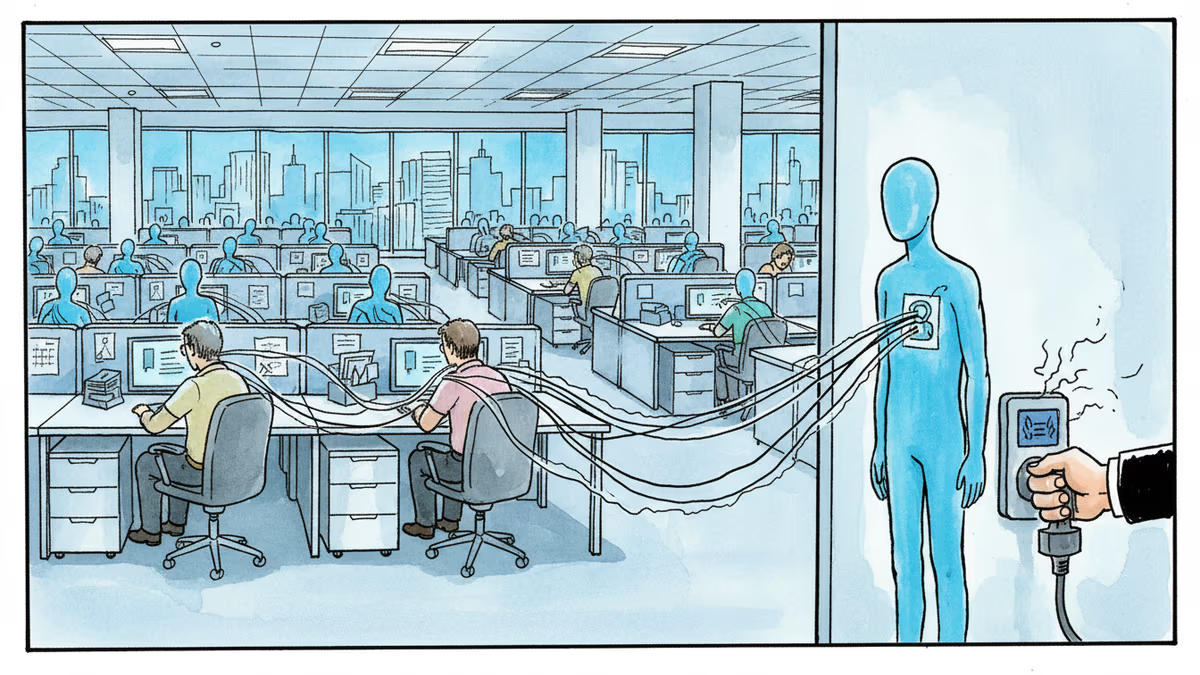
Okta CEO Todd McKinnon on why AI agents need identity management, the SaaSpocalypse threat, and why the kill switch might be the most important button in enterprise tech.
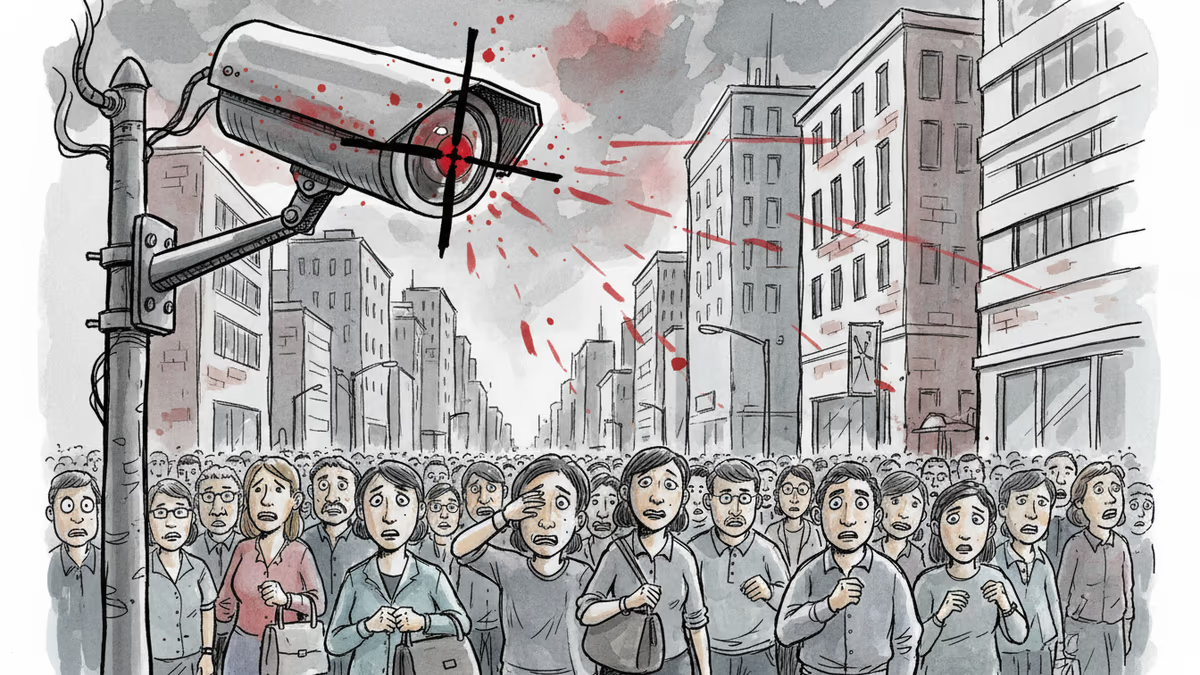
Iran and Israel are hacking civilian security cameras for military reconnaissance. How consumer surveillance devices became weapons of war.
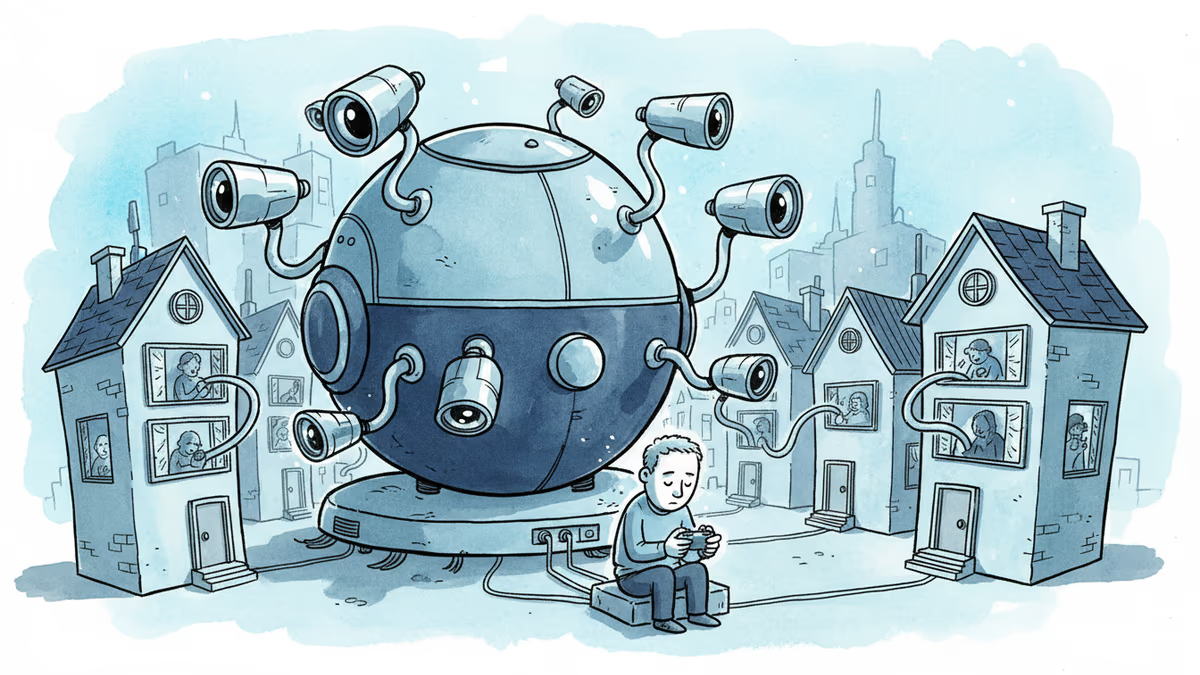
A security researcher discovered he could access 7,000 DJI robot vacuums and peek into strangers' homes. This Valentine's Day revelation exposes the hidden privacy risks of our smart home obsession.
UK Visa Portal, a private immigration service mistaken for an official government site, has been exposing passport scans and selfies of over 100,000 applicants. The breach remains unpatched.
Okta CEO Todd McKinnon on why AI agents need identity management, the SaaSpocalypse threat, and why the kill switch might be the most important button in enterprise tech.
Iran and Israel are hacking civilian security cameras for military reconnaissance. How consumer surveillance devices became weapons of war.
A security researcher discovered he could access 7,000 DJI robot vacuums and peek into strangers' homes. This Valentine's Day revelation exposes the hidden privacy risks of our smart home obsession.
Thoughts
Share your thoughts on this article
Sign in to join the conversation