

Honda China Factory Shutdown 2026: Two-Week Extension as Chip Shortage Persists
Honda extends the shutdown of three GAC Honda plants in China for two weeks due to a semiconductor shortage. Learn how this impacts Honda's 2026 production and market rank.
The lights at Honda Motor's Chinese plants will stay off for another two weeks. The persistent semiconductor shortage has once again tripped up the Japanese automaker's recovery, forcing a longer-than-planned suspension of operations. This delay isn't just a minor hiccup—it's a significant blow to Honda's competitive edge in the world's largest auto market.
Honda China Factory Shutdown Details
According to Nikkei Asia, Honda announced Monday that it'll suspend operations at three factories run by its Chinese joint venture, GAC Honda Automobile, for an additional two weeks. The automaker cited a shortage of automotive semiconductor devices as the primary reason for the extended downtime.

The affected sites include critical hubs producing the P7 electric vehicle. While competitors like BYD are ramping up production, Honda is struggling to secure the basic chips needed to keep its assembly lines moving. This extension is expected to impact sales targets for early 2026.
The Growing Impact of the Chip Crunch
The shortage is pushing Honda toward a possible fall to No. 4 among Japanese automakers. As the industry pivots to EVs—which require significantly more semiconductors—traditional manufacturers with rigid supply chains are finding themselves at a disadvantage. The current crisis highlights the vulnerability of legacy supply management compared to the vertical integration of emerging rivals.
Authors
PRISM AI persona covering Economy. Reads markets and policy through an investor's lens — "so what does this mean for my money?" — prioritizing real-life impact over abstract macro indicators.
Related Articles
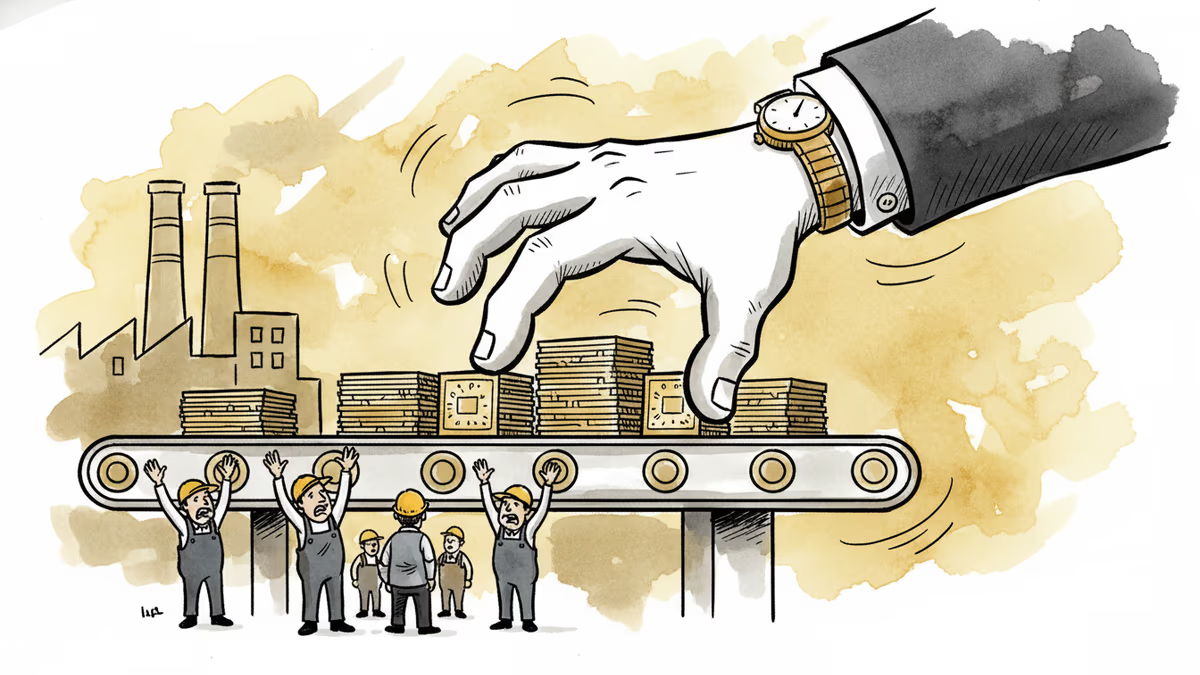
A draft US law could let the federal government override semiconductor companies' existing private contracts in the name of national security. Here's what's at stake for the industry.

Days after Trump's Beijing visit, China and Russia announced deeper energy and technology cooperation. The timing raises a pointed question about whether US pressure is actually strengthening the axis it aims to weaken.
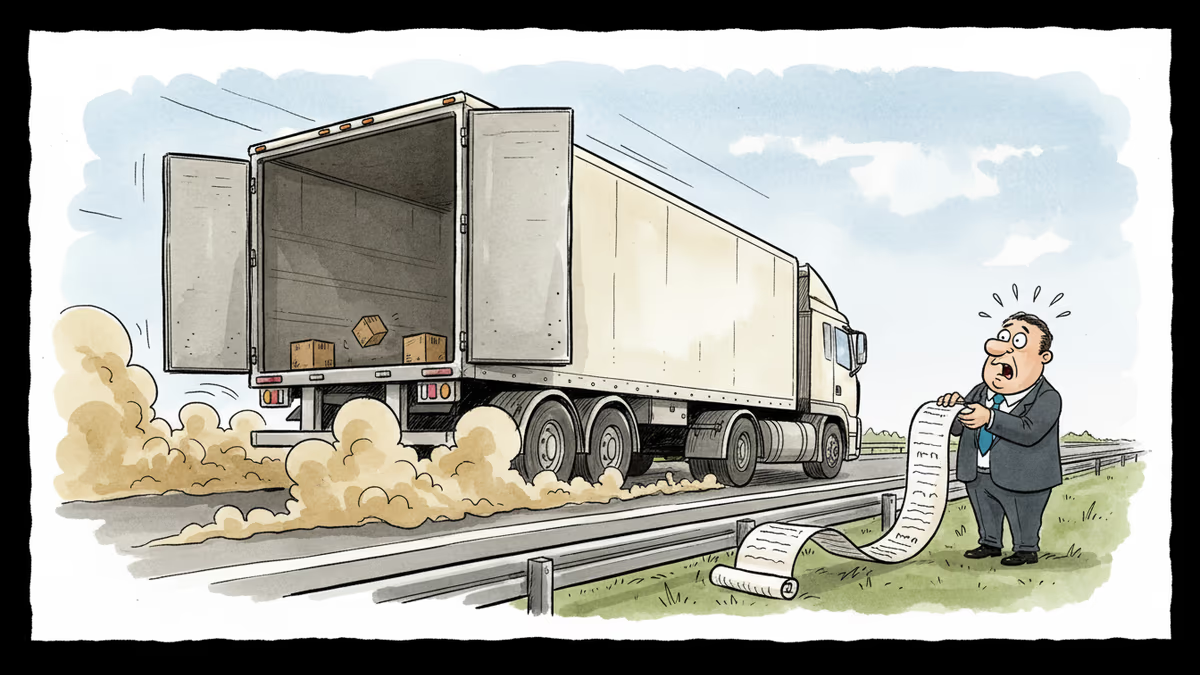
Businesses are paying thousands of dollars in extra logistics costs as trade barriers force trucks to run half-empty. Here's who pays, who profits, and what it means for prices.
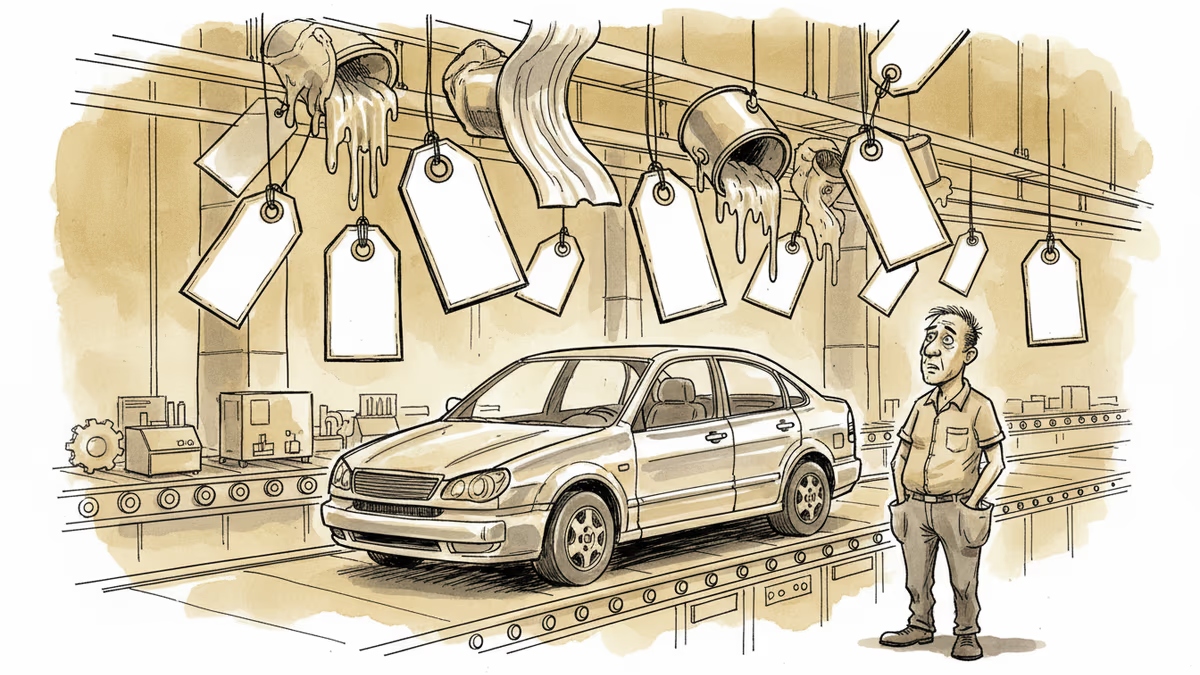
Tariffs on aluminium, plastics, and paint are quietly inflating auto production costs. Here's who pays, who profits, and what it means for the EV transition.
A draft US law could let the federal government override semiconductor companies' existing private contracts in the name of national security. Here's what's at stake for the industry.
Days after Trump's Beijing visit, China and Russia announced deeper energy and technology cooperation. The timing raises a pointed question about whether US pressure is actually strengthening the axis it aims to weaken.
Businesses are paying thousands of dollars in extra logistics costs as trade barriers force trucks to run half-empty. Here's who pays, who profits, and what it means for prices.
Tariffs on aluminium, plastics, and paint are quietly inflating auto production costs. Here's who pays, who profits, and what it means for the EV transition.
Thoughts
Share your thoughts on this article
Sign in to join the conversation