

Your Next Short is AI-Generated: Google Veo 3.1 Vertical Video Update
On Jan 13, 2026, Google updated Veo 3.1 to support native vertical video generation (9:16) and 4K upscaling. Learn how AI is transforming YouTube Shorts and TikTok content.
Is your next viral Short AI-generated? According to reports from TechCrunch, Google just dropped a major update for its Veo 3.1 video generation model on January 13, 2026. The update focuses on natively creating vertical content and leveraging reference images to bring static visuals to life with stunning realism.
Google Veo 3.1 Vertical Video Update for Creators
The latest version of Veo 3.1 now allows users to generate native 9:16 vertical videos directly, eliminating the need for awkward cropping. This feature is integrated natively into YouTube Shorts and the YouTube Create app, making it a powerful tool for creators on Instagram and TikTok. By using reference images, the model can now produce more expressive character movements and dynamic environments than ever before.

High-Resolution Output and Professional Integration
Since its initial release in October 2025, Google has refined the model's ability to maintain consistency across characters and backgrounds. For those seeking professional quality, the update brings an improved upscaling feature, supporting resolutions up to 1080p and 4K. These advanced features are accessible through Vertex AI and the Gemini API, bridging the gap between casual creation and professional production.
Authors
Related Articles

Google's Gmail Live lets you ask your inbox questions out loud. Announced at I/O 2026, it's AI's pitch to skeptics — and a reminder of how much Google already knows about you.
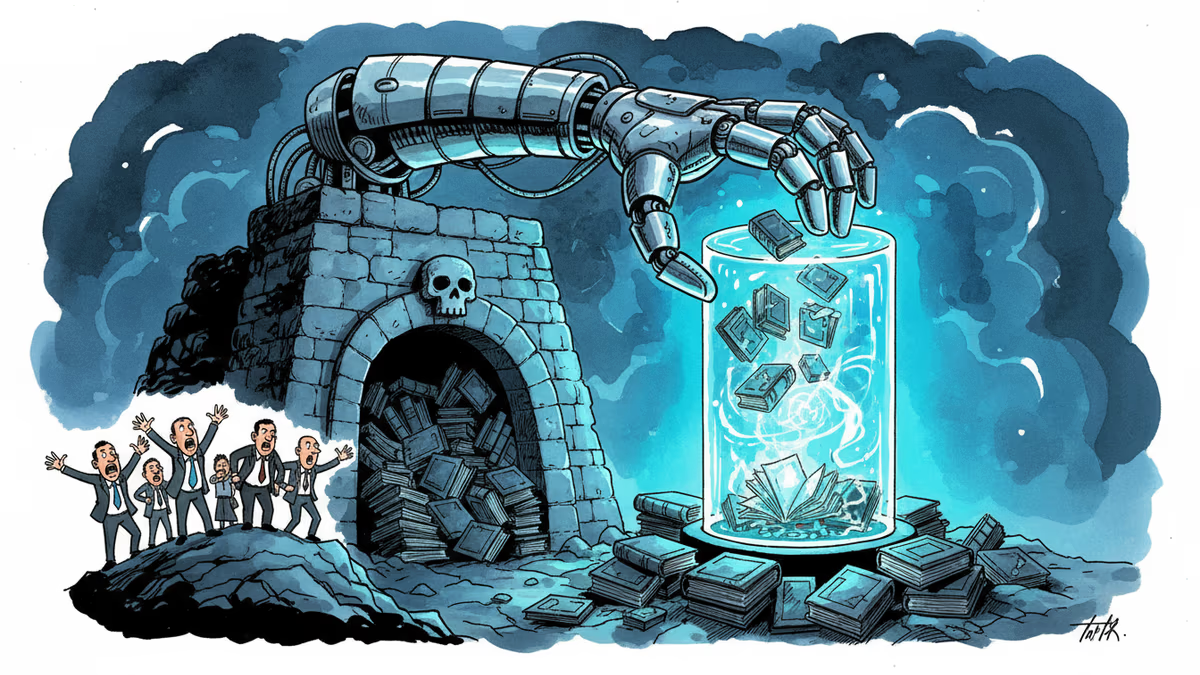
Five major publishers and author Scott Turow have filed a class action lawsuit against Meta, alleging the company used illegal pirate sites like LibGen to train its Llama AI models without permission.

Two ex-Apple engineers built an AI puck that only listens when you press it. At $179, Button is a deliberate bet that dedicated AI hardware beats the Swiss Army knife approach of smartphones.
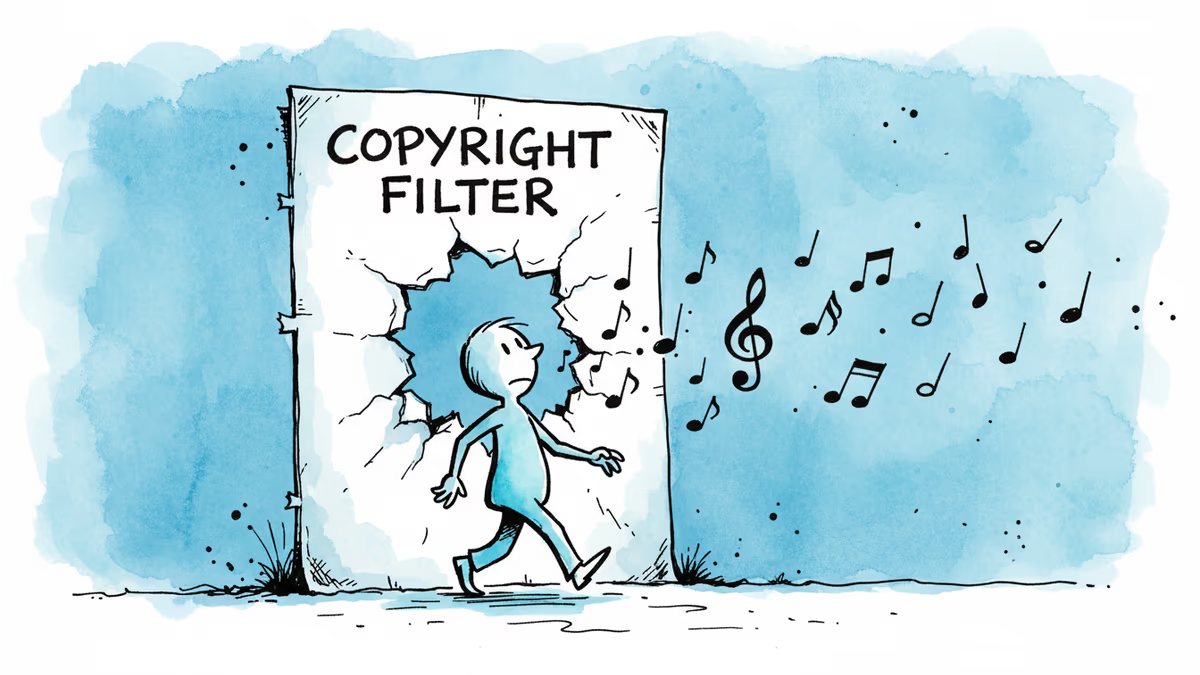
Suno's AI music platform claims to block copyrighted content, but researchers found its filters can be bypassed with minimal effort and free tools, generating near-identical imitations of Beyoncé, Black Sabbath, and more.
Google's Gmail Live lets you ask your inbox questions out loud. Announced at I/O 2026, it's AI's pitch to skeptics — and a reminder of how much Google already knows about you.
Five major publishers and author Scott Turow have filed a class action lawsuit against Meta, alleging the company used illegal pirate sites like LibGen to train its Llama AI models without permission.
Two ex-Apple engineers built an AI puck that only listens when you press it. At $179, Button is a deliberate bet that dedicated AI hardware beats the Swiss Army knife approach of smartphones.
Suno's AI music platform claims to block copyrighted content, but researchers found its filters can be bypassed with minimal effort and free tools, generating near-identical imitations of Beyoncé, Black Sabbath, and more.
Thoughts
Share your thoughts on this article
Sign in to join the conversation