
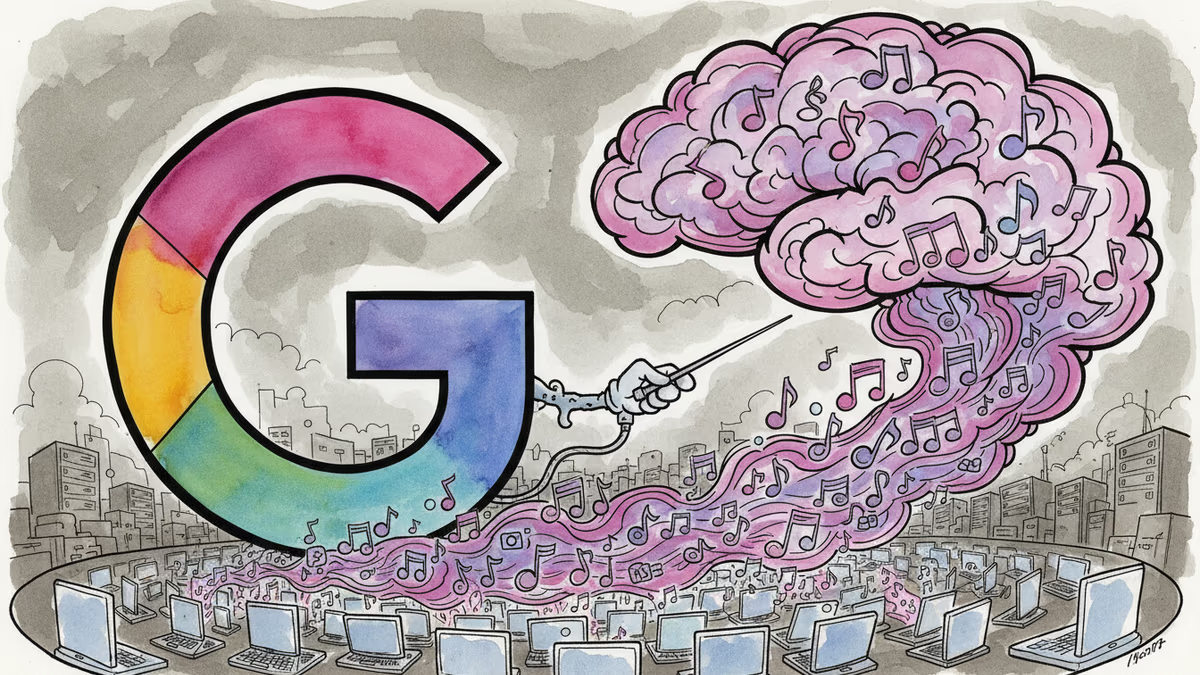
Google Just Started Making Music
Google adds music generation to Gemini app using Lyria 3 model. Create 30-second tracks with lyrics and cover art from text prompts. What this means for the music industry.
30 Seconds From Prompt to Hit Song
Type "comical R&B slow jam about a sock finding its match" and 30 seconds later, you've got a complete track. Lyrics included. Cover art too. This isn't science fiction—it's Google's latest Gemini app feature, announced Wednesday.
Powered by DeepMind'sLyria 3 model, the beta feature is now available to users 18+ globally across 8 languages. Upload a photo or video, and the AI will craft music to match the mood. It's not just text-to-music anymore—it's visual-to-audio translation.
The company promises more realistic and complex tracks than previous generations, with user control over style, vocals, and tempo. But here's where it gets interesting.
The Artist Dilemma: Inspiration or Imitation?
Google insists this isn't about "mimicking existing artists." When you mention a specific musician in your prompt, Gemini supposedly draws "broad creative inspiration" for similar style or mood. The company has filters to check outputs against existing content.
But where exactly is the line between inspiration and imitation? Every human musician learns by listening to others. Now AI does the same, just infinitely faster and with access to virtually every song ever recorded.

The feature extends to YouTube'sDream Track, previously US-only for creators. Now it's global. Millions more creators can generate AI music in minutes.
Industry's Split Personality
Here's the paradox: YouTube and Spotify are signing deals with music labels to monetize AI-generated tracks. Simultaneously, those same labels are suing AI companies over copyright violations in training data.
Deezer creates tools to flag AI music as fraudulent streams. Google embeds SynthID watermarks in all Lyria 3 tracks and adds AI detection capabilities to Gemini itself. Everyone's playing defense and offense simultaneously.
The music industry wants AI's benefits without its disruption. Good luck with that.
The Creator Economy Shift
For independent musicians, this could be liberation or extinction. A bedroom producer in Ohio now has the same music generation capabilities as a major label. The democratization argument is compelling.
But if anyone can create professional-sounding music in 30 seconds, what happens to the value of musical skill? We're not just talking about replacing session musicians—we're questioning the entire concept of musical authorship.
Authors
Related Articles
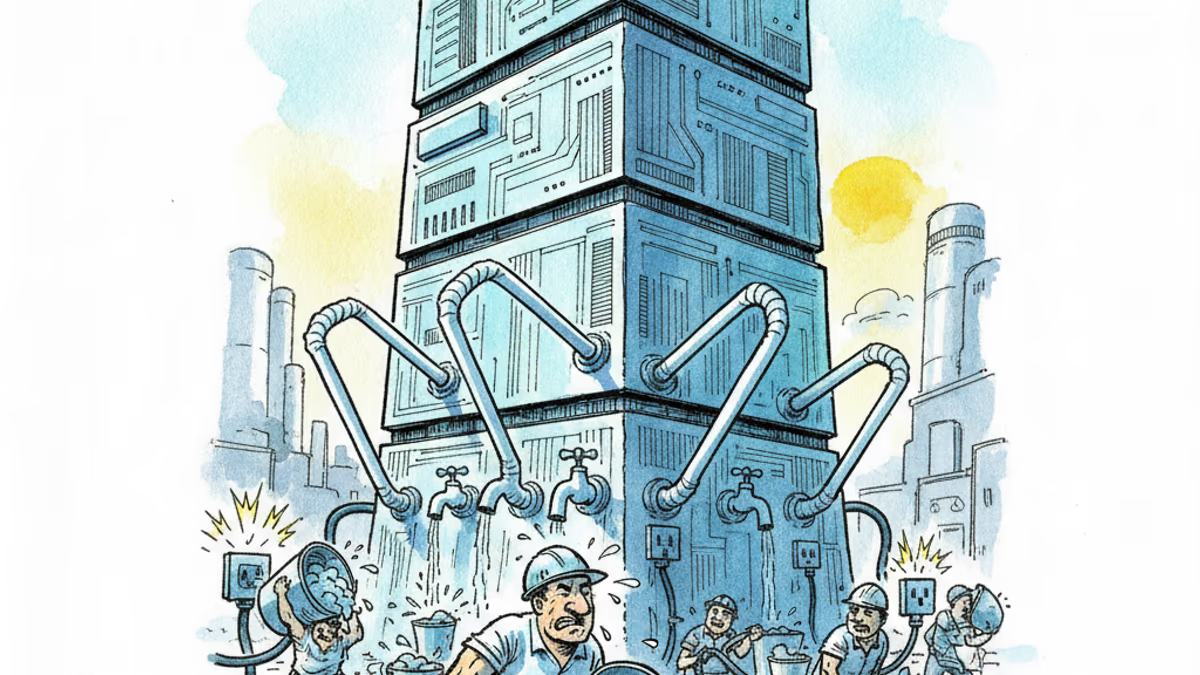
Samsung and SK unveiled a chip and AI investment package worth thousands of trillions of won on June 29. The headline number swings wildly by outlet, but the real contest isn't capital — it's water and power.
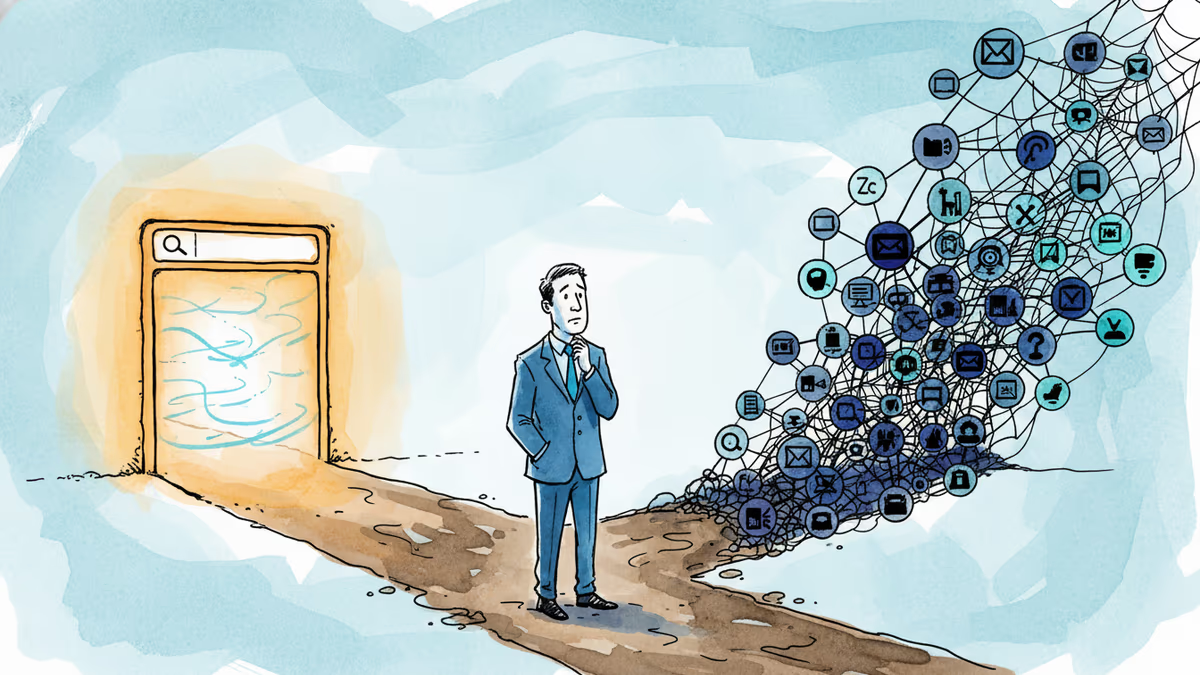
In a post-Google I/O interview, Sundar Pichai acknowledged flawed search results, real AI anxiety, and an AGI timeline that makes the label irrelevant. Here's what he said — and what it means.
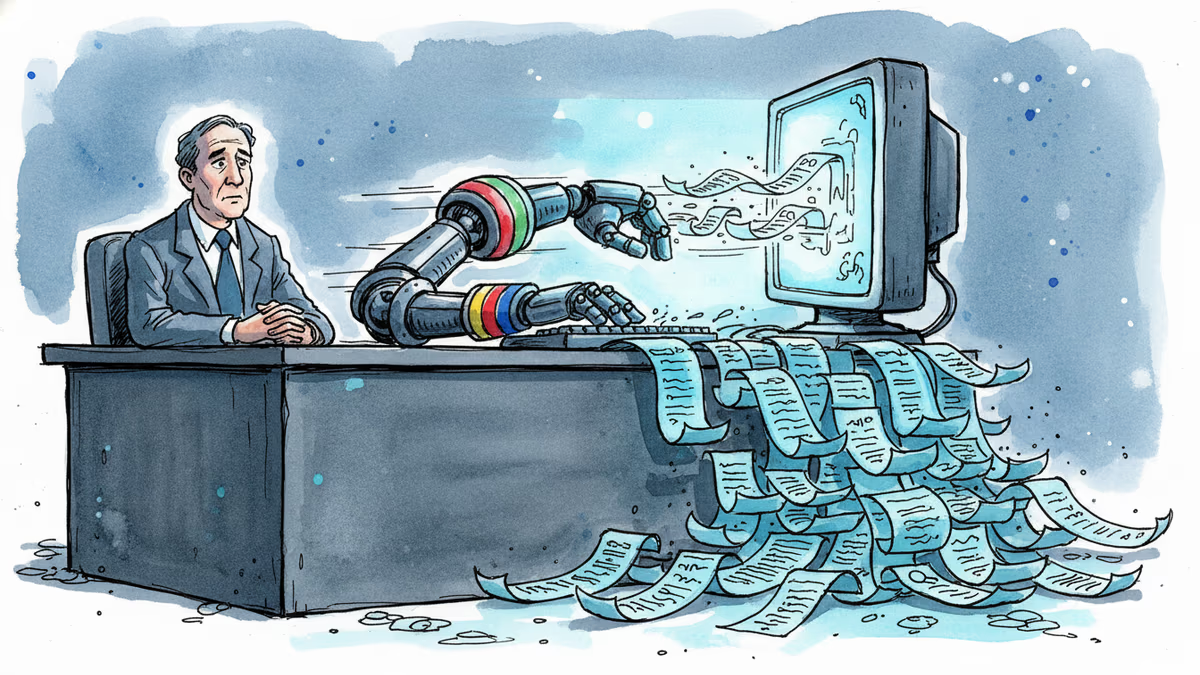
Google is building AI agents that search the web proactively, without user prompting. That's not just a product update — it's a fundamental shift in who controls the information you receive.
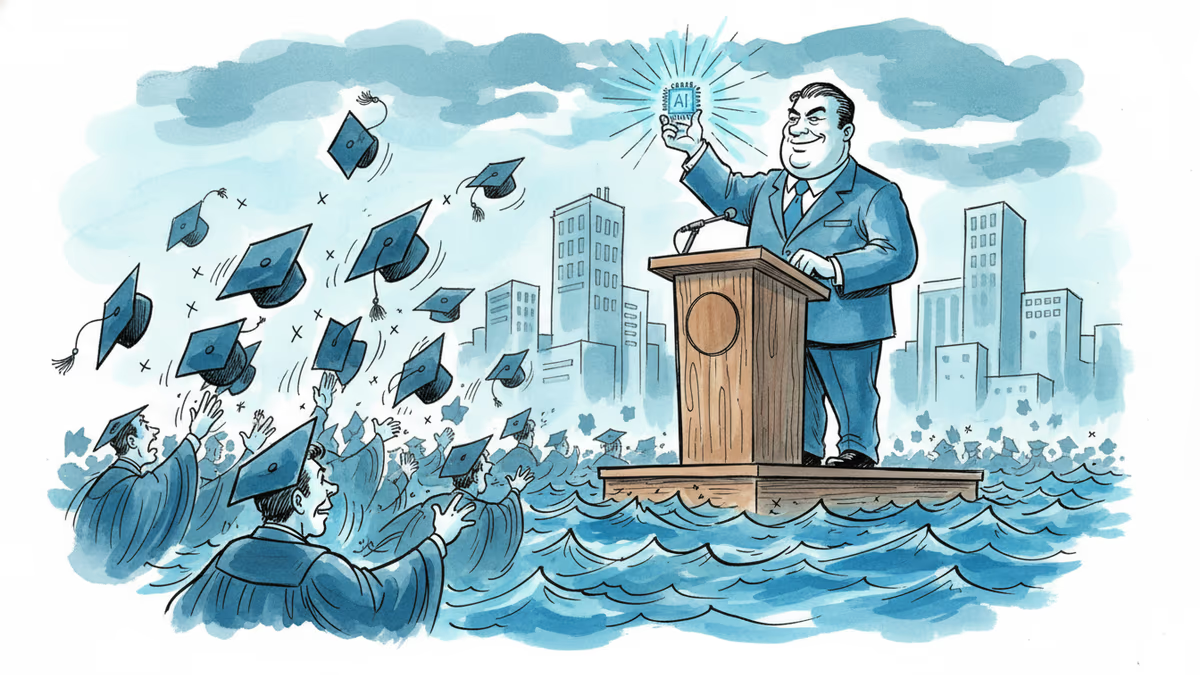
Viral videos show 2026 graduates jeering executives who praise AI at commencement ceremonies. It's not just rudeness — it's a signal about who pays for technological optimism.
Samsung and SK unveiled a chip and AI investment package worth thousands of trillions of won on June 29. The headline number swings wildly by outlet, but the real contest isn't capital — it's water and power.
In a post-Google I/O interview, Sundar Pichai acknowledged flawed search results, real AI anxiety, and an AGI timeline that makes the label irrelevant. Here's what he said — and what it means.
Google is building AI agents that search the web proactively, without user prompting. That's not just a product update — it's a fundamental shift in who controls the information you receive.
Viral videos show 2026 graduates jeering executives who praise AI at commencement ceremonies. It's not just rudeness — it's a signal about who pays for technological optimism.
Thoughts
Share your thoughts on this article
Sign in to join the conversation