

FTC Finalizes Ban on GM and OnStar Selling Driver Data to Insurance Brokers
The FTC has finalized an order banning GM and OnStar from sharing consumer driving data with brokers without explicit consent, following privacy scandals.
Your driving habits are no longer for sale. The Federal Trade Commission (FTC) officially slammed the brakes on General Motors (GM) and its OnStar service, finalizing an order that bans them from sharing sensitive consumer data with reporting agencies without explicit consent.
The Fallout from the GM OnStar FTC Data Privacy Order
This final order follows a series of revelations that started nearly two years ago. A New York Times investigation exposed how GM's 'Smart Driver' program tracked precise geolocation and driving behaviors—like hard braking and speeding—and sold that intel to data brokers like LexisNexis and Verisk. These brokers then pitched the data to insurance companies, which often led to higher premiums for unsuspecting drivers.
The FTC alleged that GM used a misleading enrollment process, failing to tell customers their data was being monetized. Under the new rules, GM must get explicit opt-in consent before collecting or sharing any connected vehicle data. This process will now trigger at the dealership, linked directly to the vehicle's VIN number.

Compliance and Transparency Mandates
GM isn't just stopping the sales; they're overhauling their entire privacy infrastructure. The automaker discontinued the Smart Driver program in April 2024 and has already moved to simplify its privacy statements. Consumers now have the right to request a copy of their data, seek its deletion, and disable geolocation tracking entirely.
- Mandatory explicit consent for all data sharing.
- The right for consumers to access and delete stored data.
- Exceptions allowed for emergency responders and de-identified R&D.
Authors
Related Articles
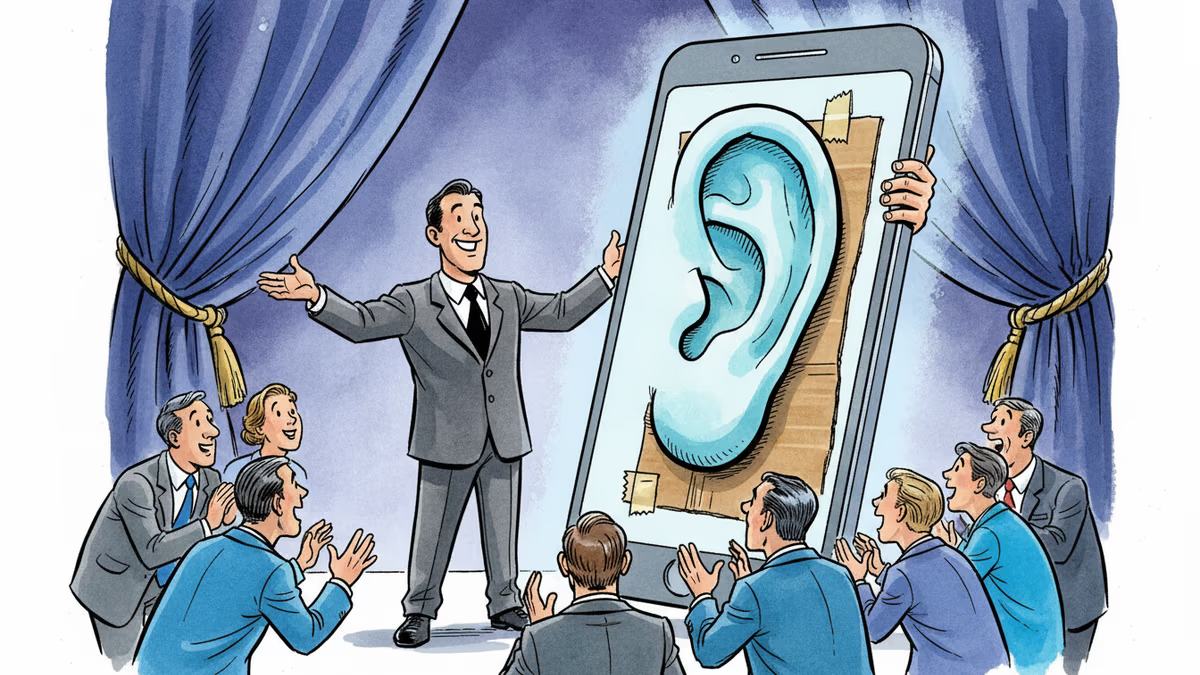
The FTC fined Cox Media and two ad firms $930,000 — not for actually eavesdropping on users, but for falsely claiming they could. The case raises uncomfortable questions about surveillance capitalism.
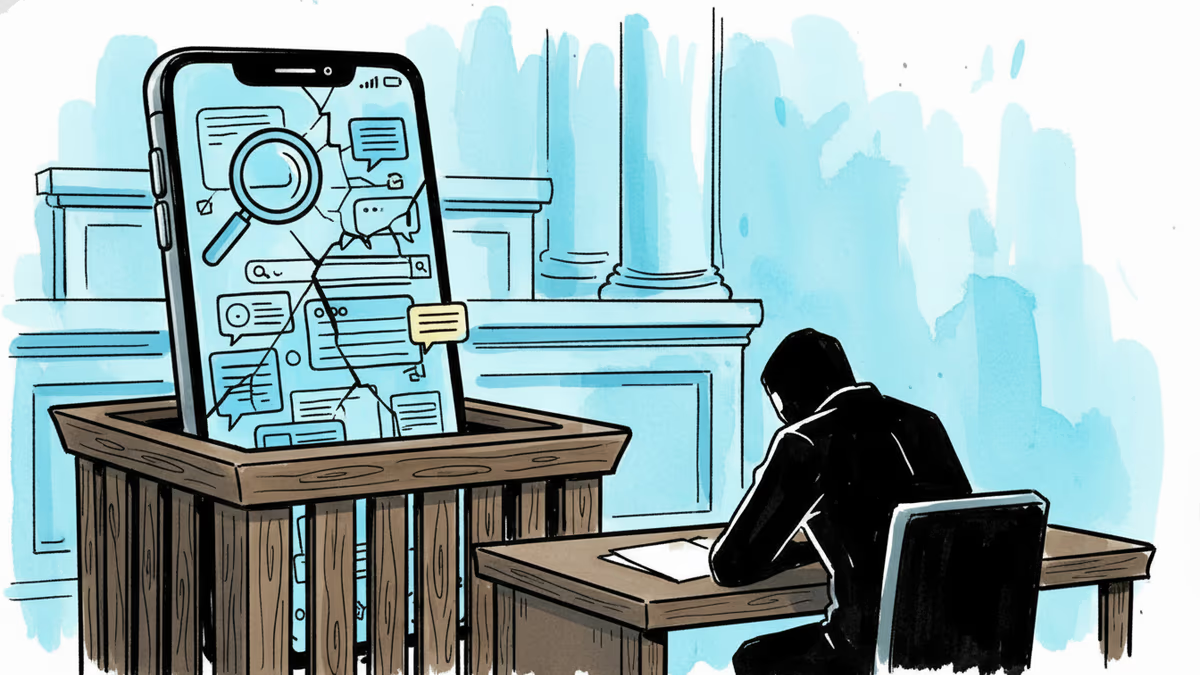
A Utah woman was sentenced to life in prison partly because of her Google searches and deleted texts. The Kouri Richins case reveals how digital footprints have become the courtroom's most reliable witness.
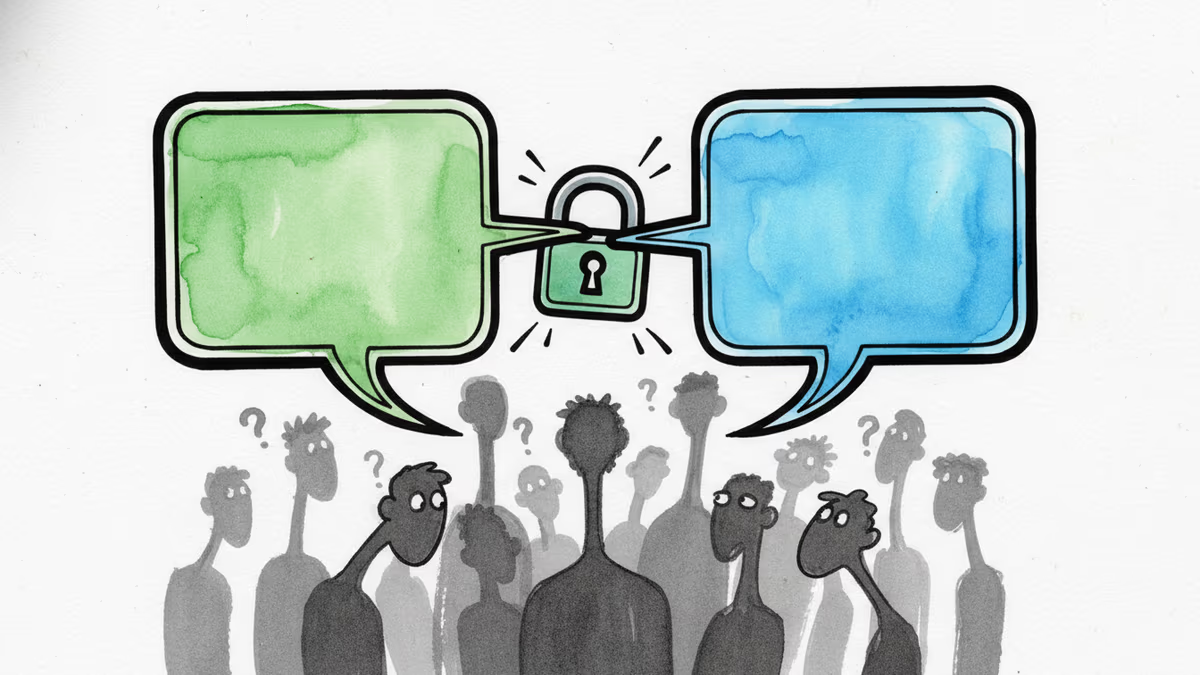
After 15 years of fragmented mobile messaging, Apple and Google are rolling out end-to-end encrypted RCS messaging between iPhones and Android devices. Here's what changed, why it took so long, and what it means for your privacy.
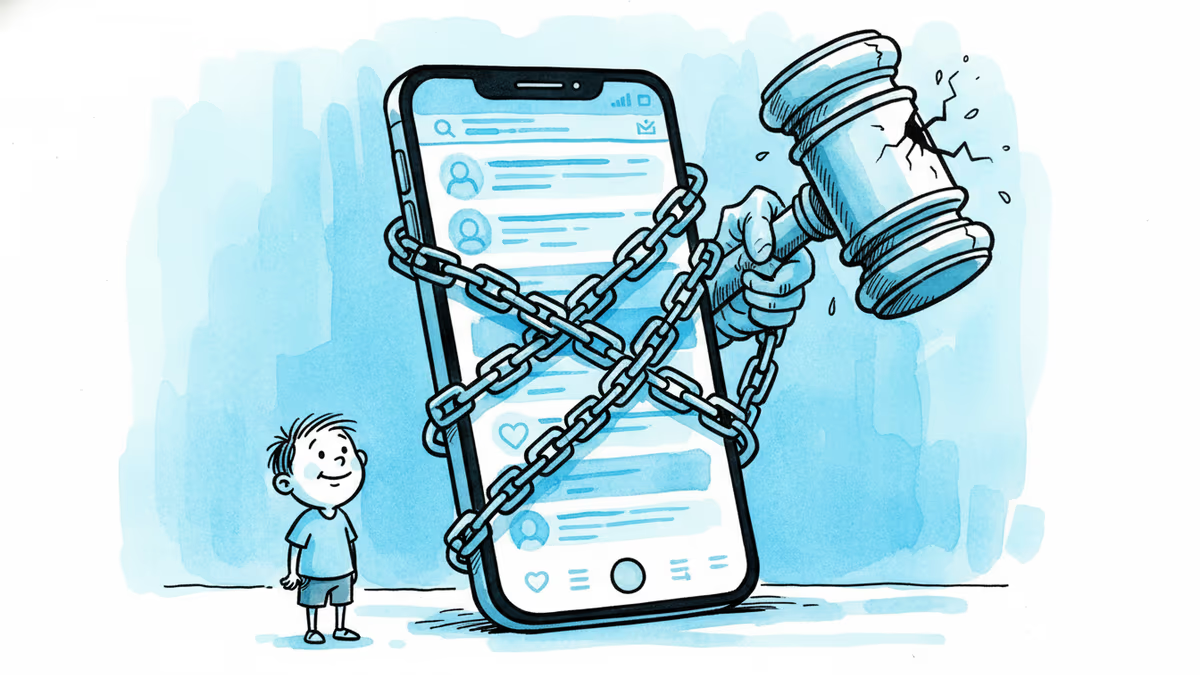
New Mexico already won $375 million from Meta. Now it wants something harder to give: a court order forcing Facebook, Instagram, and WhatsApp to redesign themselves. A three-week trial starts Monday.
The FTC fined Cox Media and two ad firms $930,000 — not for actually eavesdropping on users, but for falsely claiming they could. The case raises uncomfortable questions about surveillance capitalism.
A Utah woman was sentenced to life in prison partly because of her Google searches and deleted texts. The Kouri Richins case reveals how digital footprints have become the courtroom's most reliable witness.
After 15 years of fragmented mobile messaging, Apple and Google are rolling out end-to-end encrypted RCS messaging between iPhones and Android devices. Here's what changed, why it took so long, and what it means for your privacy.
New Mexico already won $375 million from Meta. Now it wants something harder to give: a court order forcing Facebook, Instagram, and WhatsApp to redesign themselves. A three-week trial starts Monday.
Thoughts
Share your thoughts on this article
Sign in to join the conversation