

Scroll and Earn? The Truth Behind Freecash App TikTok Ads 2026
Freecash app reached #2 on the App Store in 2026, but its viral TikTok ads promising $35/hour for scrolling are being labeled as deceptive. Discover the truth behind the rewards.
Can you really earn $35 an hour just by scrolling through TikTok? In January 2026, the Freecash app rocketed to the #2 spot on Apple's iOS free app charts, fueled by viral videos making these exact claims. However, beneath the promise of easy money lies a complex web of deceptive marketing and invasive data collection.
The Freecash App TikTok Ads Controversy
According to WIRED, numerous sponsored posts on TikTok featured young women claiming they were getting paid by TikTok to watch videos. TikTok spokesperson Ben Rathe stated that these ads violated the platform's rules regarding financial misrepresentation and were promptly removed. Freecash's parent company, Almedia, claimed that these ads were generated by "third-party affiliate partners" rather than the company itself.

The reality of the app's business model is quite different from the ads. Instead of watching videos, users are directed to download and play mobile games like Monopoly Go. While rewards are possible, they require significant time and effort. For instance, a $123 reward might require reaching level 300 within 90 days, a task that Freecash nudges users to complete faster by making in-game purchases.
Privacy and Data Exploitation Concerns
Technologists have raised alarms over the app's privacy policy. Lena Cohen from the Electronic Frontier Foundation warned that Freecash might be harvesting sensitive personal data. The app's policy mentions collecting information ranging from biometric data to race and health facts, which could be sold to data brokers targeting vulnerable users.
Authors
Related Articles
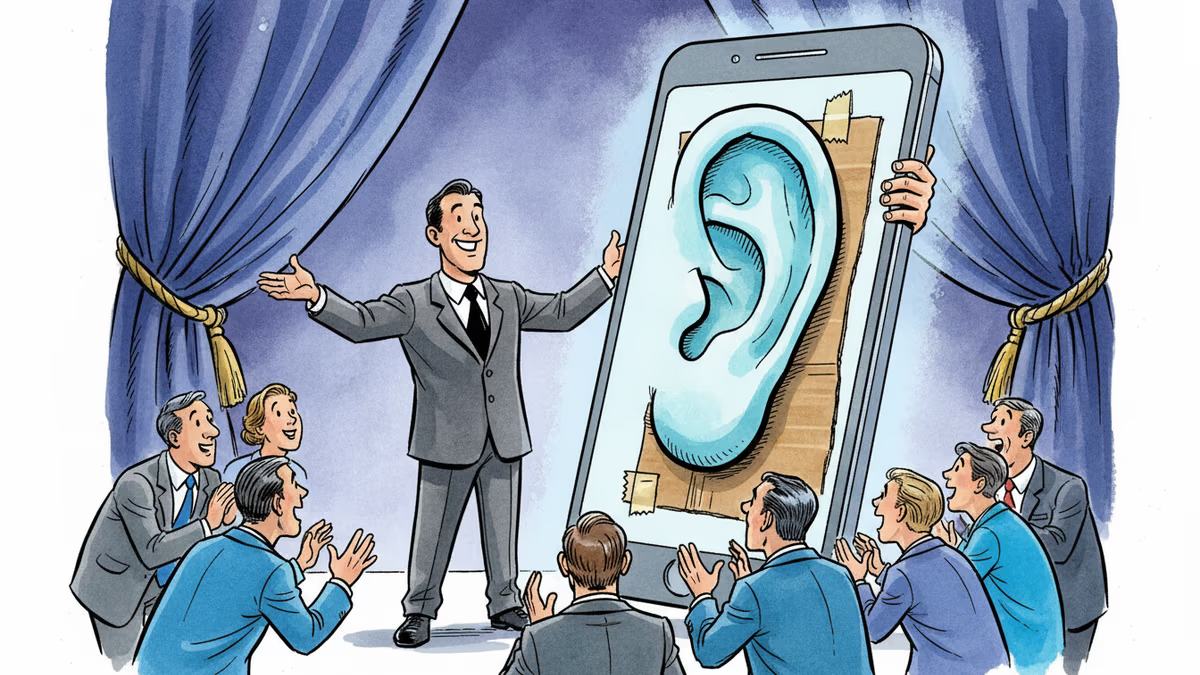
The FTC fined Cox Media and two ad firms $930,000 — not for actually eavesdropping on users, but for falsely claiming they could. The case raises uncomfortable questions about surveillance capitalism.
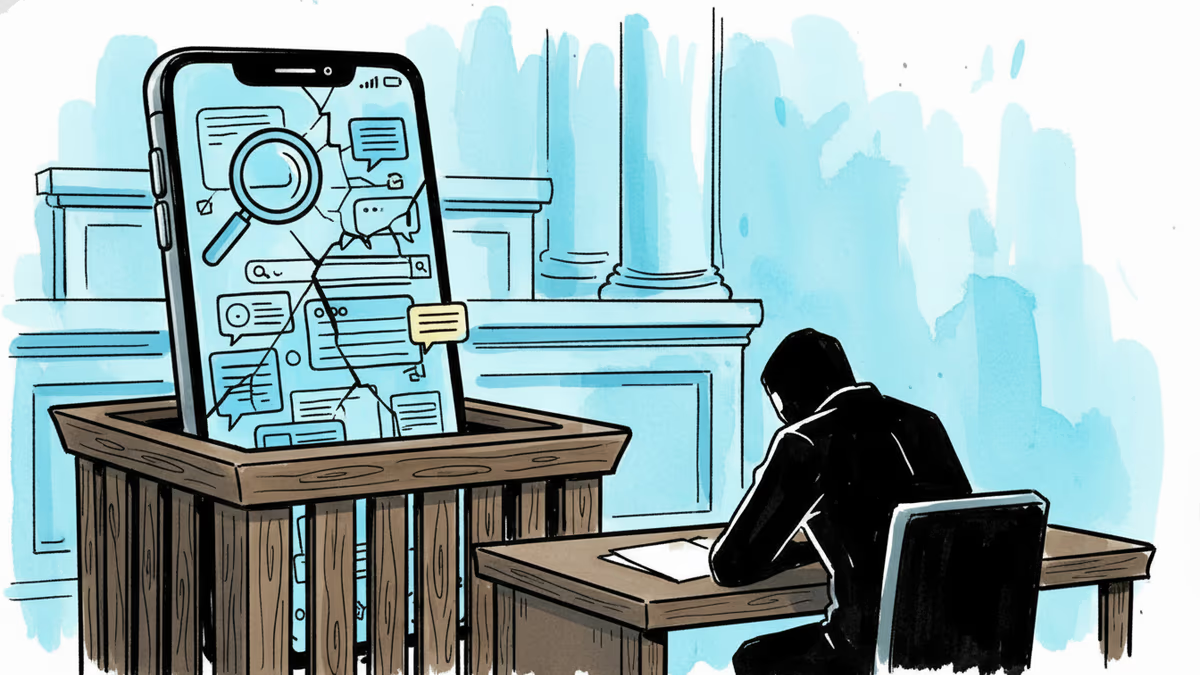
A Utah woman was sentenced to life in prison partly because of her Google searches and deleted texts. The Kouri Richins case reveals how digital footprints have become the courtroom's most reliable witness.
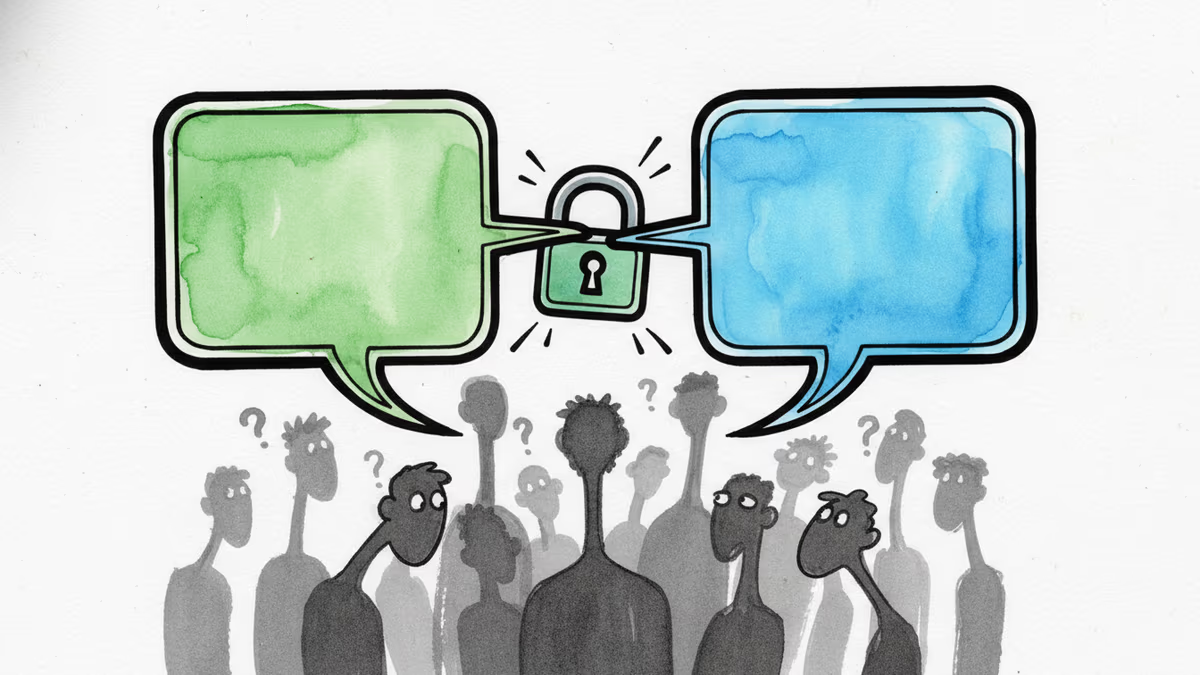
After 15 years of fragmented mobile messaging, Apple and Google are rolling out end-to-end encrypted RCS messaging between iPhones and Android devices. Here's what changed, why it took so long, and what it means for your privacy.
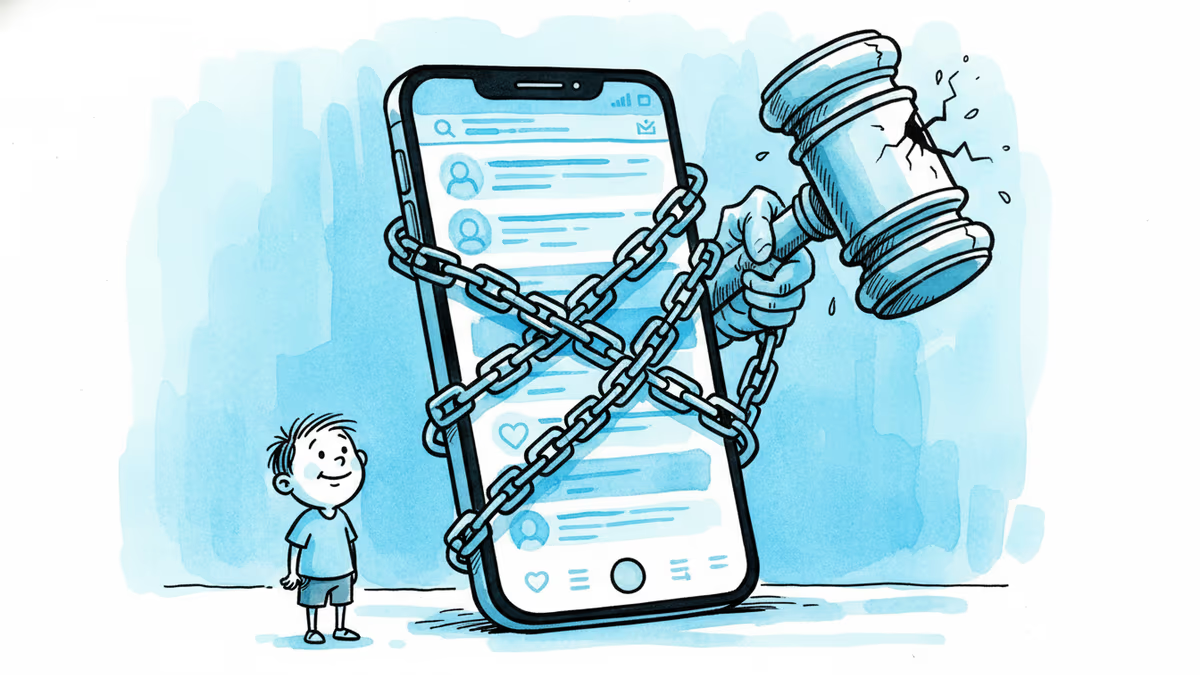
New Mexico already won $375 million from Meta. Now it wants something harder to give: a court order forcing Facebook, Instagram, and WhatsApp to redesign themselves. A three-week trial starts Monday.
The FTC fined Cox Media and two ad firms $930,000 — not for actually eavesdropping on users, but for falsely claiming they could. The case raises uncomfortable questions about surveillance capitalism.
A Utah woman was sentenced to life in prison partly because of her Google searches and deleted texts. The Kouri Richins case reveals how digital footprints have become the courtroom's most reliable witness.
After 15 years of fragmented mobile messaging, Apple and Google are rolling out end-to-end encrypted RCS messaging between iPhones and Android devices. Here's what changed, why it took so long, and what it means for your privacy.
New Mexico already won $375 million from Meta. Now it wants something harder to give: a court order forcing Facebook, Instagram, and WhatsApp to redesign themselves. A three-week trial starts Monday.
Thoughts
Share your thoughts on this article
Sign in to join the conversation