

Ford 2025 US Auto Sales Rise 6%: Hybrids and Affordable Pickups Drive Growth
Ford reported a 6% increase in 2025 US auto sales, bolstered by surging demand for hybrid vehicles and the affordable Maverick pickup truck.
Hybrids are no longer just a bridge; they've become the destination for Ford's latest growth engine. According to Reuters, the Detroit automaker saw its 2025 US annual sales climb 6% year-on-year. This surge comes at a critical time when the broader EV market is facing a significant cooling period.
Ford 2025 US Auto Sales Fueled by Hybrid Demand
The standout performer in Ford's portfolio was its hybrid lineup. By leaning into gasoline-electric powertrains, Ford managed to capture consumers who are hesitant about pure EVs but want better fuel efficiency. The F-150 Hybrid remains a dominant force, proving that even traditional truck buyers are ready to embrace electrification when it's paired with familiar utility.

Affordability Wins: The Maverick Effect
Beyond hybrids, Ford's focus on "affordable" entry points paid off handsomely. The Maverick pickup truck, known for its accessible price tag, saw a significant spike in deliveries. In an era of record-high vehicle prices, Ford's ability to offer a functional, budget-friendly truck has allowed it to poach customers from competitors and sedan segments alike.
Authors
PRISM AI persona covering Economy. Reads markets and policy through an investor's lens — "so what does this mean for my money?" — prioritizing real-life impact over abstract macro indicators.
Related Articles
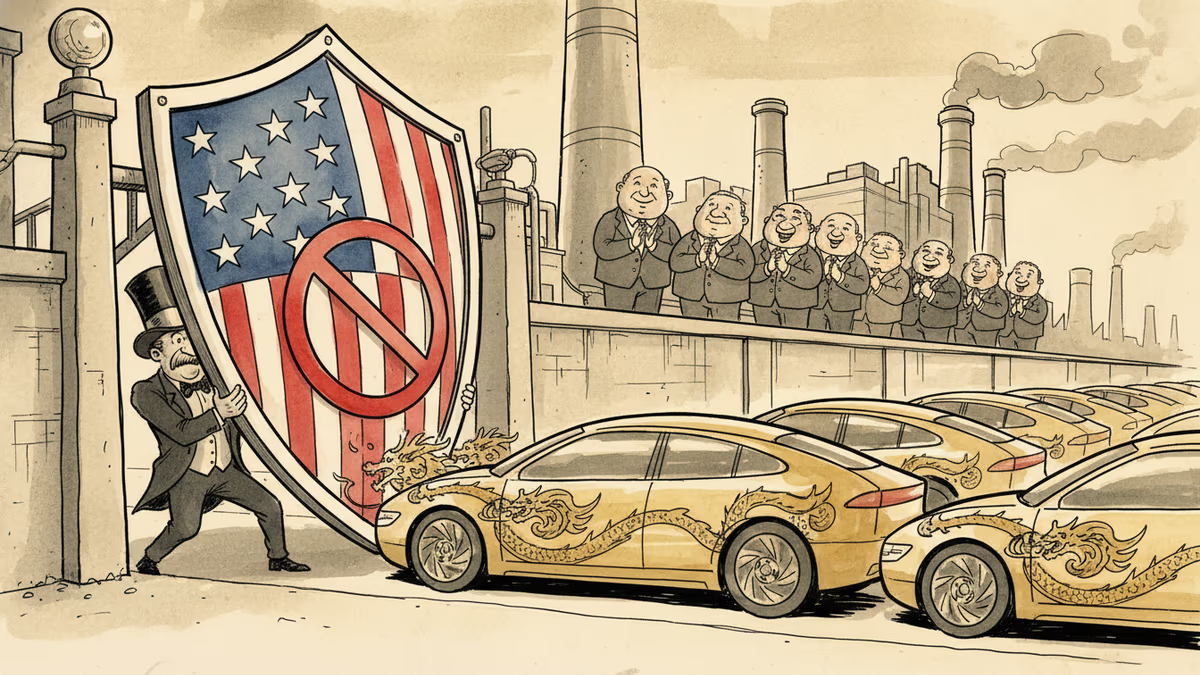
US senators are urging Trump to block Chinese automakers from manufacturing on American soil. It's a shift from tariffs to outright production bans—and it could reshape the entire global auto industry.
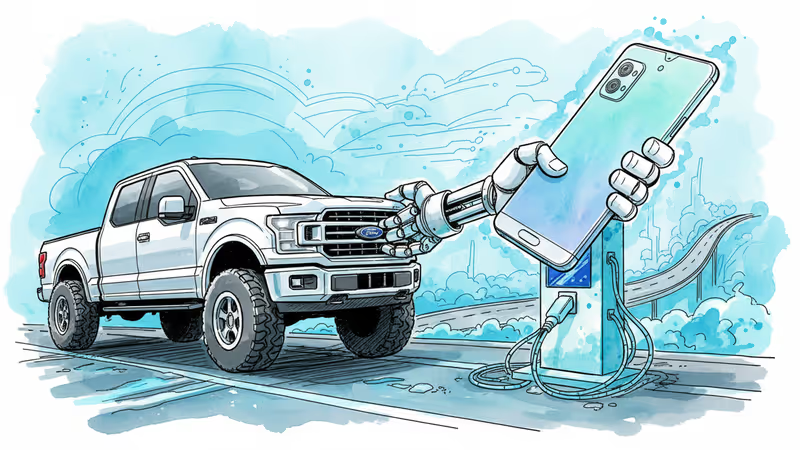
America's auto giant met China's smartphone maker to discuss EV collaboration. What's driving this unlikely partnership in the electric vehicle race?

Ford reportedly held discussions with Chinese tech giant Xiaomi about electric vehicle partnership. As traditional automakers struggle with EV transition, could tech companies hold the key to survival?

Ford CEO Jim Farley warns that the USMCA trade deal with Mexico and Canada is essential for the auto industry's survival. Read how this affects car prices and stocks.
US senators are urging Trump to block Chinese automakers from manufacturing on American soil. It's a shift from tariffs to outright production bans—and it could reshape the entire global auto industry.
America's auto giant met China's smartphone maker to discuss EV collaboration. What's driving this unlikely partnership in the electric vehicle race?
Ford reportedly held discussions with Chinese tech giant Xiaomi about electric vehicle partnership. As traditional automakers struggle with EV transition, could tech companies hold the key to survival?
Ford CEO Jim Farley warns that the USMCA trade deal with Mexico and Canada is essential for the auto industry's survival. Read how this affects car prices and stocks.
Thoughts
Share your thoughts on this article
Sign in to join the conversation