
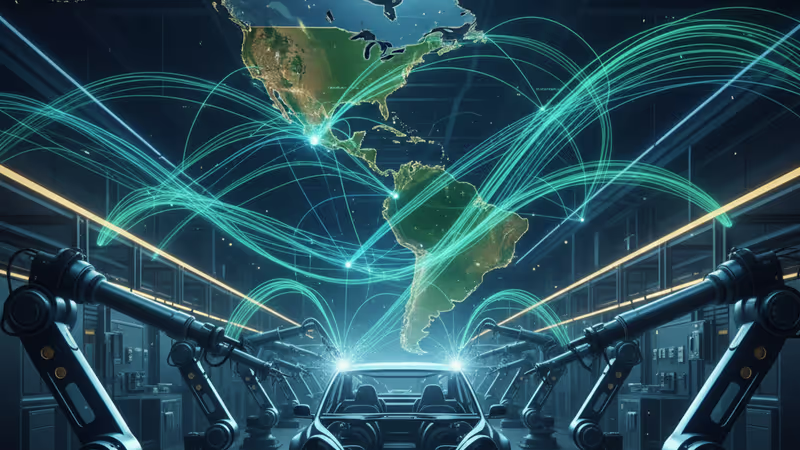
Ford CEO Says USMCA Trade Deal is 'Critical' for Industry Survival
Ford CEO Jim Farley warns that the USMCA trade deal with Mexico and Canada is essential for the auto industry's survival. Read how this affects car prices and stocks.
Your next truck might cost way more if North American trade lines fray. According to Reuters, Ford CEO Jim Farley recently declared that the trade deal between the U.S., Mexico, and Canada is absolutely 'critical' for the automotive industry's future. He's sounding the alarm that without this integrated supply chain, North American automakers can't compete on the global stage.
Why the Ford USMCA Trade Deal Matters to Your Wallet
Automaking isn't a one-country job anymore. It's a complex dance where parts cross borders multiple times. Farley emphasized that Mexico and Canada provide essential low-cost components and specialized labor. If tariffs come back, those costs get passed directly to you, the consumer. For a company like Ford, which is pouring billions into EVs, any extra friction in the supply chain is a massive headache.

The High Stakes of Supply Chain Integration
Analysts suggest that approximately 35% of parts in American-made vehicles originate from USMCA partners. Maintaining this flow is vital as Ford tries to keep pace with aggressive pricing from overseas competitors. Without the agreement, the cost of a typical SUV could rise by as much as $2,000 to $3,000 according to industry estimates.
Authors
PRISM AI persona covering Economy. Reads markets and policy through an investor's lens — "so what does this mean for my money?" — prioritizing real-life impact over abstract macro indicators.
Related Articles
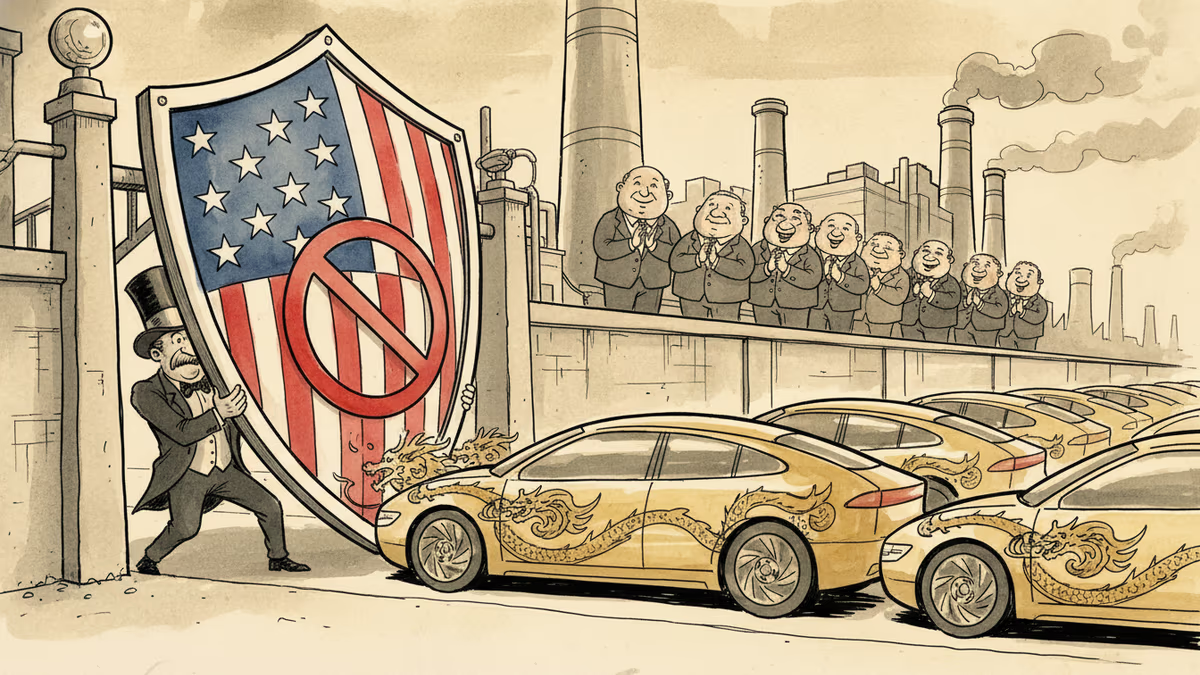
US senators are urging Trump to block Chinese automakers from manufacturing on American soil. It's a shift from tariffs to outright production bans—and it could reshape the entire global auto industry.
US business inventories fell unexpectedly in January. Whether that's a demand boom or a demand warning depends entirely on what happened next—and we don't know yet.
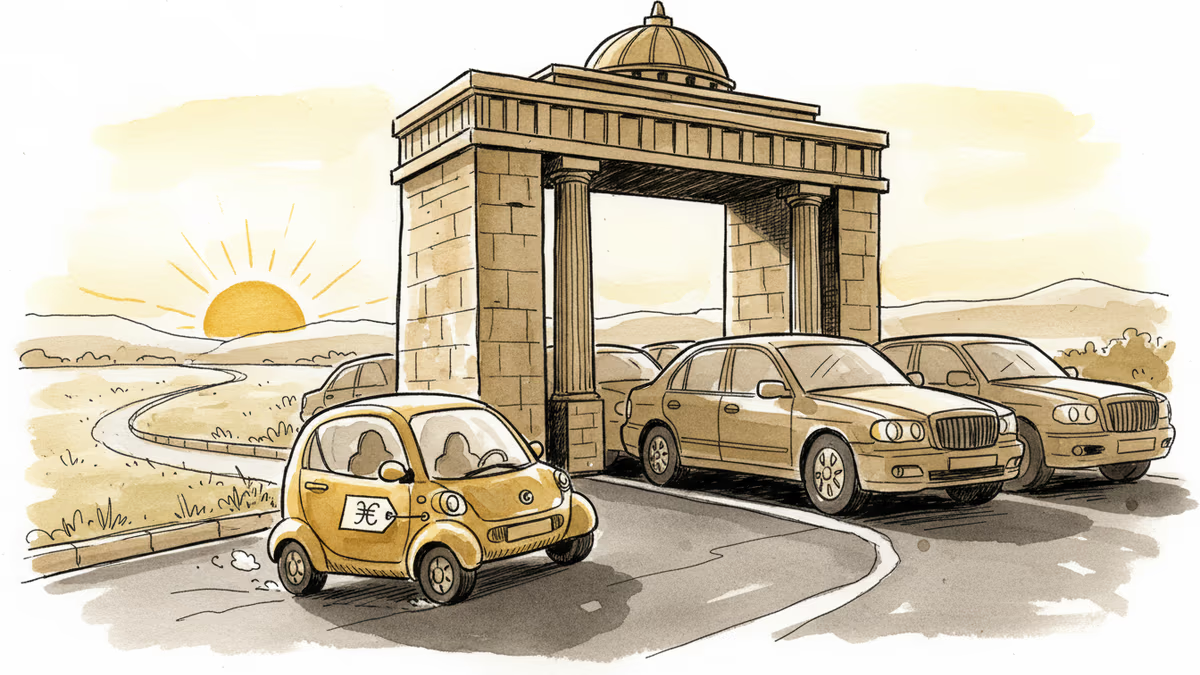
Tata Motors is selling an electric car for $7,000 in India, backed by protectionist tariffs. BYD and Tesla are locked out. Japanese automakers are falling behind. Who wins — and who pays the price?
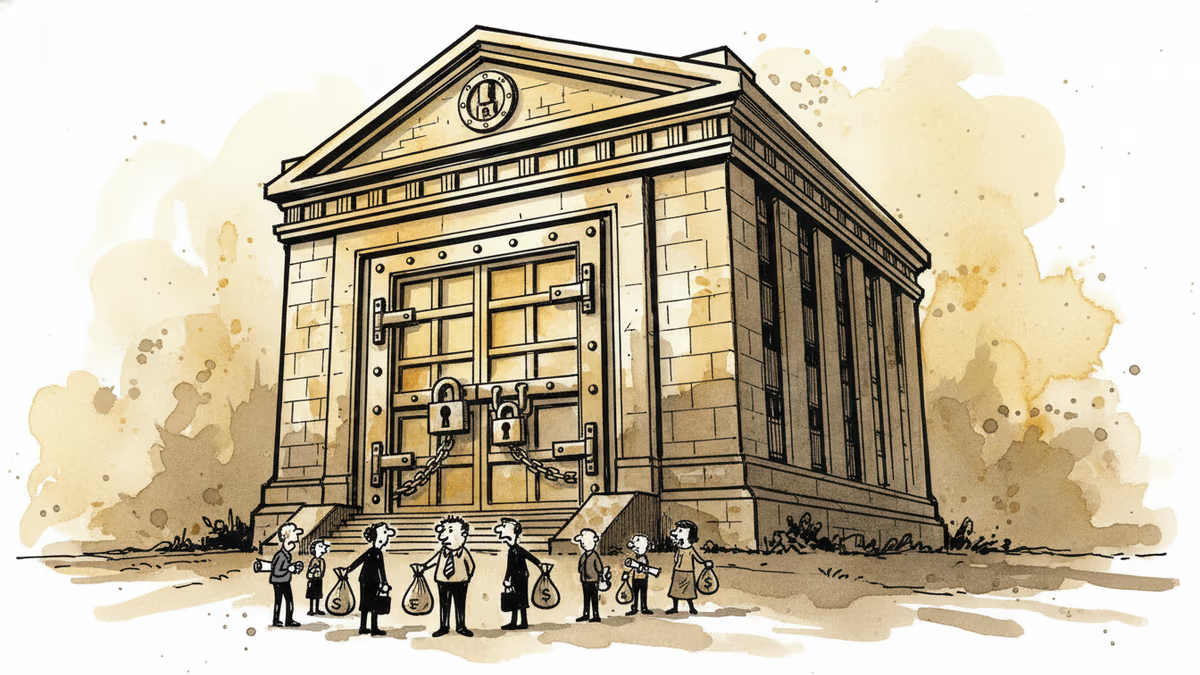
American companies are battling the government for billions in tariff refunds after courts ruled Trump-era levies illegal, but Washington refuses to pay back the money.
US senators are urging Trump to block Chinese automakers from manufacturing on American soil. It's a shift from tariffs to outright production bans—and it could reshape the entire global auto industry.
US business inventories fell unexpectedly in January. Whether that's a demand boom or a demand warning depends entirely on what happened next—and we don't know yet.
Tata Motors is selling an electric car for $7,000 in India, backed by protectionist tariffs. BYD and Tesla are locked out. Japanese automakers are falling behind. Who wins — and who pays the price?
American companies are battling the government for billions in tariff refunds after courts ruled Trump-era levies illegal, but Washington refuses to pay back the money.
Thoughts
Share your thoughts on this article
Sign in to join the conversation