

NASA Commercial Space Station Contract 2026: The Looming ISS Retirement Crisis
NASA is racing against the clock for the NASA commercial space station contract 2026 as ISS decommissioning nears. Meet the top 4 contenders in the new space race.
The ISS has a retirement date, but its successors are still stuck on the drawing board. With less than 5 years until the International Space Station is decommissioned, NASA is facing a critical time crunch in its mission to privatize low Earth orbit.
NASA Commercial Space Station Contract 2026: Four Main Contenders
According to reports by Ars Technica, the space agency is expected to award major contracts to one or two companies later this year. The current race features four heavyweight contenders vying for the future of orbital research:

- Voyager Technologies
- Axiom Space
- Blue Origin
- Vast Space
A Regulatory Gap and Tight Deadlines
NASA's delay in publishing formal requirements is causing ripples in the industry. While companies are refining their designs, they're operating without a final rulebook. If the transition isn't seamless by 2030, the U.S. risks a gap in its orbital presence—a scenario that experts warn could cede ground in the new space race.
Authors
Related Articles

NASA's Artemis III has been redesigned as an Earth-orbit mission. SpaceX and Blue Origin say their landers won't be ready until late 2027. What does this mean for the future of lunar exploration?
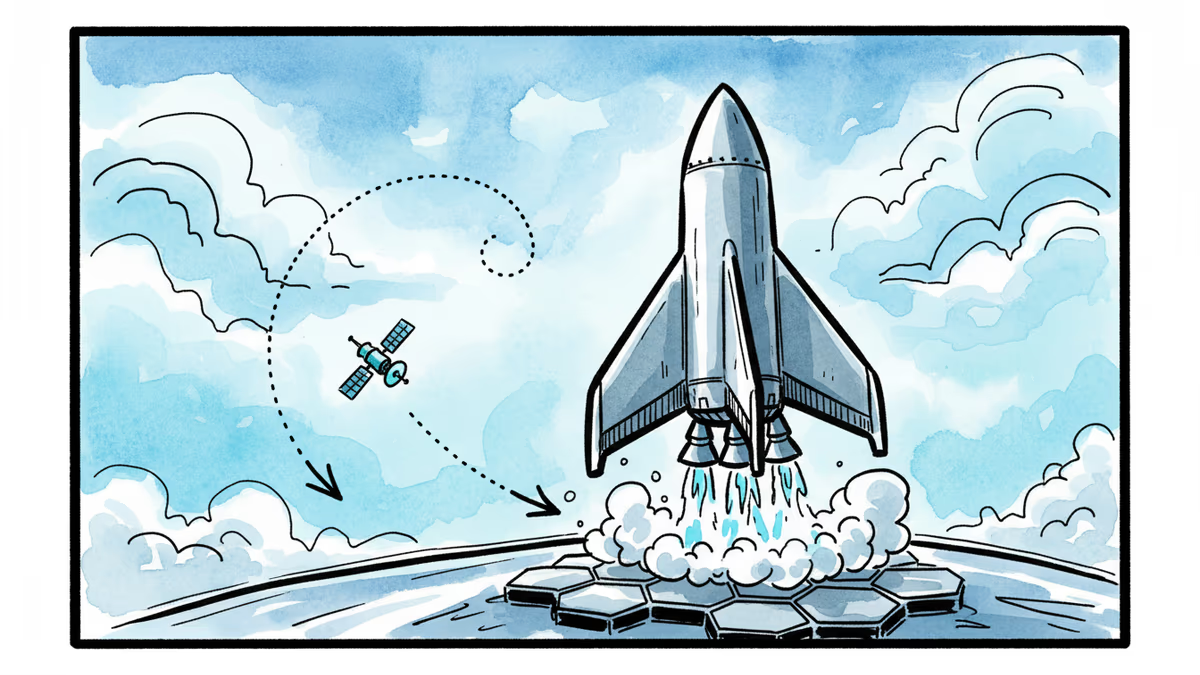
Blue Origin's New Glenn nailed its second booster landing, but AST SpaceMobile's BlueBird 7 satellite ended up in the wrong orbit—effectively useless. What this split outcome reveals about the space race.
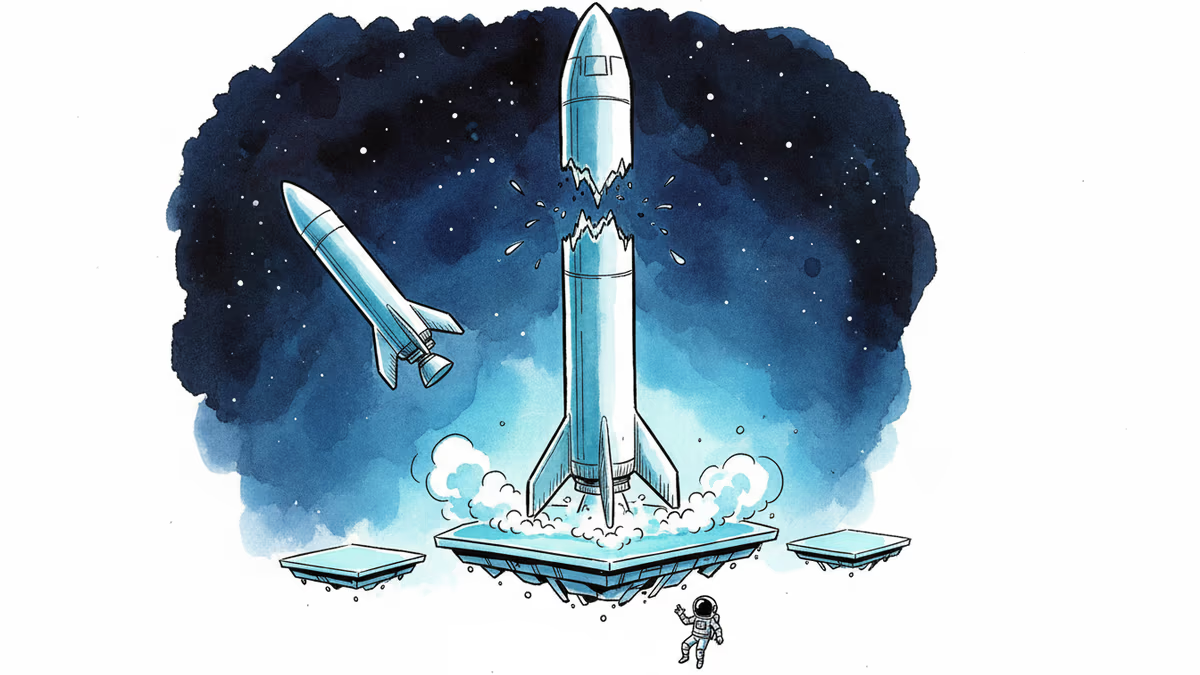
Blue Origin successfully reflew an orbital-class booster for the first time, but New Glenn's upper stage failed on its third mission — raising questions about NASA's Artemis timeline.
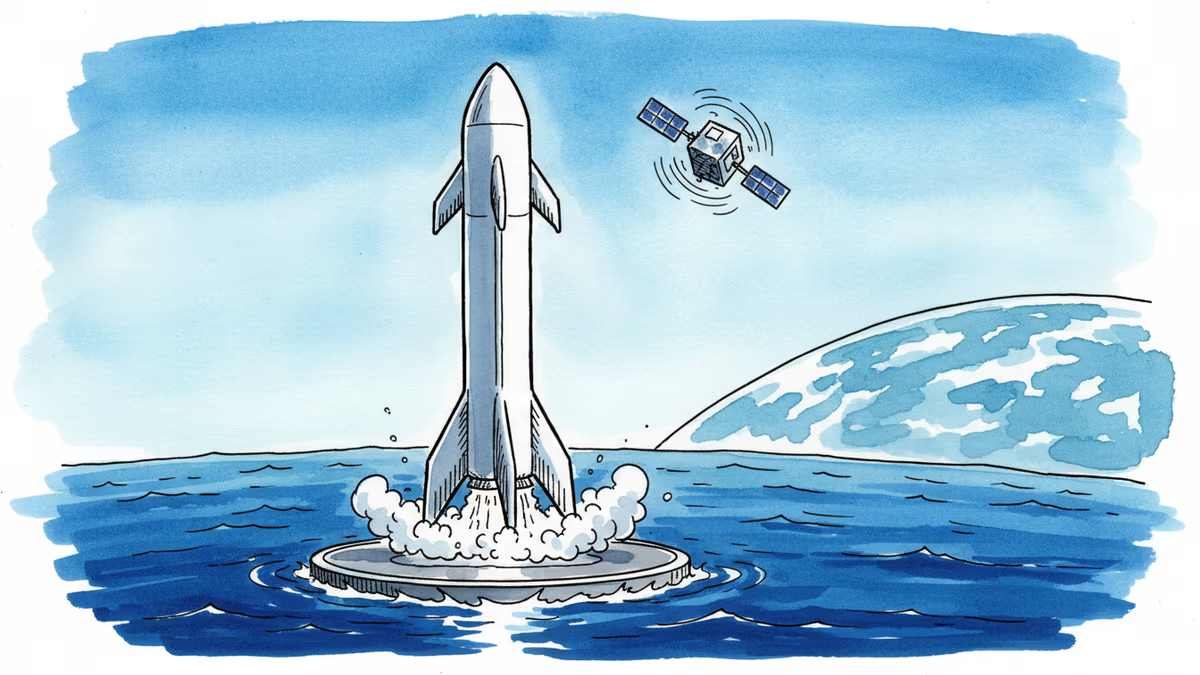
Blue Origin's New Glenn rocket nailed its first booster reuse — but lost a customer satellite to a botched upper stage. What this split verdict means for the space industry, NASA's moon plans, and the race against SpaceX.
NASA's Artemis III has been redesigned as an Earth-orbit mission. SpaceX and Blue Origin say their landers won't be ready until late 2027. What does this mean for the future of lunar exploration?
Blue Origin's New Glenn nailed its second booster landing, but AST SpaceMobile's BlueBird 7 satellite ended up in the wrong orbit—effectively useless. What this split outcome reveals about the space race.
Blue Origin successfully reflew an orbital-class booster for the first time, but New Glenn's upper stage failed on its third mission — raising questions about NASA's Artemis timeline.
Blue Origin's New Glenn rocket nailed its first booster reuse — but lost a customer satellite to a botched upper stage. What this split verdict means for the space industry, NASA's moon plans, and the race against SpaceX.
Thoughts
Share your thoughts on this article
Sign in to join the conversation