
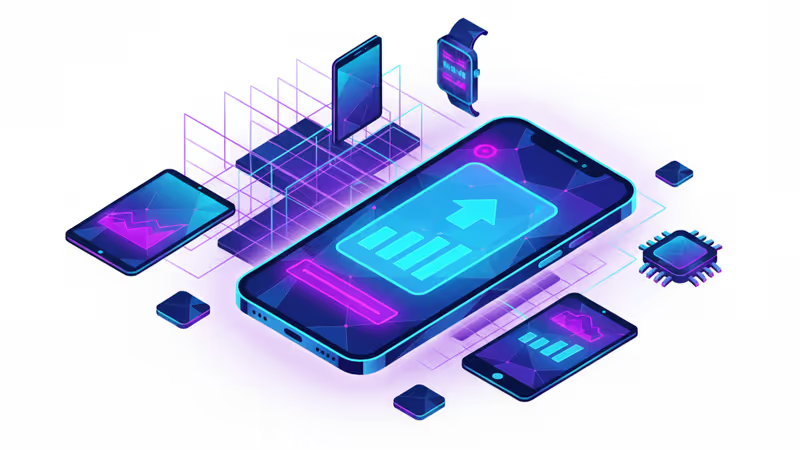
Betterment Data Breach 2026: Personal Info Exposed via Social Engineering
Betterment confirmed a data breach on January 9, 2026, involving customer names and addresses. Hackers used a social engineering attack to send crypto scams.
A promise to triple your crypto value turned out to be a calculated trap. Betterment, the automated investment giant, confirmed a security breach that exposed sensitive customer data and led to fraudulent phishing attempts.
Anatomy of the Betterment Data Breach 2026
According to reports from TechCrunch and The Verge, the attack occurred on January 9, 2026. Hackers didn't break through the front door; instead, they used a social engineering attack targeting third-party platforms the company uses for marketing and operations.

The compromised data includes customer names, email and postal addresses, phone numbers, and dates of birth. With this access, attackers sent out fake notifications urging users to send $10,000 to a specific wallet to supposedly triple their crypto holdings.
Response and Transparency Concerns
Betterment says that no customer passwords or login credentials were stolen. However, the company hasn't disclosed the exact number of victims. Adding to the controversy, the security incident page currently contains a noindex tag, which prevents search engines from listing the page, potentially making it harder for the public to find information about the breach.
Authors
Related Articles
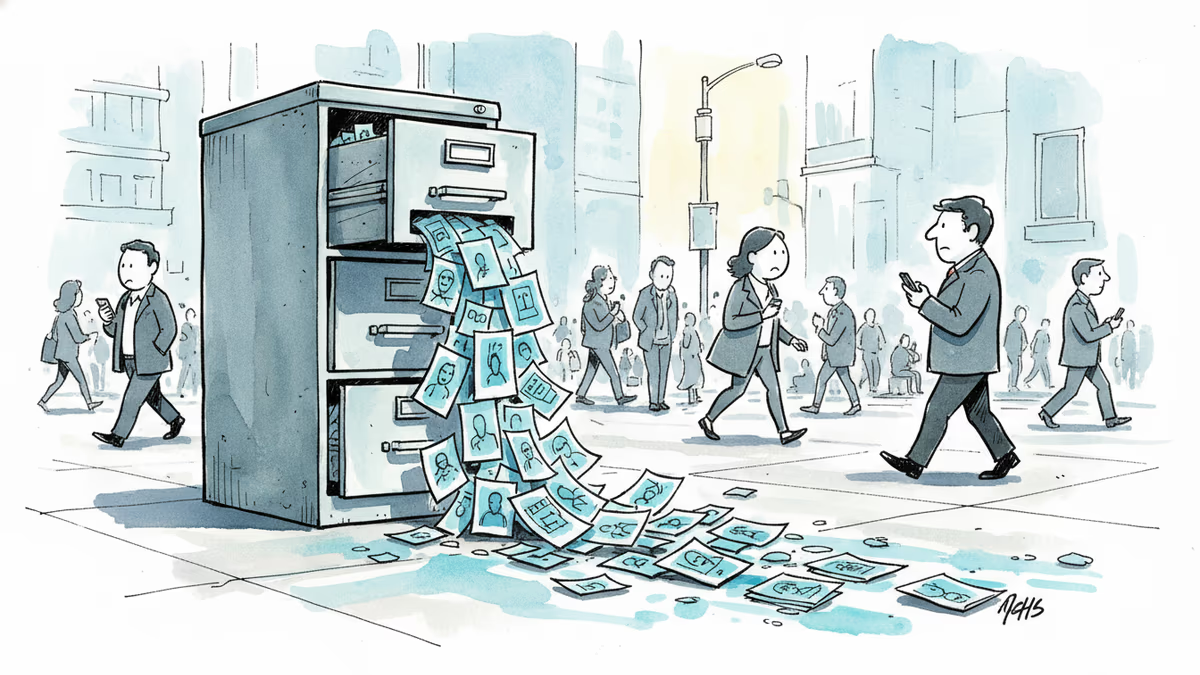
UK Visa Portal, a private immigration service mistaken for an official government site, has been exposing passport scans and selfies of over 100,000 applicants. The breach remains unpatched.
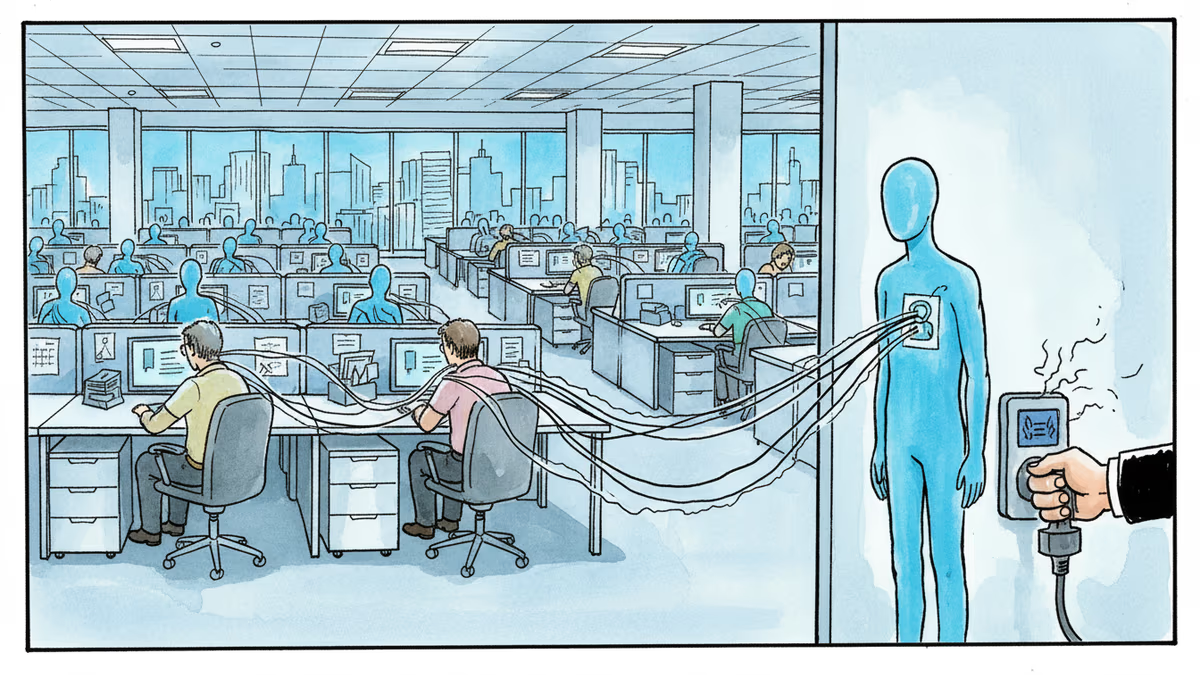
Okta CEO Todd McKinnon on why AI agents need identity management, the SaaSpocalypse threat, and why the kill switch might be the most important button in enterprise tech.
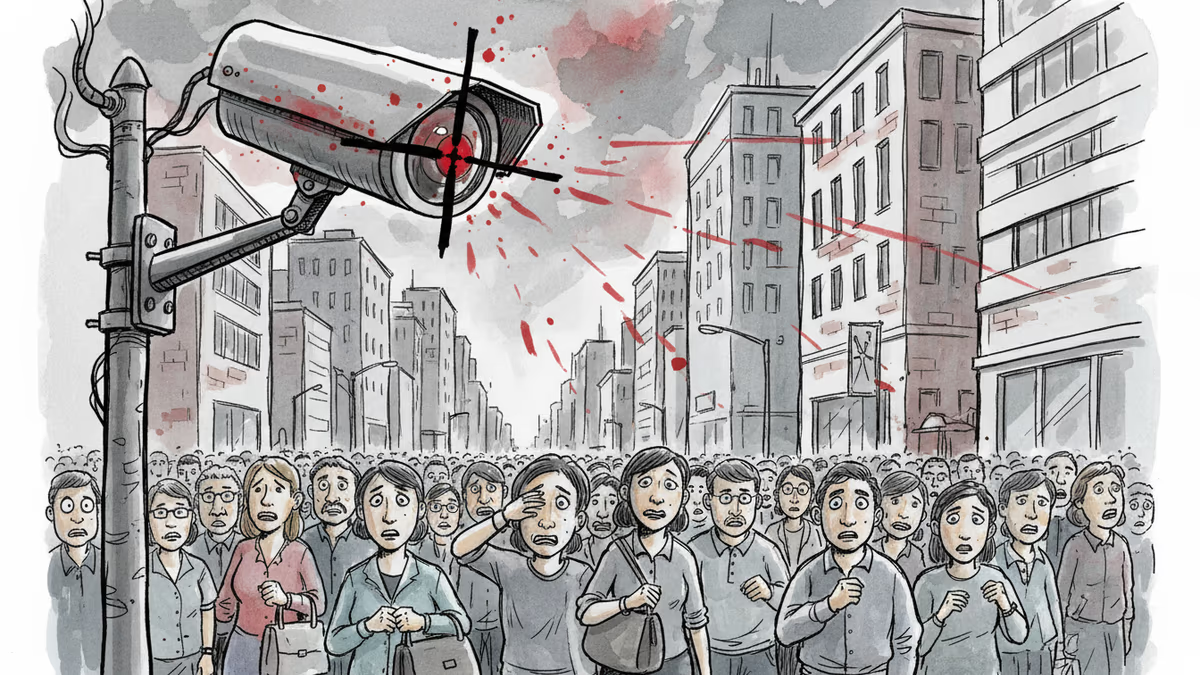
Iran and Israel are hacking civilian security cameras for military reconnaissance. How consumer surveillance devices became weapons of war.
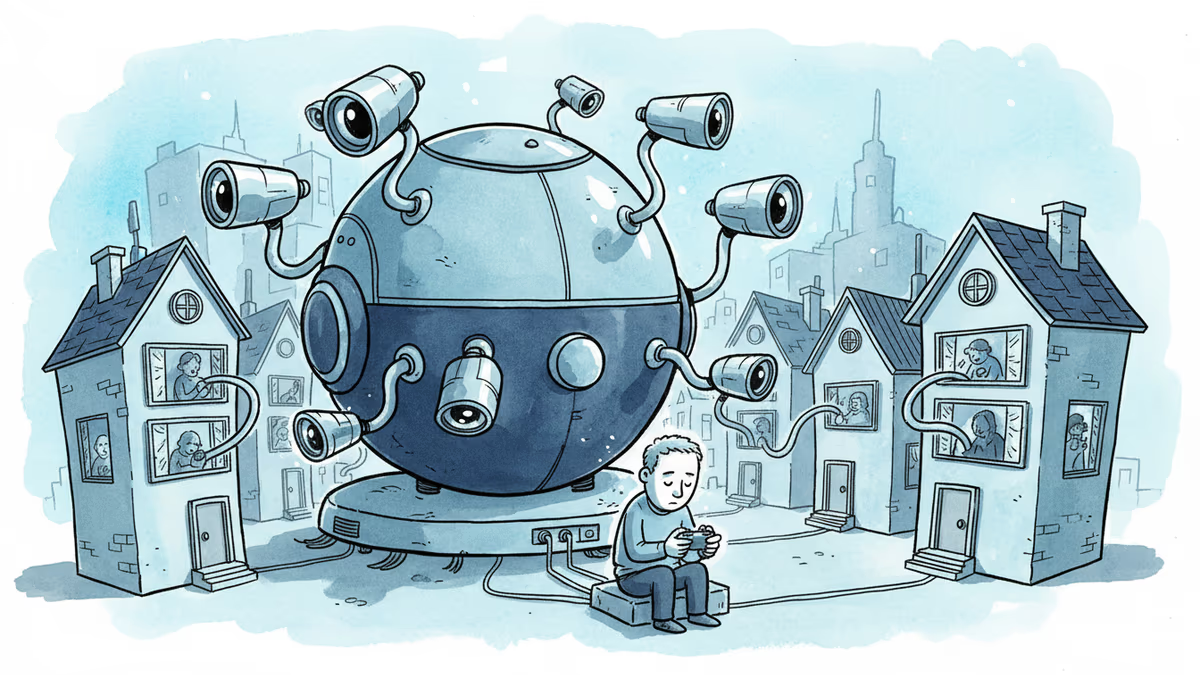
A security researcher discovered he could access 7,000 DJI robot vacuums and peek into strangers' homes. This Valentine's Day revelation exposes the hidden privacy risks of our smart home obsession.
UK Visa Portal, a private immigration service mistaken for an official government site, has been exposing passport scans and selfies of over 100,000 applicants. The breach remains unpatched.
Okta CEO Todd McKinnon on why AI agents need identity management, the SaaSpocalypse threat, and why the kill switch might be the most important button in enterprise tech.
Iran and Israel are hacking civilian security cameras for military reconnaissance. How consumer surveillance devices became weapons of war.
A security researcher discovered he could access 7,000 DJI robot vacuums and peek into strangers' homes. This Valentine's Day revelation exposes the hidden privacy risks of our smart home obsession.
Thoughts
Share your thoughts on this article
Sign in to join the conversation