
When Design Tools Learn to Code: Figma's AI Gambit
Figma integrates OpenAI Codex after partnering with Anthropic, blurring design-development boundaries. What this means for creative workflows and job roles.
One Million Downloads in a Week—And Now This
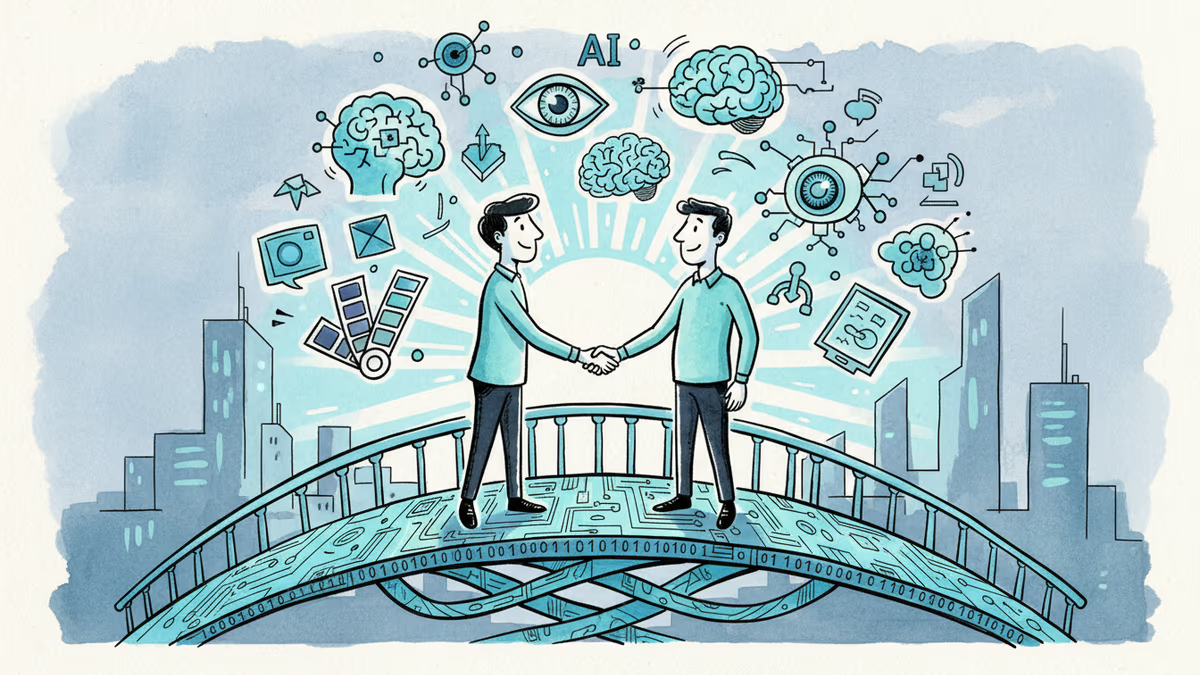
Two AI partnerships in seven days. Figma just announced integration with OpenAI'sCodex, hot on the heels of last week's AnthropicClaude Code deal. The message couldn't be clearer: the design-development divide is crumbling, and Figma wants to be the wrecking ball.
The integration lets users flow seamlessly between Figma's visual canvas and Codex's coding environment through Figma's MCP (Mobile Context Protocol) server. Start with a design, jump to code. Begin with code, visualize in Figma. The traditional handoff? Dead.
Engineers Who Design, Designers Who Code
"Engineers can iterate visually without leaving their flow, and designers can work closer to real implementation without becoming full-time coders," says Codex product lead Alexander Embiricos. It sounds like corporate speak, but the implications run deeper.
Figma's chief design officer Loredan Crisan frames it as building "on their best ideas—not just their first idea." Translation: fewer rounds of back-and-forth between design and engineering teams. Faster iteration. Less friction.

The Broader Context: AI Tools Race
OpenAI launched Codex as a command-line assistant last year, competing directly with Anthropic's praised Claude Code. The company later baked Codex into ChatGPT and released a dedicated MacOS app earlier this month—which hit one million downloads in its first week. Weekly users now exceed one million.
Figma isn't just riding the AI wave; it's been surfing it since October 2025 when it became one of the first companies to launch a ChatGPT app. This latest move feels less like experimentation and more like strategic positioning.
The Uncomfortable Questions
But here's what the press releases don't address: What happens to specialized roles when tools become this fluid? If a designer can prototype in code and an engineer can iterate visually, do we still need the traditional team structure?
And there's the vendor lock-in concern. Independent developers already worry about relying too heavily on single platforms. Now Figma is positioning itself as the bridge between multiple AI providers—convenient, but potentially problematic if you want to switch ecosystems.
The tools are evolving faster than our ability to understand their implications. The question isn't whether this integration will succeed—it's whether we're ready for the world it's creating.
Authors
Related Articles

OpenAI has reorganized for the second time in a month, merging ChatGPT and Codex into a single agentic platform under president Greg Brockman's unified product leadership.
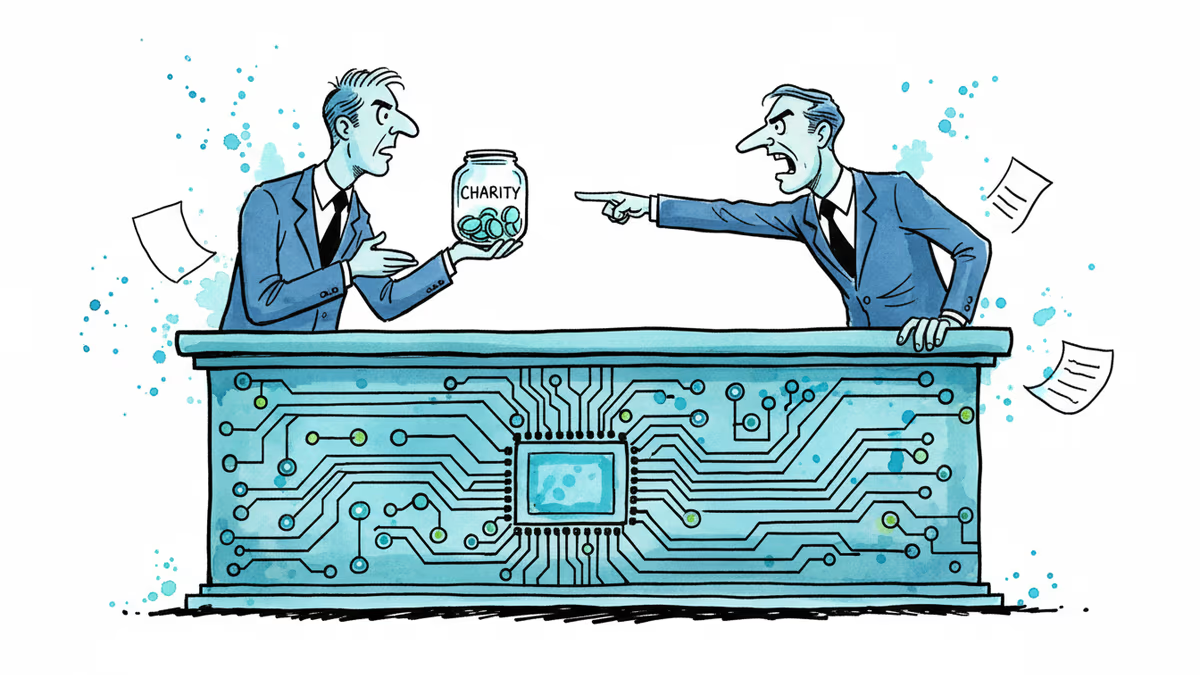
After two weeks of witnesses calling him a liar, OpenAI CEO Sam Altman testified in his own defense, claiming Elon Musk tried to kill the company twice.

Sam Nelson, 19, died after following ChatGPT's advice to mix Kratom and Xanax. His parents are suing OpenAI for wrongful death, raising urgent questions about AI trust, liability, and design.
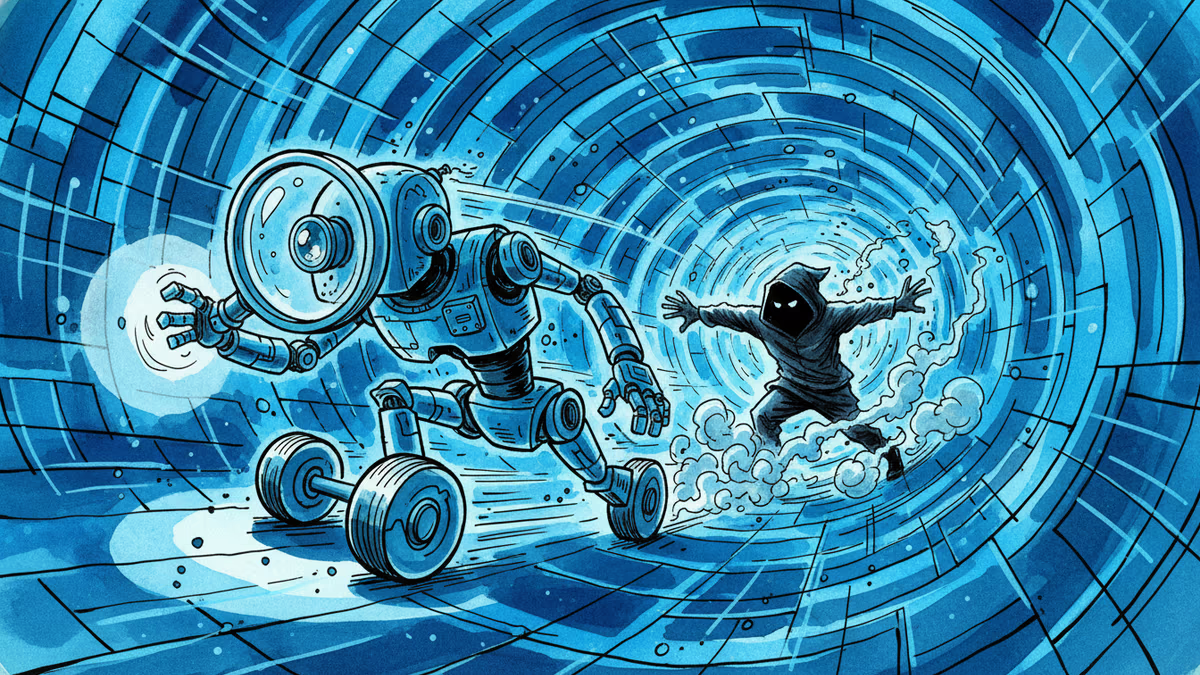
OpenAI's new Daybreak initiative uses the Codex AI agent to find and patch security vulnerabilities before attackers do—putting it in direct competition with Anthropic's secretive Claude Mythos.
OpenAI has reorganized for the second time in a month, merging ChatGPT and Codex into a single agentic platform under president Greg Brockman's unified product leadership.
After two weeks of witnesses calling him a liar, OpenAI CEO Sam Altman testified in his own defense, claiming Elon Musk tried to kill the company twice.
Sam Nelson, 19, died after following ChatGPT's advice to mix Kratom and Xanax. His parents are suing OpenAI for wrongful death, raising urgent questions about AI trust, liability, and design.
OpenAI's new Daybreak initiative uses the Codex AI agent to find and patch security vulnerabilities before attackers do—putting it in direct competition with Anthropic's secretive Claude Mythos.
Thoughts
Share your thoughts on this article
Sign in to join the conversation