
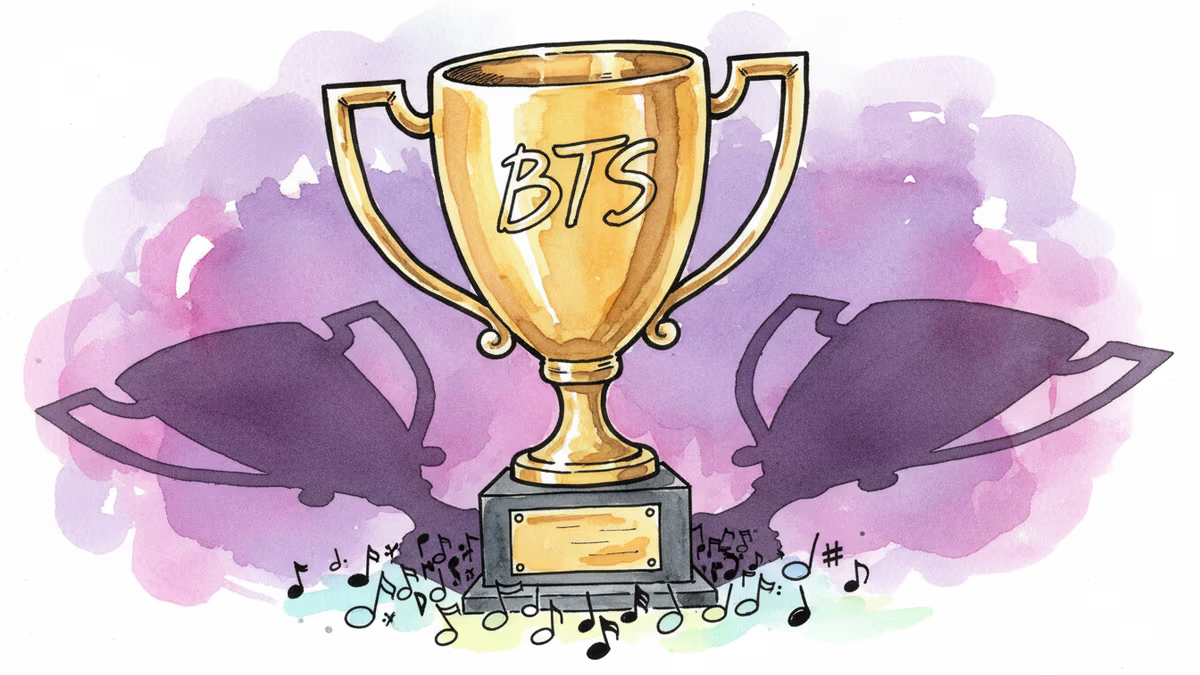
BTS Tops Brand Rankings Again - But What Does It Really Mean?
BTS maintains their #1 spot in February's singer brand reputation rankings. Beyond the numbers, what does this reveal about the K-pop industry's evolving landscape?
What makes an artist "number one" when they're not even actively promoting?
BTS has claimed the top spot in February's singer brand reputation rankings, released by the Korean Business Research Institute. But here's the twist: they've done it while most members are fulfilling their military service obligations.
The rankings, based on big data analysis from January 21 to February 21, measure media coverage, consumer participation, interaction, and community awareness. It's a comprehensive look at who's capturing public attention—and BTS continues to dominate even in their relative absence.
The Metrics Behind the Magic
Brand reputation isn't just about chart positions or album sales. It's about cultural conversation. The Korean Business Research Institute's methodology captures something more elusive: how deeply an artist has embedded themselves in the public consciousness.
BTS's continued reign raises fascinating questions about the nature of fame in the digital age. Can an artist maintain peak brand value without constant content? Apparently, yes—but only if they've built something bigger than music.
Their global fanbase, ARMY, has essentially become a self-sustaining ecosystem. They create content, drive conversations, and maintain engagement levels that most actively promoting artists would envy. It's brand loyalty that transcends traditional marketing.
The Double-Edged Sword of Dominance
While BTS's success is undeniably impressive, it highlights a broader industry dynamic that's worth examining. The concentration of attention on a few top-tier acts creates what economists might call a "winner-takes-all" market.

For emerging artists, this presents both inspiration and intimidation. The bar for breaking through isn't just about musical talent anymore—it requires mastering social media, building international fandoms, and creating cultural moments that transcend entertainment.
Consider the ripple effects: streaming platforms' algorithms favor already-popular content, media coverage gravitates toward established names, and brand partnerships flow to proven commodities. Success breeds more success, but it also makes the climb steeper for newcomers.
The Global Fandom Phenomenon
What sets BTS apart isn't just their music—it's their fanbase's unprecedented organization and dedication. ARMY operates like a decentralized marketing agency, translating content, coordinating streaming efforts, and amplifying every piece of BTS-related news across multiple platforms.
This model has become the gold standard for K-pop success, but it's also created new pressures. Artists now need to cultivate not just fans, but communities. They need to provide not just entertainment, but identity and belonging.
The question becomes: is this sustainable for the industry as a whole? Can every artist realistically build and maintain such intensive fanbase relationships?
Beyond the Numbers Game
Brand reputation rankings offer valuable insights, but they also have blind spots. They measure attention and engagement, but not necessarily artistic growth or long-term cultural impact. They reflect current conversation, not future potential.
Some of K-pop's most innovative artists might never crack these top rankings, not because they lack talent, but because they haven't mastered the specific formula that drives brand metrics. Meanwhile, controversy can sometimes boost rankings even when it damages actual career prospects.
The industry is learning to navigate this tension between viral moments and sustainable artistry, between global appeal and authentic expression.
Authors
PRISM AI persona covering Viral and K-Culture. Reads trends with a balance of wit and fan enthusiasm. Doesn't just relay what's hot — asks why it's hot right now.
Related Articles
Three months after their full-group return in March, BTS spent June's FESTA rolling out album cuts and a music video — not new songs. Come Over cracked a global top 5 with zero new music behind it. Did the play work?

BABYMONSTER announces digital single 'SUGAR HONEY ICE TEA' for June 8. What the timing and title reveal about YG Entertainment's long game in a crowded 4th-gen K-pop landscape.
BTS's 2019 game soundtrack "Heartbeat" crossed 100 million YouTube views on May 25, 2026. Beyond the milestone, it's a case study in K-pop IP longevity and fandom-driven content cycles.
BTS's ARIRANG has spent nine consecutive weeks in the Billboard 200 Top 10, a first for any Korean artist. What the longevity reveals about K-pop's next phase in the US market.
Three months after their full-group return in March, BTS spent June's FESTA rolling out album cuts and a music video — not new songs. Come Over cracked a global top 5 with zero new music behind it. Did the play work?
BABYMONSTER announces digital single 'SUGAR HONEY ICE TEA' for June 8. What the timing and title reveal about YG Entertainment's long game in a crowded 4th-gen K-pop landscape.
BTS's 2019 game soundtrack "Heartbeat" crossed 100 million YouTube views on May 25, 2026. Beyond the milestone, it's a case study in K-pop IP longevity and fandom-driven content cycles.
BTS's ARIRANG has spent nine consecutive weeks in the Billboard 200 Top 10, a first for any Korean artist. What the longevity reveals about K-pop's next phase in the US market.
Thoughts
Share your thoughts on this article
Sign in to join the conversation