
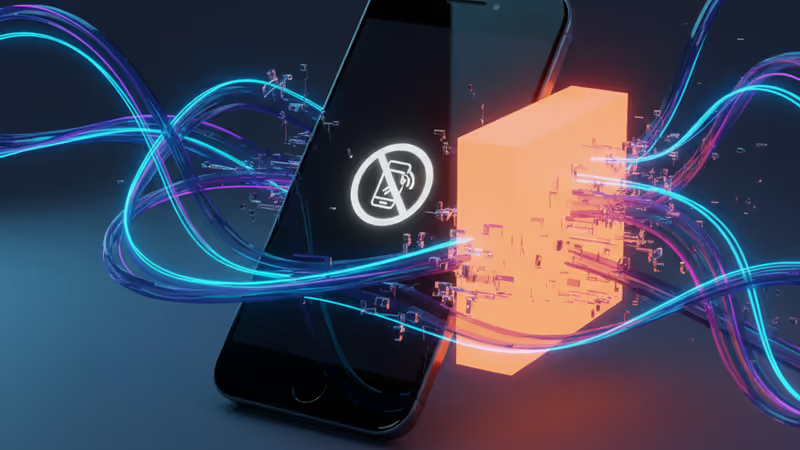
FCC Prison Cell Phone Jamming Controversy 2026: Security vs. Public Safety
FCC's 2026 proposal to allow prison jamming of contraband cell phones sparks controversy. Wireless carriers warn of disrupted 911 calls and legal overreach.
Could silencing a criminal's phone also kill your 911 call? A high-stakes clash is erupting at the FCC as a new proposal aims to give state and local prisons the green light to jam contraband cell phones. While law enforcement sees a vital security tool, wireless carriers see a dangerous threat to public infrastructure.
The FCC Prison Cell Phone Jamming Proposal 2026 Debate
The proposal, championed by FCC Chairman Brendan Carr, has garnered significant support from Republican attorneys general and prison phone companies. Proponents argue that contraband phones are a primary engine for organized crime within prison walls, necessitating aggressive electronic countermeasures.
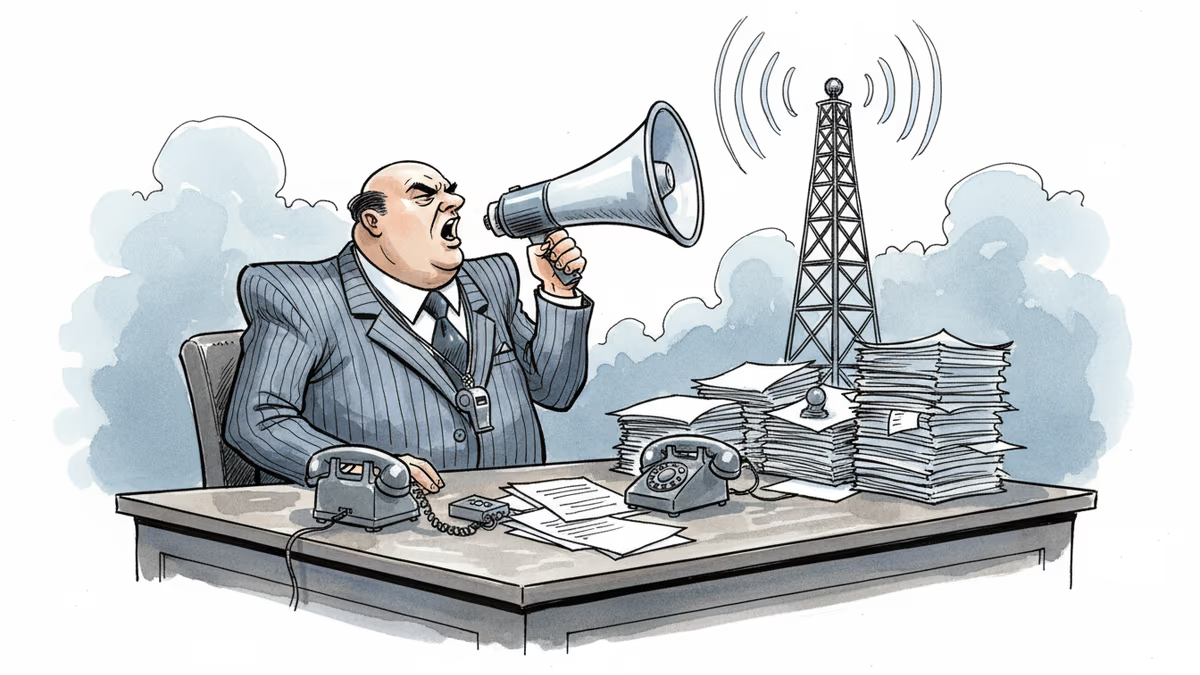
However, the wireless industry is firing back. On December 29, 2025, the CTIA—representing major carriers—submitted a scathing response. They argue that jamming is a blunt instrument that doesn't just target contraband; it blocks every signal in its path, potentially crippling 911 emergency services for the general public.

Major Carriers and Legal Hurdles
Industry giants AT&T and Verizon didn't hold back in their individual comments. AT&T described the proposed legal framework as being based on a "flawed factual premise." The CTIA went a step further, asserting that the FCC simply doesn't have the legal authority to authorize jamming that disrupts lawful communications.
The concerns extend beyond just cellular voice and data. Groups focused on Wi-Fi and GPS technologies have warned that prison jamming could interfere with critical navigation and local networking services, creating a ripple effect of technological disruption in surrounding communities.
Authors
Related Articles
Josh D'Amaro took over Disney with a bold Disney Plus vision. Days later, he's in a First Amendment fight with the Trump administration over The View. What does this mean for media freedom?
The FCC has banned new foreign-made consumer routers, citing cyberattacks linked to China. Every major brand is affected. Here's what it means for your home, your wallet, and the future of internet hardware.
The FCC has banned new imports of foreign-made consumer networking gear, citing national security. After drones, routers are next. What this means for prices, competition, and the future of connected homes.
An FCC enforcement chief privately offered to help Chairman Brendan Carr's pressure campaign against ABC—while holding direct authority over the very stations being targeted. What this reveals about regulatory independence.
Josh D'Amaro took over Disney with a bold Disney Plus vision. Days later, he's in a First Amendment fight with the Trump administration over The View. What does this mean for media freedom?
The FCC has banned new foreign-made consumer routers, citing cyberattacks linked to China. Every major brand is affected. Here's what it means for your home, your wallet, and the future of internet hardware.
The FCC has banned new imports of foreign-made consumer networking gear, citing national security. After drones, routers are next. What this means for prices, competition, and the future of connected homes.
An FCC enforcement chief privately offered to help Chairman Brendan Carr's pressure campaign against ABC—while holding direct authority over the very stations being targeted. What this reveals about regulatory independence.
Thoughts
Share your thoughts on this article
Sign in to join the conversation