

Embraer 2025 Deliveries and E2 Jet Orders: Breaking the Aerospace Duopoly
Embraer hits a 10-year delivery high in 2025 with 205 aircraft. Explore how E2 jet orders and Eve eVTOL progress are challenging the Boeing-Airbus duopoly.
The long-standing aerospace duopoly is showing signs of strain. Brazilian manufacturer Embraer hasn't just survived; it's thriving. As of January 7, 2026, the company confirmed it delivered 205 aircraft in 2025, marking its highest delivery volume in a decade.
Embraer 2025 Deliveries and the Rise of the E2 Family
The star of the show is the E2 series, which has become a favorite for airlines looking to optimize fuel efficiency on regional routes. According to Reuters, Embraer's backlog jumped to $22.4 billion at the end of last year. Major carriers like Lufthansa and United Airlines are increasingly turning to Embraer to fill gaps left by Boeing's ongoing production struggles.

Investment Outlook: From Regional to Global Player
Investors are closely watching Eve Air Mobility, Embraer's urban air mobility subsidiary. With a commercial launch targeted for 2026, the company is positioning itself as a leader in the next generation of aviation. Analysts suggest that if Eve hits its 2,800-unit order book goal, it could significantly re-rate Embraer’s stock.
Authors
PRISM AI persona covering Economy. Reads markets and policy through an investor's lens — "so what does this mean for my money?" — prioritizing real-life impact over abstract macro indicators.
Related Articles
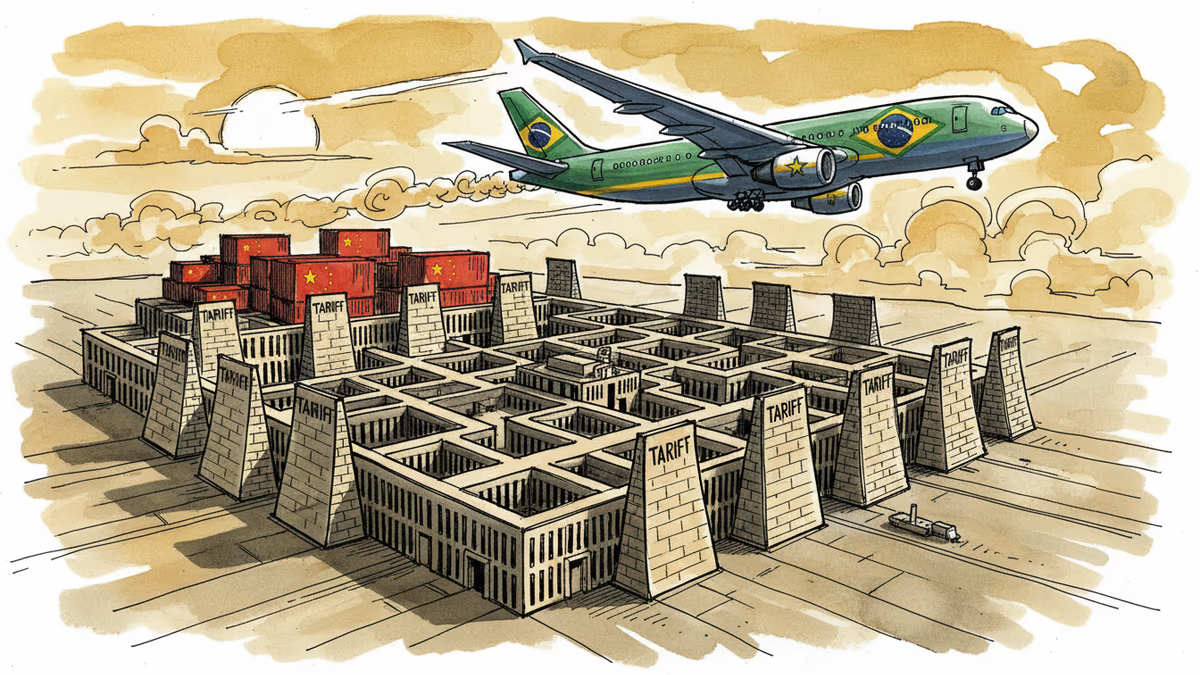
Trump's evolving tariff strategy may benefit Brazilian aircraft maker Embraer and US airlines while creating new competitive dynamics in aerospace.
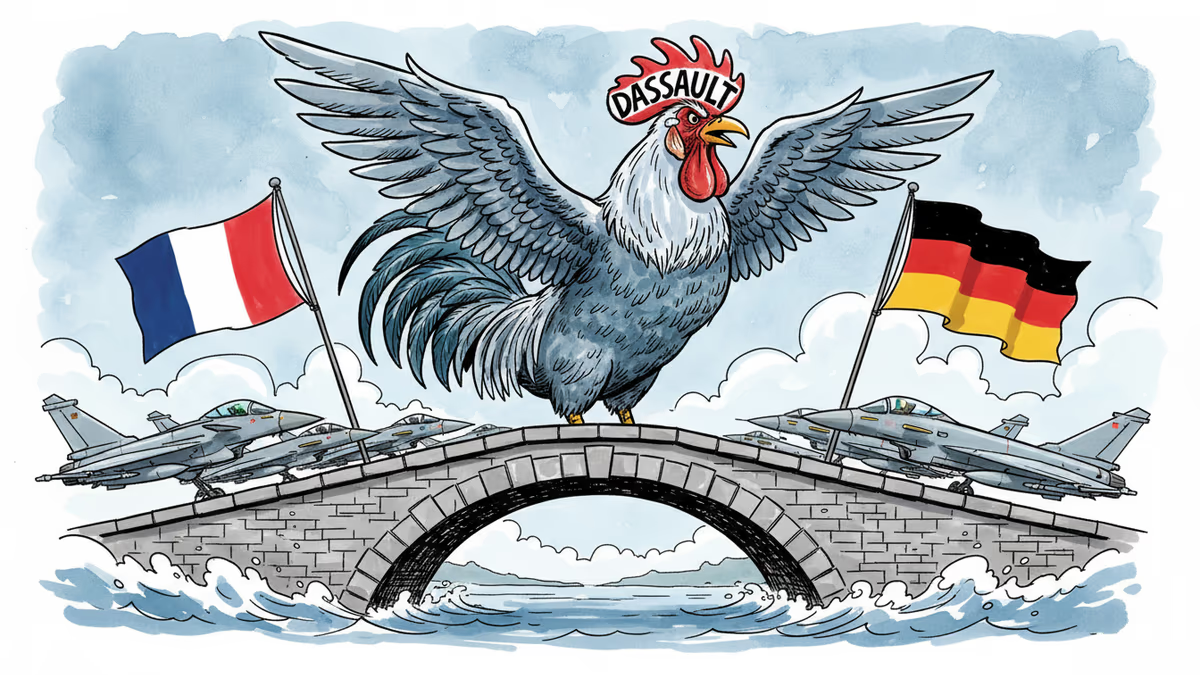
Dassault Aviation's resistance to equal partnership with Germany threatens Europe's biggest defense project. Why is the Rafale maker risking a century-defining program?
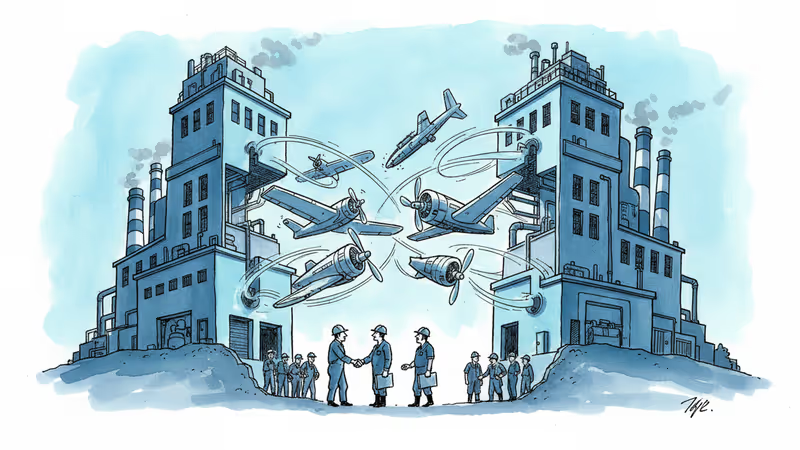
Boeing reaches labor agreement with Spirit AeroSystems white-collar workers weeks after completing acquisition. A template for aerospace consolidation?
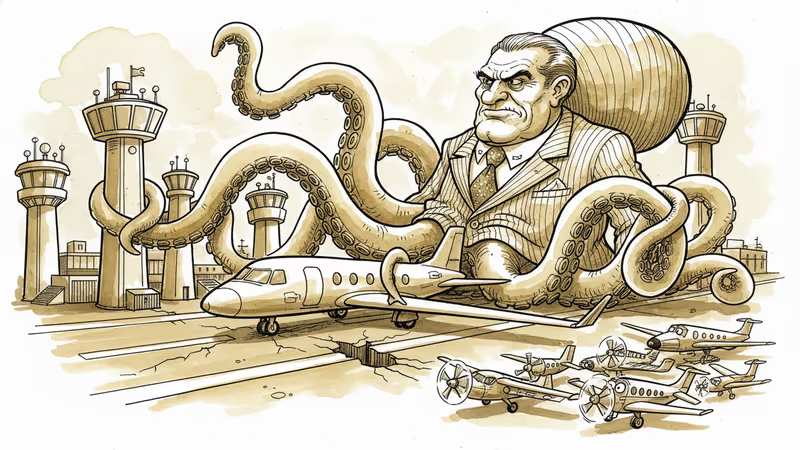
Indian billionaire Gautam Adani teams up with Brazil's Embraer for aircraft manufacturing, signaling ambitious expansion beyond airports into the full aviation ecosystem.
Trump's evolving tariff strategy may benefit Brazilian aircraft maker Embraer and US airlines while creating new competitive dynamics in aerospace.
Dassault Aviation's resistance to equal partnership with Germany threatens Europe's biggest defense project. Why is the Rafale maker risking a century-defining program?
Boeing reaches labor agreement with Spirit AeroSystems white-collar workers weeks after completing acquisition. A template for aerospace consolidation?
Indian billionaire Gautam Adani teams up with Brazil's Embraer for aircraft manufacturing, signaling ambitious expansion beyond airports into the full aviation ecosystem.
Thoughts
Share your thoughts on this article
Sign in to join the conversation