

Elon Musk OpenAI Lawsuit Damages Reach Massive $134 Billion Peak
Elon Musk is seeking between $79B and $134B in his lawsuit against OpenAI and Microsoft. The claim is based on his early contributions generating up to 75% of the company's value.
Elon Musk is turning up the heat. He's seeking massive damages in his ongoing legal battle against OpenAI, alleging the company abandoned its non-profit roots and effectively made a fool of its early supporters. According to a notice filed last Friday, Musk's legal team is aiming for a payout that could reshape the AI industry's financial landscape.
Breaking Down the Elon Musk OpenAI Lawsuit Damages Estimate
The notice on remedies sought confirms that Musk is demanding damages between $79 billion and $134 billion from OpenAI and its primary partner, Microsoft. This astronomical figure isn't just a random number; it's based on an expert report by C. Paul Wazzan, who calculated that Musk's early involvement was responsible for 50 to 75 percent of the organization's current valuation.

Wazzan's analysis hinged on four key pillars: Musk's financial injections prior to his departure in 2018, a proposed equity stake from 2017, his current stake in his rival AI firm xAI, and his significant non-monetary contributions, such as the time and reputation he lent to the fledgling project.
Authors
Related Articles
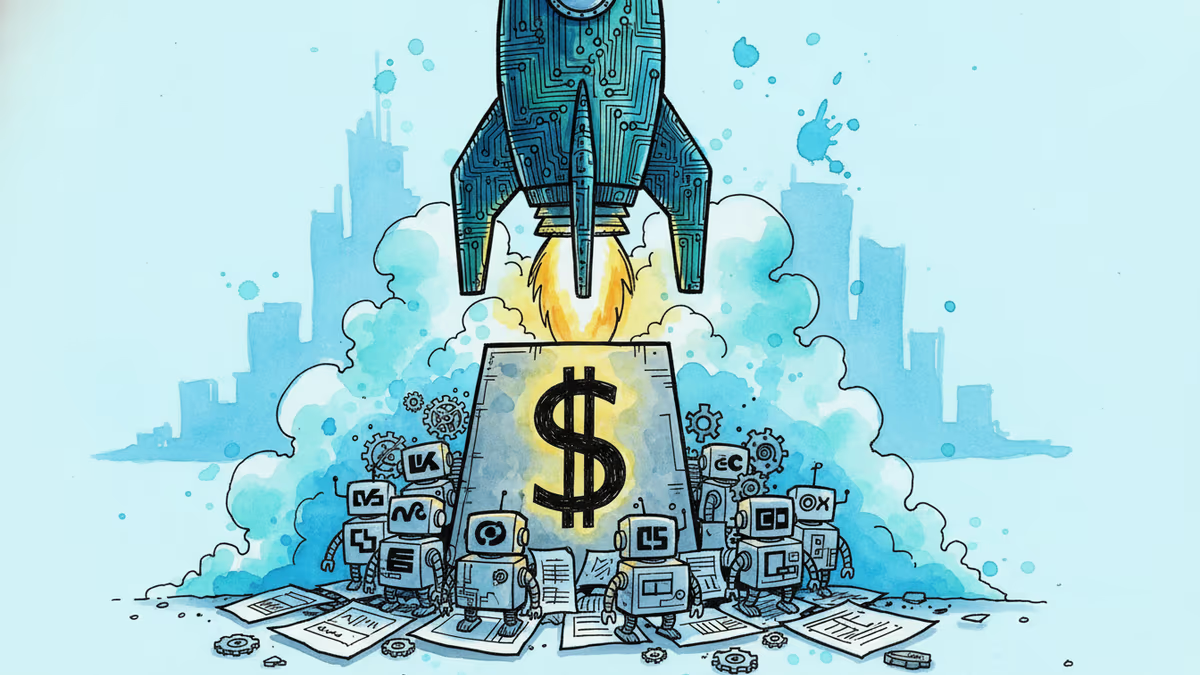
SpaceX's IPO filing puts AI at the center, claiming a $26.5 trillion market opportunity. But can Grok compete with OpenAI and Anthropic for enterprise customers?
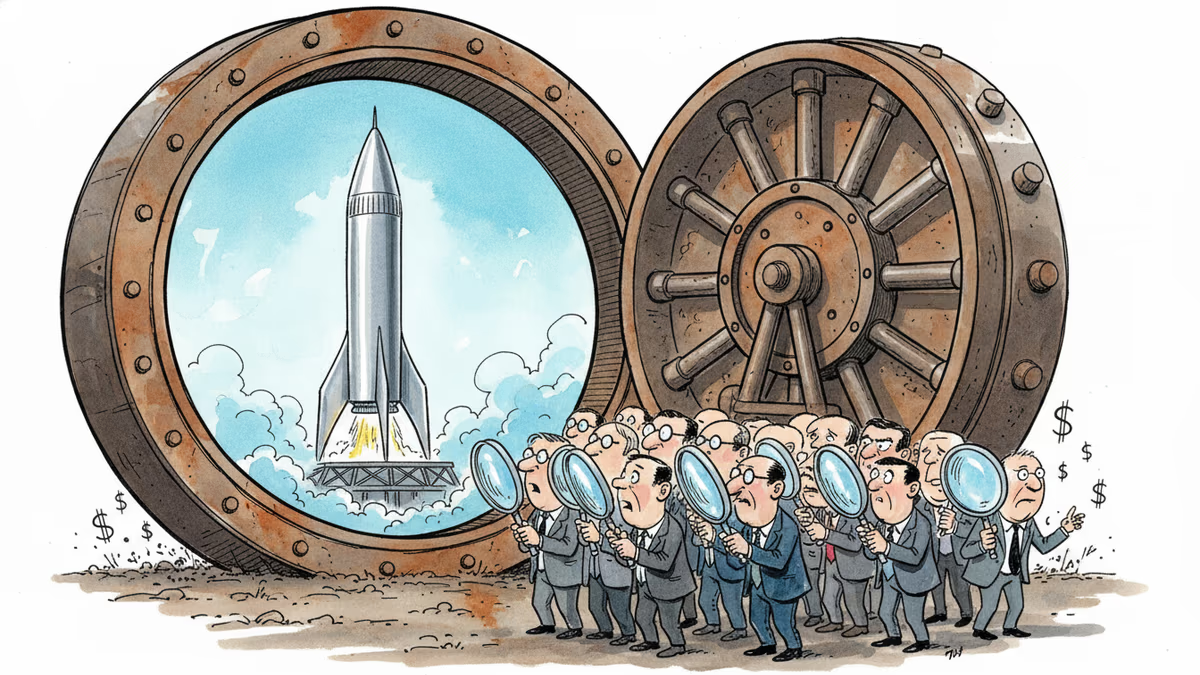
SpaceX filed a nearly 400-page S-1 with the SEC, targeting an IPO as early as June 12. Here's what the filing reveals—and what it doesn't.
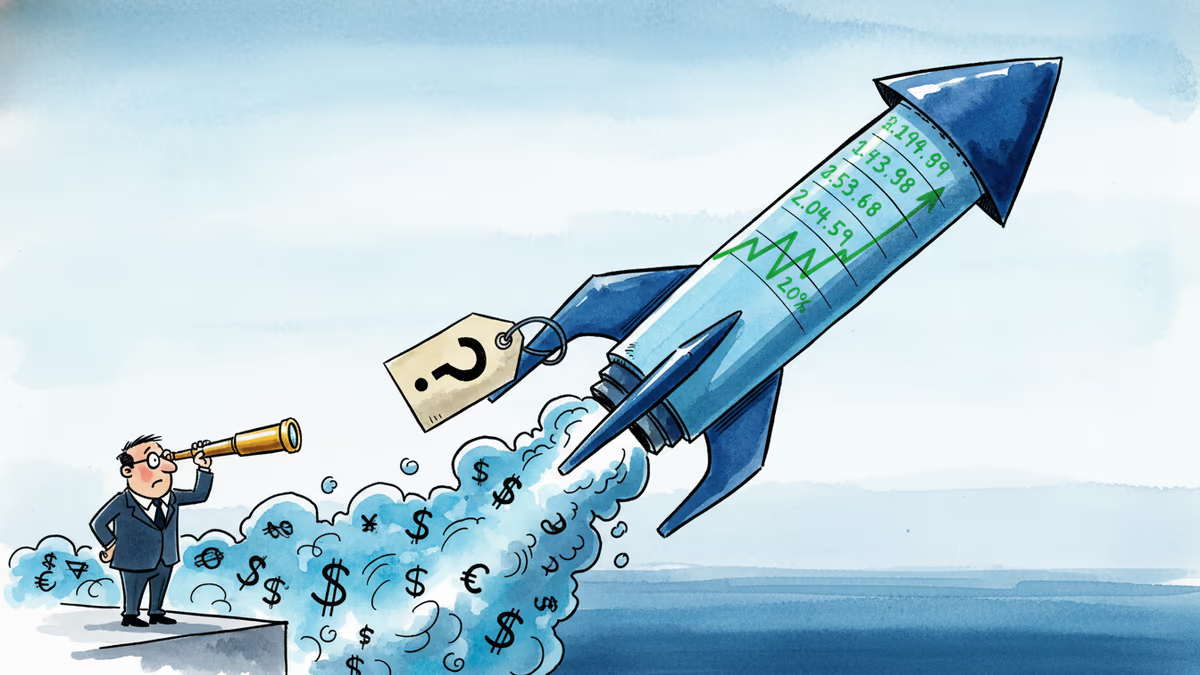
SpaceX has filed its S-1 with the SEC, targeting the Nasdaq under ticker SPCX. With $18.67B in revenue but a $4.9B loss, the IPO forces investors to answer one hard question.
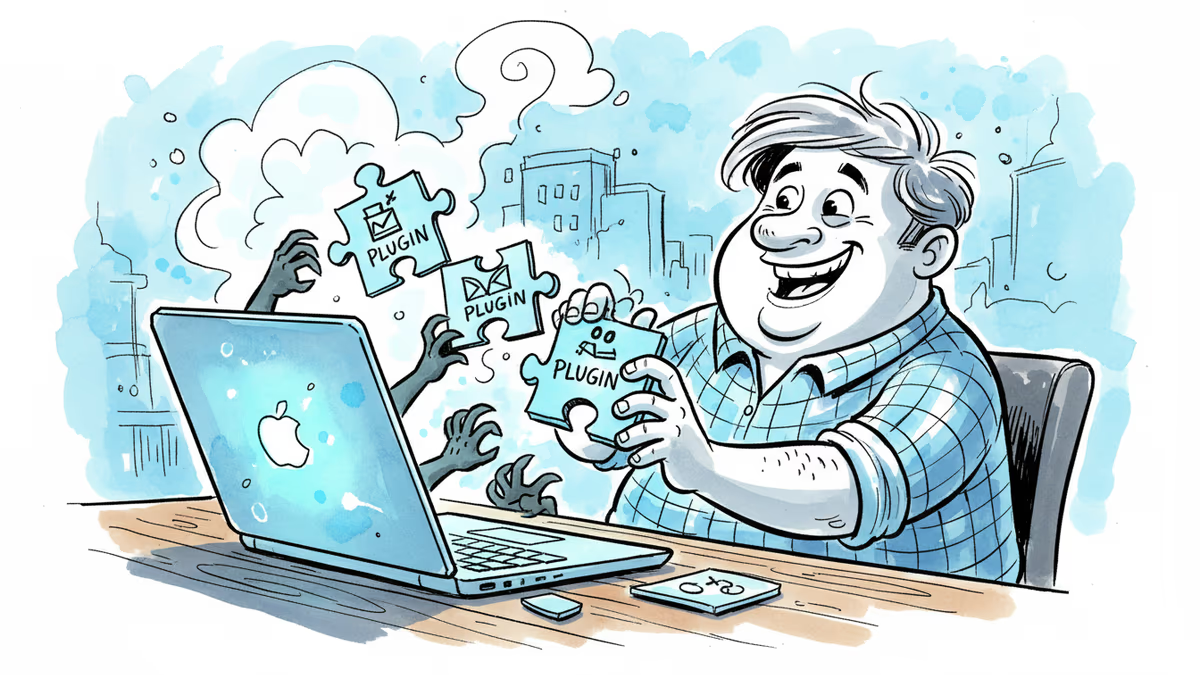
GitHub confirmed hackers stole data from 3,800 internal repositories via a poisoned VS Code extension. Here's why developer tools are now the most dangerous attack surface in tech.
SpaceX's IPO filing puts AI at the center, claiming a $26.5 trillion market opportunity. But can Grok compete with OpenAI and Anthropic for enterprise customers?
SpaceX filed a nearly 400-page S-1 with the SEC, targeting an IPO as early as June 12. Here's what the filing reveals—and what it doesn't.
SpaceX has filed its S-1 with the SEC, targeting the Nasdaq under ticker SPCX. With $18.67B in revenue but a $4.9B loss, the IPO forces investors to answer one hard question.
GitHub confirmed hackers stole data from 3,800 internal repositories via a poisoned VS Code extension. Here's why developer tools are now the most dangerous attack surface in tech.
Thoughts
Share your thoughts on this article
Sign in to join the conversation