
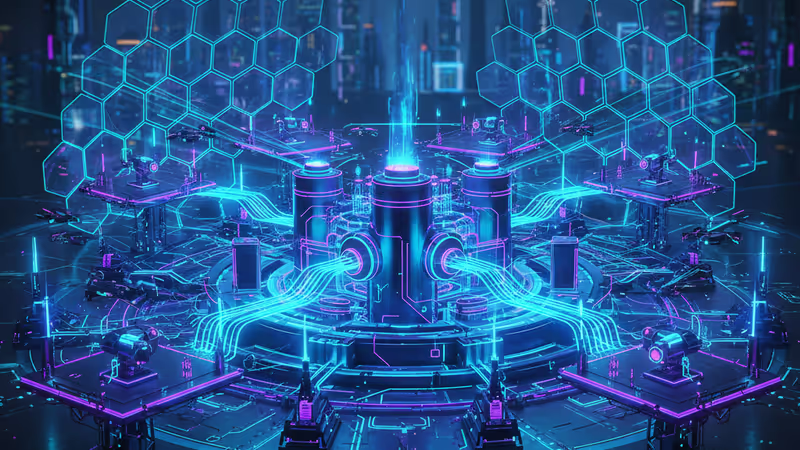
2026 Breakthrough Climate Technologies: Powering the Future While Guarding Privacy
Explore the 2026 breakthrough climate technologies, from sodium-ion batteries to nuclear power, and the rising fight against digital surveillance by Citizen Lab.
Three technologies are about to change how we power the planet. As we enter 2026, the race for sustainable energy has reached a fever pitch. MIT Technology Review has released its 25th annual list of breakthrough technologies, highlighting sodium-ion batteries and next-generation nuclear as the keys to a cleaner future.
2026 Breakthrough Climate Technologies: A Shift in Energy
The energy landscape is shifting fast. Sodium-ion batteries are emerging as a cheaper, more abundant alternative to lithium. Meanwhile, AI giants are betting big on next-gen nuclear to feed their power-hungry hyperscale data centers. On January 28, experts will gather for a roundtable to discuss why this pivot is happening now and what it means for the global climate agenda.
Digital Surveillance: The Man Hunting Smartphone Spies

While climate tech advances, digital privacy is under siege. Ronald Deibert, founder of Citizen Lab, treats every trip like a mission into enemy territory. In April 2025, he had to leave his electronics behind to avoid surveillance. For over 20 years, his team has exposed digital abuses, and they're now warning that even liberal democracies are failing to meet the standards of privacy they once championed.
AI Geopolitics and Corporate Accountability
The geopolitical stakes are rising. The Trump administration is imposing tariffs on high-end chips, while China's Zhipu AI claims to have trained models using only domestic hardware. At the same time, the Science Based Targets initiative (SBTi) is facing scrutiny as it becomes the sole arbiter of corporate climate action, raising questions about whether one group should set the rules for the world's largest companies.
Authors
Related Articles
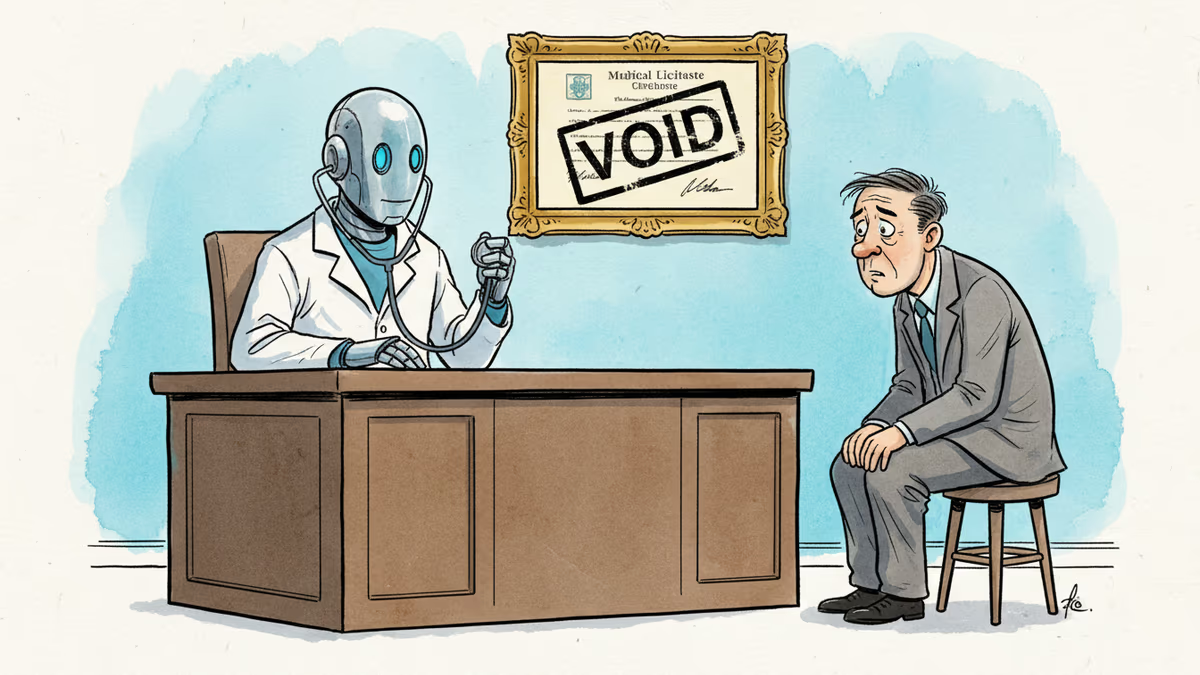
Pennsylvania has sued Character.AI after its chatbot characters claimed to be licensed psychiatrists and provided mental health advice. The case tests whether existing medical law can hold AI platforms accountable.
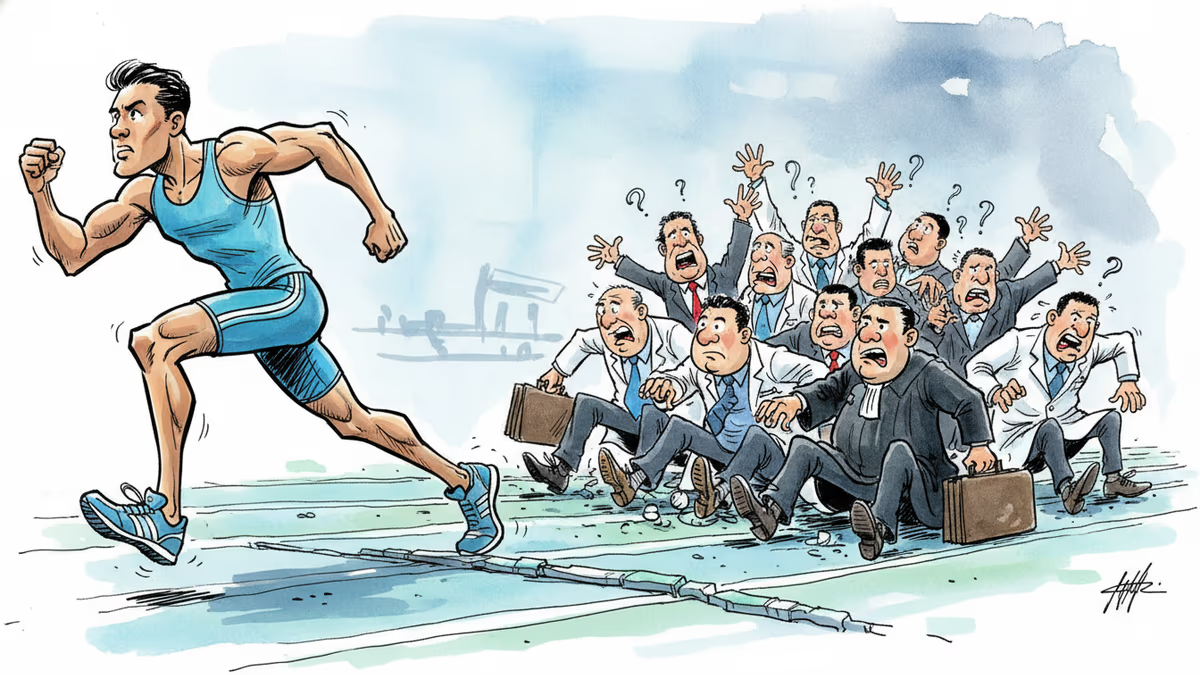
Stanford's 2026 AI Index reveals AI adoption outpacing PCs and the internet, junior dev jobs falling 20%, and the benchmarks we use to measure AI progress are broken. Here's what the data actually says.

Microsoft, Amazon, and OpenAI have all launched medical AI tools in recent months—with minimal external evaluation. What's at stake when Big Tech moves fast in healthcare?
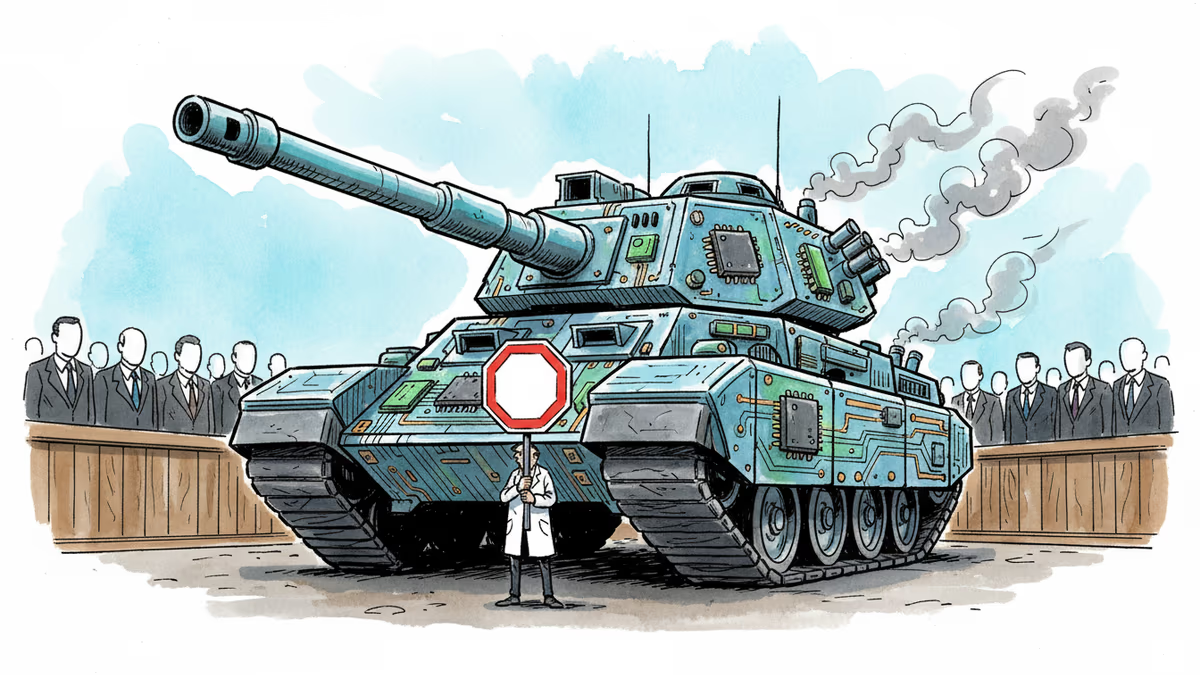
Anthropic is fighting back after the Trump administration blacklisted it for limiting military use of its AI. The battle has reached Congress—and it's rewriting the rules of civil-military AI.
Pennsylvania has sued Character.AI after its chatbot characters claimed to be licensed psychiatrists and provided mental health advice. The case tests whether existing medical law can hold AI platforms accountable.
Stanford's 2026 AI Index reveals AI adoption outpacing PCs and the internet, junior dev jobs falling 20%, and the benchmarks we use to measure AI progress are broken. Here's what the data actually says.
Microsoft, Amazon, and OpenAI have all launched medical AI tools in recent months—with minimal external evaluation. What's at stake when Big Tech moves fast in healthcare?
Anthropic is fighting back after the Trump administration blacklisted it for limiting military use of its AI. The battle has reached Congress—and it's rewriting the rules of civil-military AI.
Thoughts
Share your thoughts on this article
Sign in to join the conversation