
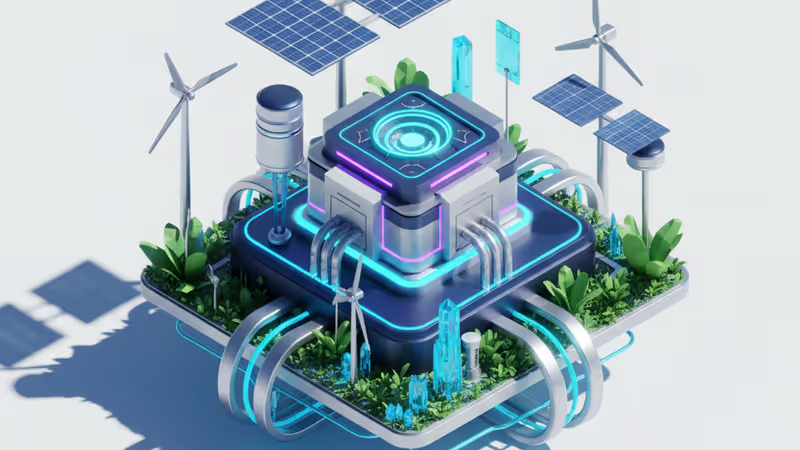
Next-generation nuclear reactors 2026: Ditching the 20th-century blueprint for a greener future
Explore how next-generation nuclear reactors in 2026 are rewriting the energy playbook while data centers face local backlash and Iran jams Starlink.
The energy landscape is shifting as climate change forces a radical rethink of how we power our world. Next-generation nuclear reactors are finally breaking free from their 20th-century design shackles to offer a faster, cleaner path to energy independence.
Next-Gen Nuclear: Beyond the Old Playbook
Commercial nuclear power's popularity has surged lately. Concerns about meltdowns have been eclipsed by the urgent need for greenhouse gas reductions. However, building traditional plants is famously slow and expensive. That's why next-gen nuclear is one of MIT Technology Review's10 Breakthrough Technologies for 2026.
These new designs aren't just incremental updates; they reinvent how reactors look and function. Advocates believe this technology can replace fossil fuels without the massive overhead of previous generations. It's not just about power—it's about a complete industry refresh.
The Data Center Backlash: Wonders Under Fire

Hyperscale data centers are engineering marvels, yet they've become lightning rods for public anger. From Virginia to Georgia, locals are pushing back against the massive water and electricity consumption these facilities require.
In response, Microsoft has promised to help lower energy bills for residents, marking a shift in how tech giants handle community relations. As AI demands more power, the tension between digital progress and local sustainability is reaching a boiling point.
Global Tech Must-Reads
- Authorities in Iran are systematically crippling Starlink, despite its reputation for being unjammable.
- US emissions jumped last year due to coal burning, while China and India finally saw a decline in coal power generation.
- Africa is positioned as a future AI player, but researchers warn that infrastructure hurdles could hold the continent back.
Authors
Related Articles
American Airlines just signed Starlink for 500+ aircraft. It's not just about faster inflight internet — it's a calculated move in the run-up to what could be the largest IPO in history.
SpaceX's upgraded Starship V3 completed its first test flight, deploying 20 Starlink simulators but losing the Super Heavy booster. With an IPO weeks away, the stakes just got higher.
SpaceX filed a nearly 400-page S-1 with the SEC, targeting an IPO as early as June 12. Here's what the filing reveals—and what it doesn't.
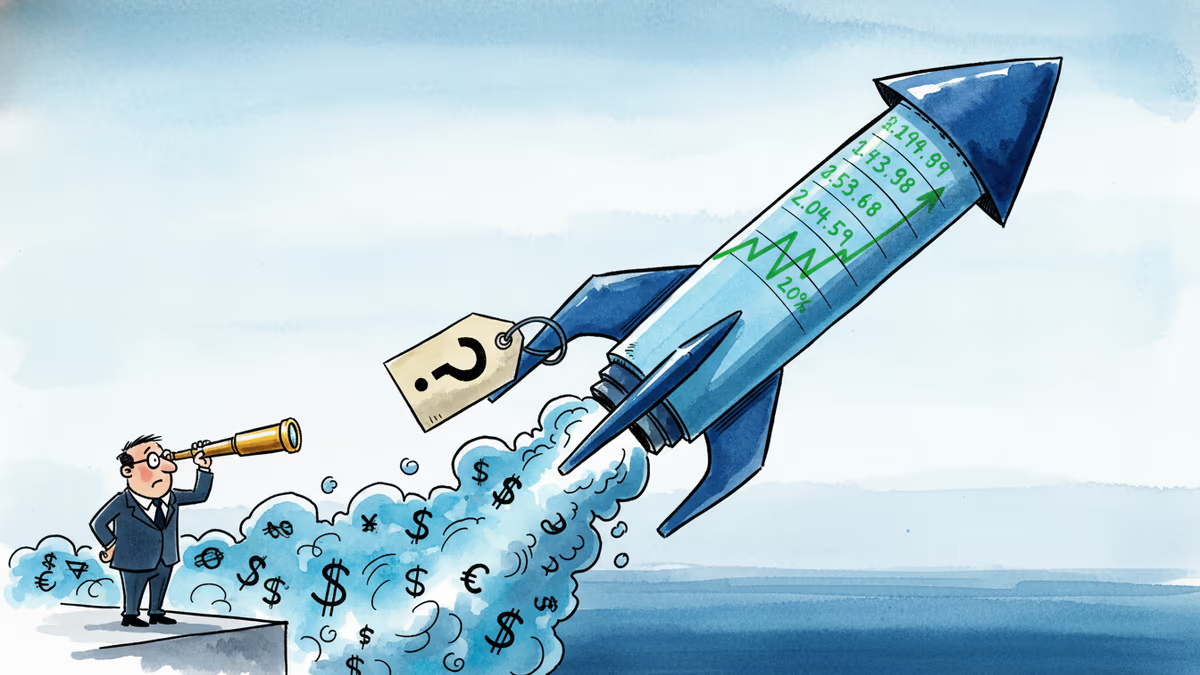
SpaceX has filed its S-1 with the SEC, targeting the Nasdaq under ticker SPCX. With $18.67B in revenue but a $4.9B loss, the IPO forces investors to answer one hard question.
American Airlines just signed Starlink for 500+ aircraft. It's not just about faster inflight internet — it's a calculated move in the run-up to what could be the largest IPO in history.
SpaceX's upgraded Starship V3 completed its first test flight, deploying 20 Starlink simulators but losing the Super Heavy booster. With an IPO weeks away, the stakes just got higher.
SpaceX filed a nearly 400-page S-1 with the SEC, targeting an IPO as early as June 12. Here's what the filing reveals—and what it doesn't.
SpaceX has filed its S-1 with the SEC, targeting the Nasdaq under ticker SPCX. With $18.67B in revenue but a $4.9B loss, the IPO forces investors to answer one hard question.
Thoughts
Share your thoughts on this article
Sign in to join the conversation