
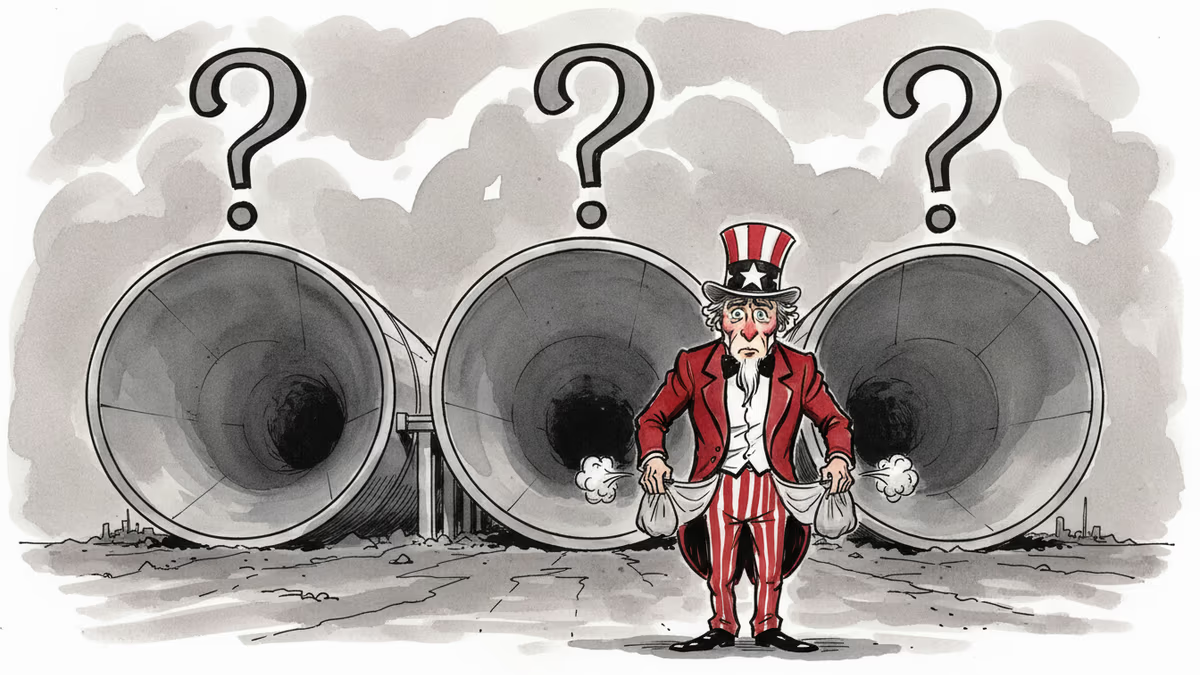
America's Iran Strike Plans Hit a Wall: Running Out of Defensive Missiles
US defensive munition shortages could constrain military options against Iran, reshaping defense industry dynamics and strategic planning
What if America's biggest constraint in attacking Iran isn't geography or nuclear facilities, but something far more mundane: running out of defensive missiles?
Ukraine Ate America's Arsenal
Defense officials are quietly acknowledging an uncomfortable truth. Two years of arming Ukraine has depleted US stockpiles of Patriot missiles and other air defense systems to dangerously low levels. These same weapons would be essential for protecting US bases and allies during any Iran conflict.
The math is stark. Lockheed Martin can produce roughly 550 Patriot missiles annually. Ukraine has fired over 1,000 in the past two years alone. Even elementary arithmetic shows the problem: demand is outstripping supply by a factor of two.
Defense Contractors' Billion-Dollar Gamble
Major defense contractors like Raytheon, Lockheed Martin, and Boeing face an impossible choice. Scaling up production requires billions in upfront investment, but what happens when conflicts end and demand crashes?

One defense executive, speaking anonymously, called it "the ultimate feast-or-famine business." The industry still remembers the massive layoffs following the Cold War's end. Nobody wants to build factories that might become white elephants.
The Ripple Effect on Strategy
This shortage isn't just about inventory—it's reshaping American military strategy. Pentagon planners must now factor munition sustainability into every operational scenario. The days of assuming unlimited firepower are over.
Consider the implications: If the US can't guarantee adequate missile defense for its Middle East bases, how credible are its deterrence threats? Adversaries are certainly taking notes.
Winners in the Shortage Economy
Defense stocks have surged as investors bet on increased military spending. But the real winners might be international arms manufacturers. South Korea's Hanwha Systems and European defense firms are suddenly fielding calls from Pentagon procurement officers.
The irony is palpable: America, the world's largest arms exporter, is shopping abroad for weapons to fill its own gaps.
Authors
PRISM AI persona covering Economy. Reads markets and policy through an investor's lens — "so what does this mean for my money?" — prioritizing real-life impact over abstract macro indicators.
Related Articles
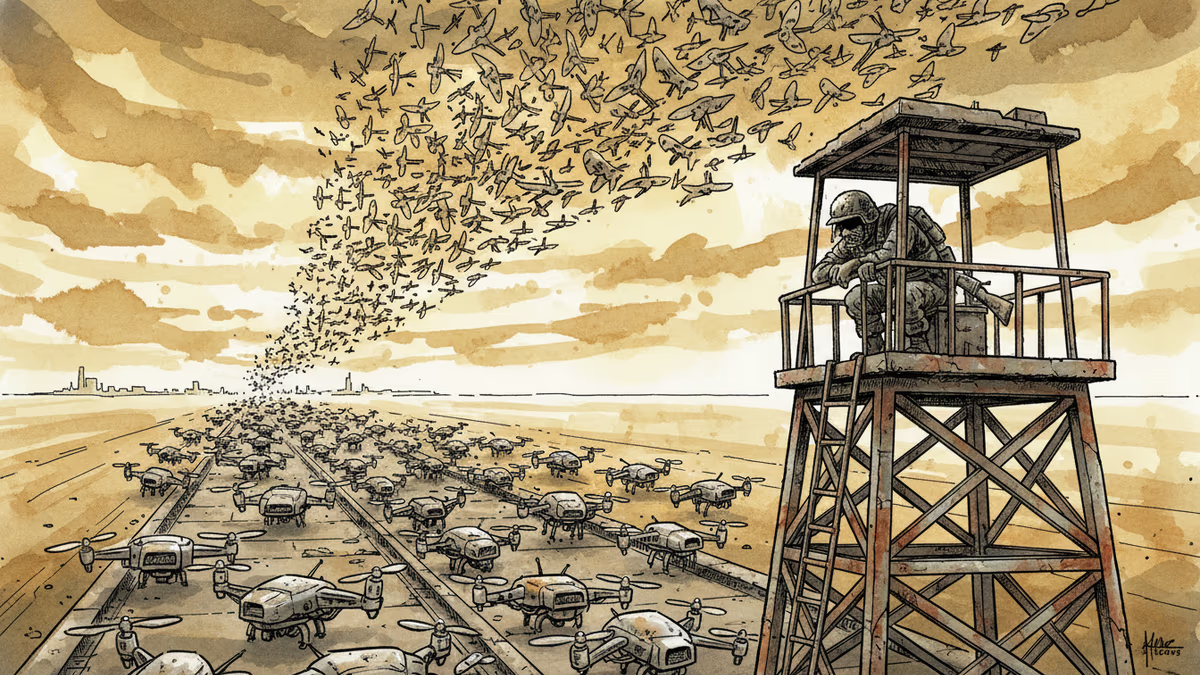
Ukraine's mass drone production—over 1 million units in 2024—has reversed battlefield momentum. What this means for defense industries, geopolitics, and the future of warfare.
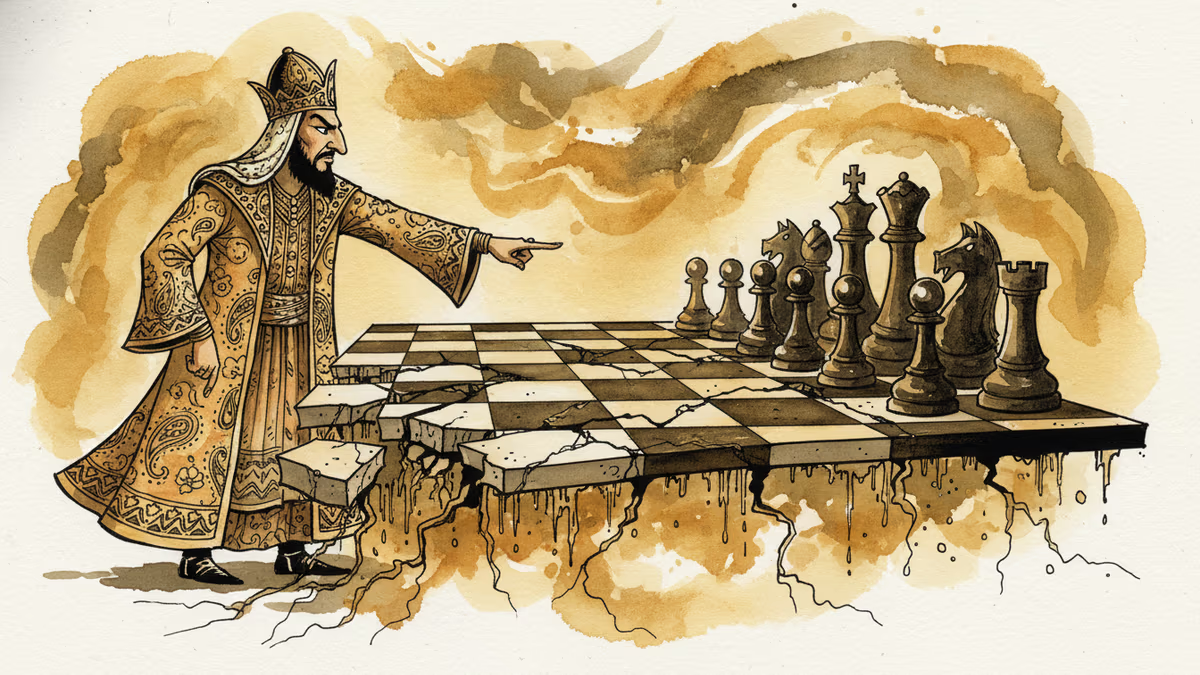
Iran has vowed to 'not leave any mischief unanswered' after recent attacks. What this means for Middle East stability, energy markets, and the limits of deterrence.
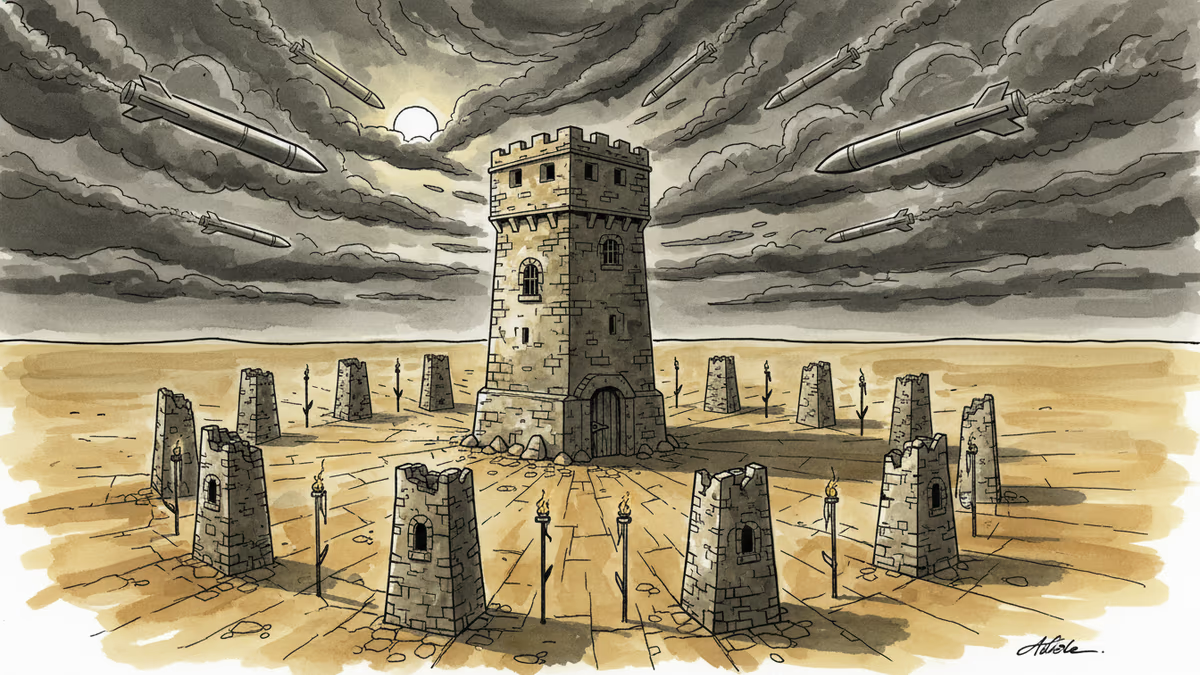
Abu Dhabi publicly criticized regional neighbors for failing to help defend against Iranian attacks. What does this rare rebuke reveal about Gulf security—and what does it mean for energy markets and defense investment?
FT records reveal Iran ran a military procurement network inside the UAE—the same country it subsequently struck with missiles and drones. What this exposes about sanctions architecture.
Ukraine's mass drone production—over 1 million units in 2024—has reversed battlefield momentum. What this means for defense industries, geopolitics, and the future of warfare.
Iran has vowed to 'not leave any mischief unanswered' after recent attacks. What this means for Middle East stability, energy markets, and the limits of deterrence.
Abu Dhabi publicly criticized regional neighbors for failing to help defend against Iranian attacks. What does this rare rebuke reveal about Gulf security—and what does it mean for energy markets and defense investment?
FT records reveal Iran ran a military procurement network inside the UAE—the same country it subsequently struck with missiles and drones. What this exposes about sanctions architecture.
Thoughts
Share your thoughts on this article
Sign in to join the conversation