
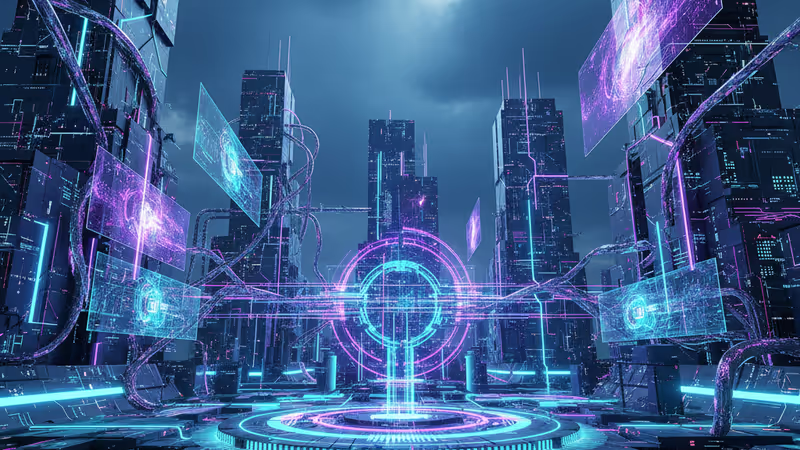
DeepSeek V3 R1 AI Model Updates: Technical Resilience Amid Chip Shortages
DeepSeek continues to tease its V3 and R1 AI model updates through technical papers while launch dates remain unconfirmed amidst semiconductor sanctions.
China's DeepSeek is playing a high-stakes game of hide-and-seek. While the firm's dropping technical papers at a rapid clip, the actual launch dates for its highly anticipated V3 and R1 updates remain a mystery.
Navigating Sanctions with DeepSeek V3 R1 AI Model Updates
According to analysts, the recent publications underscore DeepSeek's efforts to fortify China's AI infrastructure. It's happening at a critical time when geopolitical tensions and domestic production hurdles have restricted access to advanced semiconductors. The papers focus on squeezing more performance out of existing hardware through architectural innovation.

The technical papers reflect a pragmatic shift in China's AI strategy: if you can't access the best chips, you must build more efficient software.
The wait for V3 and R1 continues to fuel speculation about the actual state of China's domestic AI capabilities. By improving the underlying systems, DeepSeek aims to maintain its competitive edge even as global export controls tighten.
Authors
Related Articles
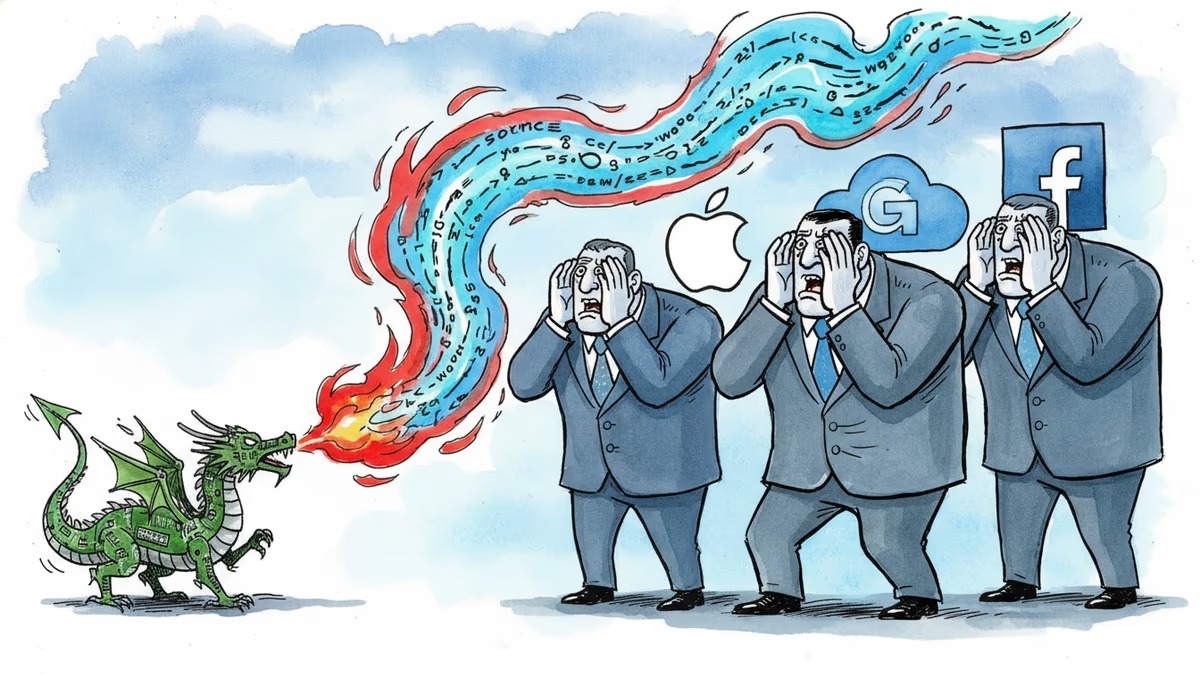
Moonshot AI raised $2B at a $20B valuation. Its Kimi models rank second on OpenRouter. What China's open-weight AI surge means for the global LLM market.
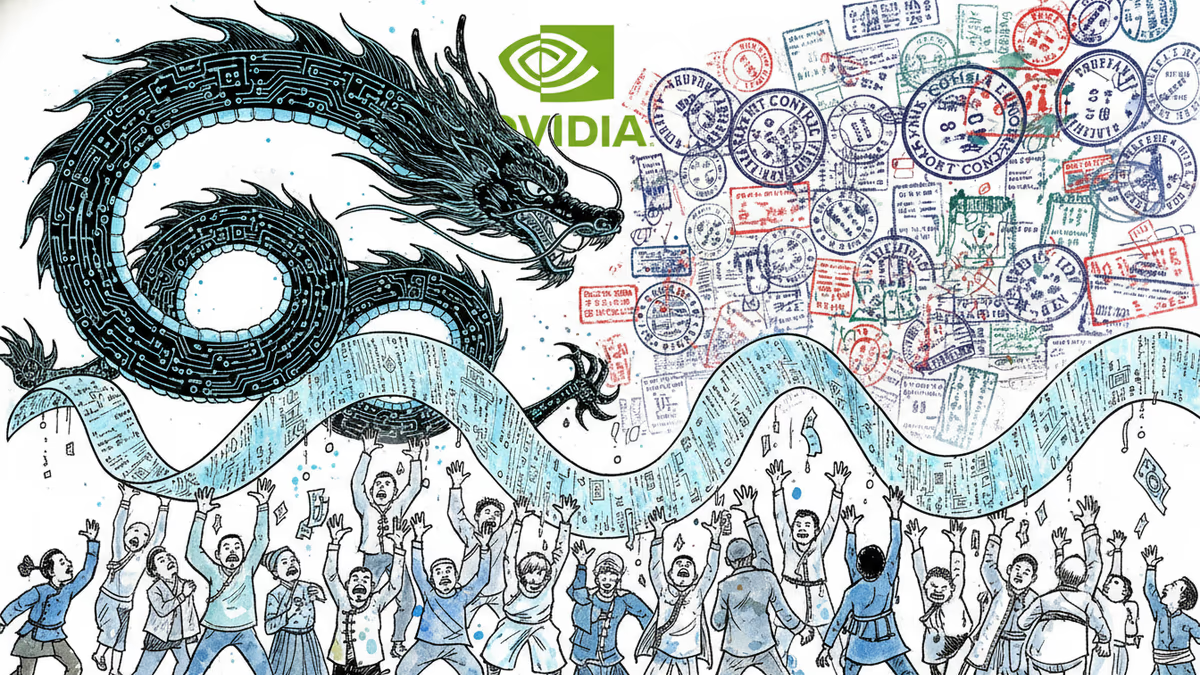
DeepSeek's V4 won't replicate the R1 shock—but it redraws the open-source AI map on pricing, long-context efficiency, and China's push to ditch Nvidia. Here's what's worth watching.
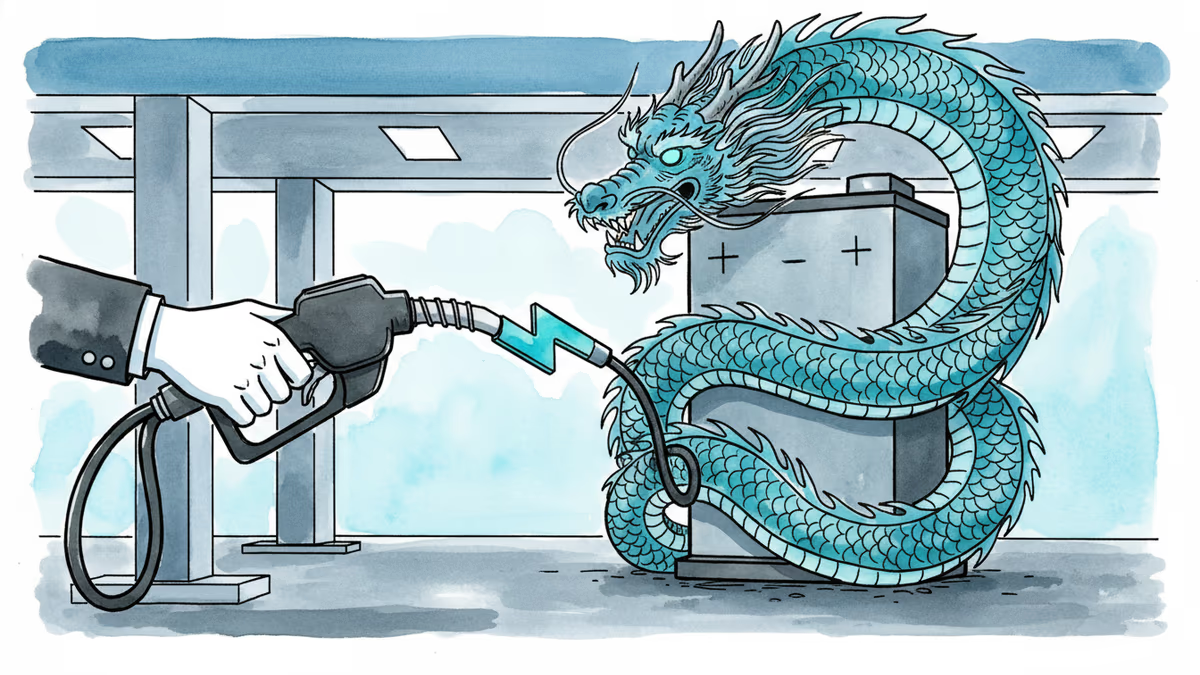
CATL's third-gen Shenxing LFP battery claims charging speeds nearly 5x faster than Hyundai or Porsche's best 800V systems. Here's what that really means.
China's NEO brain implant is now a legally sold medical device — the world's first commercial BCI. What this means for Neuralink, global regulators, and the future of human-machine interfaces.
Moonshot AI raised $2B at a $20B valuation. Its Kimi models rank second on OpenRouter. What China's open-weight AI surge means for the global LLM market.
DeepSeek's V4 won't replicate the R1 shock—but it redraws the open-source AI map on pricing, long-context efficiency, and China's push to ditch Nvidia. Here's what's worth watching.
CATL's third-gen Shenxing LFP battery claims charging speeds nearly 5x faster than Hyundai or Porsche's best 800V systems. Here's what that really means.
China's NEO brain implant is now a legally sold medical device — the world's first commercial BCI. What this means for Neuralink, global regulators, and the future of human-machine interfaces.
Thoughts
Share your thoughts on this article
Sign in to join the conversation