
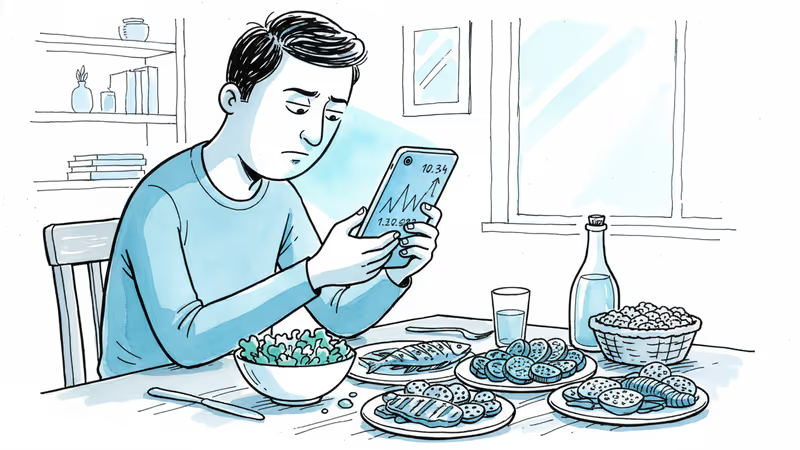
Why Everyone's Eating Like a Diabetic Now
Over-the-counter glucose monitors are transforming weight management. Explore how real-time blood sugar tracking is reshaping personalized health.
One in three Americans is at risk for developing type 2 diabetes, with 7 million people walking around undiagnosed. But here's the twist: the tools diabetics use to manage their condition are now helping everyone else lose weight.
The Prescription-Free Revolution
Continuous glucose monitors (CGMs) like Abbott's Lingo and Dexcom's Stelo used to require a doctor's prescription. Now you can order them on Amazon. These small sensors stick to your arm and track blood sugar 24/7, sending real-time data to your smartphone.
Signos takes this further, partnering with Dexcom to offer an AI-powered weight management platform. For a monthly subscription, you get two sensors (replaced every two weeks) plus personalized insights about how different foods and activities affect your glucose levels.
The Diabetic Diet Advantage
Turns out, eating like a diabetic isn't a bad strategy for anyone. The principles are simple: prioritize lean protein, load up on fiber-rich vegetables, exercise regularly, and avoid blood sugar spikes. It's essentially a Mediterranean or DASH diet—both proven for healthy weight loss.
Dr. Diane Stadler, a registered dietitian at Oregon Health & Science University, is enthusiastic about the technology. "I'm a strong proponent of using technology to increase the amount of information people can handle to make better lifestyle changes," she explains. About 90% of her graduate students approve of patients getting this data.

Personal Metabolism Revealed
Real-time glucose monitoring reveals fascinating personal patterns. Stress sends blood sugar soaring. PMS causes glucose spikes—explaining those salt and sugar cravings. Individual foods affect people differently, making personalized nutrition possible.
Unlike following generic diet plans, CGMs provide immediate feedback. Eat cottage cheese instead of Raisin Bran, and watch your morning glucose stay stable. Take a post-meal walk, and see spikes flatten within minutes. These aren't revolutionary concepts, but seeing the data makes them stick.
The Mental Labor Problem
There's a catch: the constant tracking can become overwhelming. Logging every meal, correcting AI food recognition errors, and monitoring numbers throughout the day adds significant mental labor. One user found herself arguing with the app about whether she'd eaten 35 peanuts (the app's minimum estimate) instead of talking to her family at dinner.
This raises questions about sustainability. How much self-monitoring is helpful versus obsessive? The technology works, but it demands attention and consistency that not everyone can maintain long-term.
Market Implications
The shift from prescription-only to consumer-available CGMs represents a $10 billion opportunity in the wellness market. Companies like Abbott, Dexcom, and emerging players like Signos are betting that glucose monitoring will become as common as step counting.
Traditional weight loss programs face disruption from this data-driven approach. Why follow generic meal plans when you can see exactly how your body responds to specific foods? The personalization potential extends beyond weight loss to athletic performance, energy optimization, and preventive health.
Authors
Related Articles
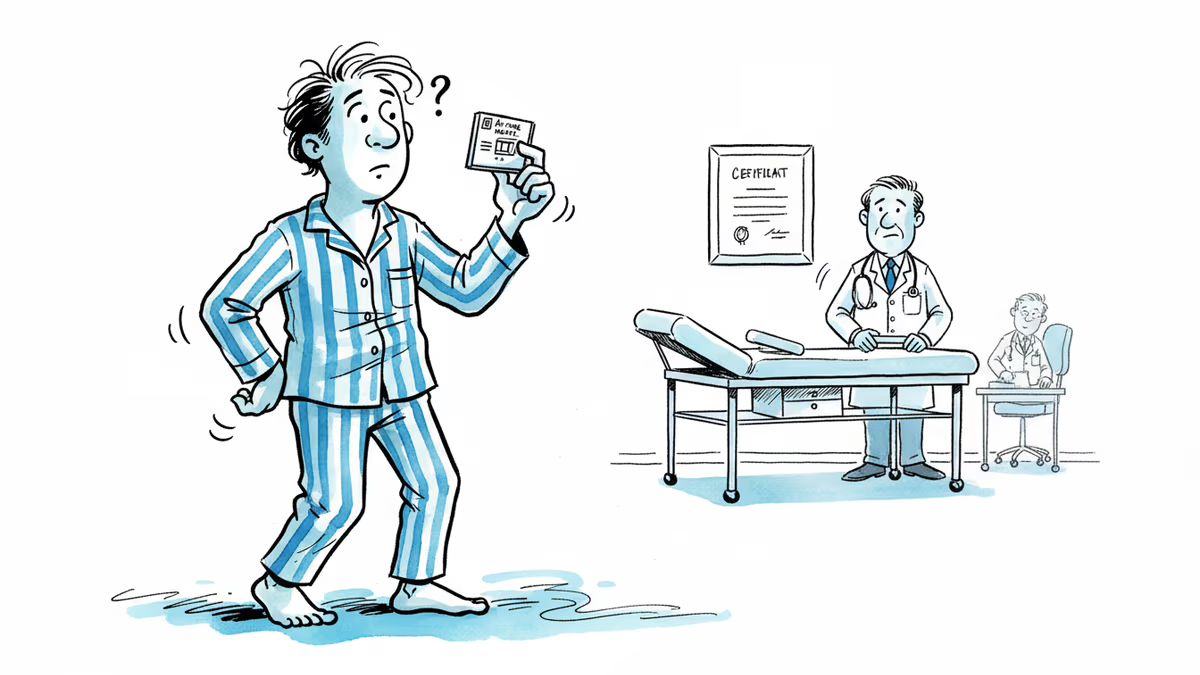
At-home STI tests promise convenience and privacy, but are they replacing traditional healthcare or creating new blind spots? We examine the trade-offs.
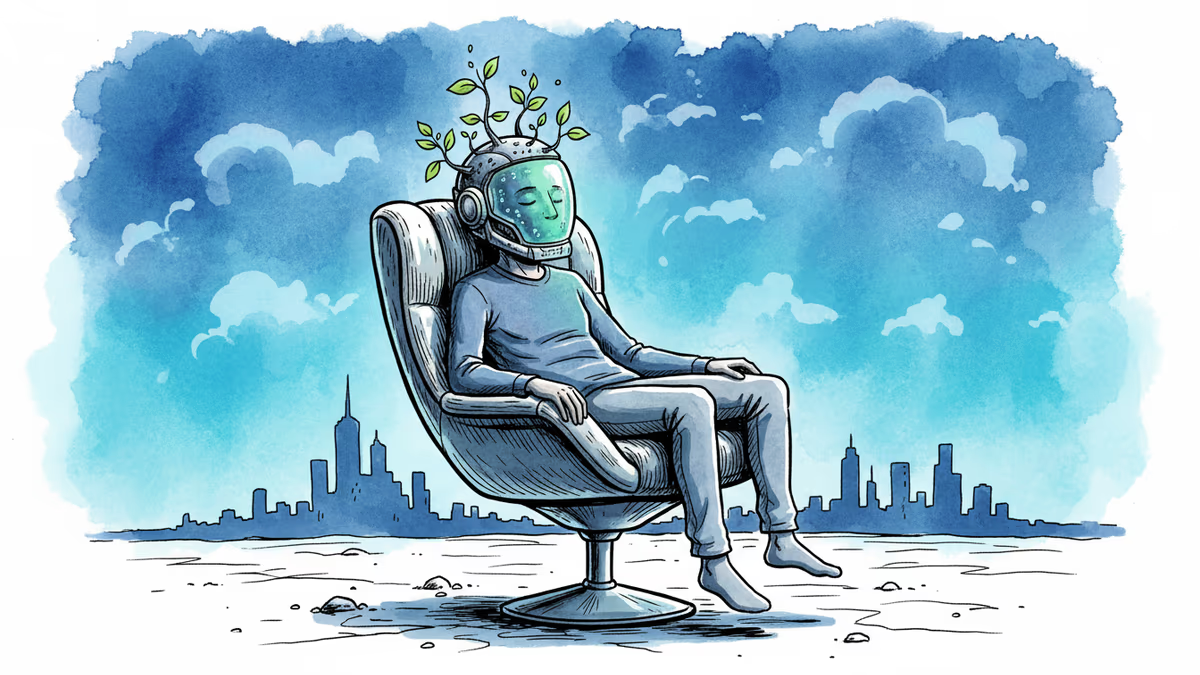
CurrentBody's LED Hair Growth Helmet delivers real results with just 10 minutes daily use. But is the convenience worth the premium price tag?
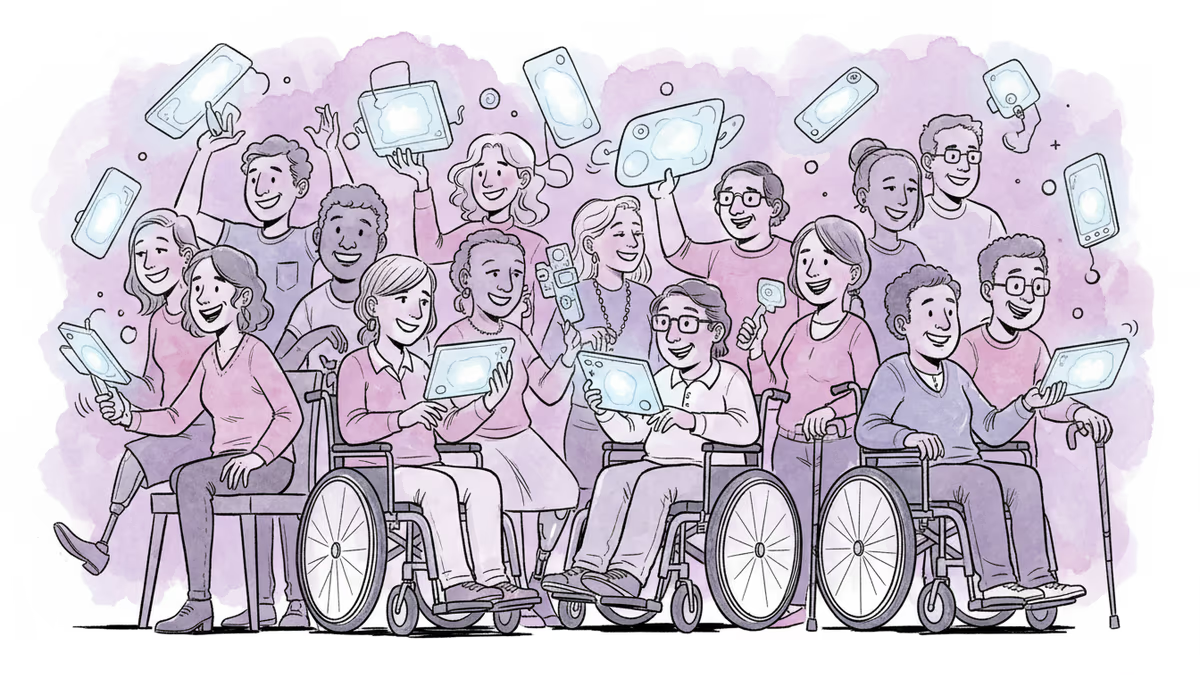
Disabled bodies have long been absent from sex tech conversations, but new accessible devices are changing the landscape of inclusive pleasure technology.

Five stories from late September, traced to where the paper trail stops: Korea's export record, Nvidia's Hugging Face 8-K, a US-China AI channel, the UN on AI, and rising births.
At-home STI tests promise convenience and privacy, but are they replacing traditional healthcare or creating new blind spots? We examine the trade-offs.
CurrentBody's LED Hair Growth Helmet delivers real results with just 10 minutes daily use. But is the convenience worth the premium price tag?
Disabled bodies have long been absent from sex tech conversations, but new accessible devices are changing the landscape of inclusive pleasure technology.
Five stories from late September, traced to where the paper trail stops: Korea's export record, Nvidia's Hugging Face 8-K, a US-China AI channel, the UN on AI, and rising births.
Thoughts
Share your thoughts on this article
Sign in to join the conversation