
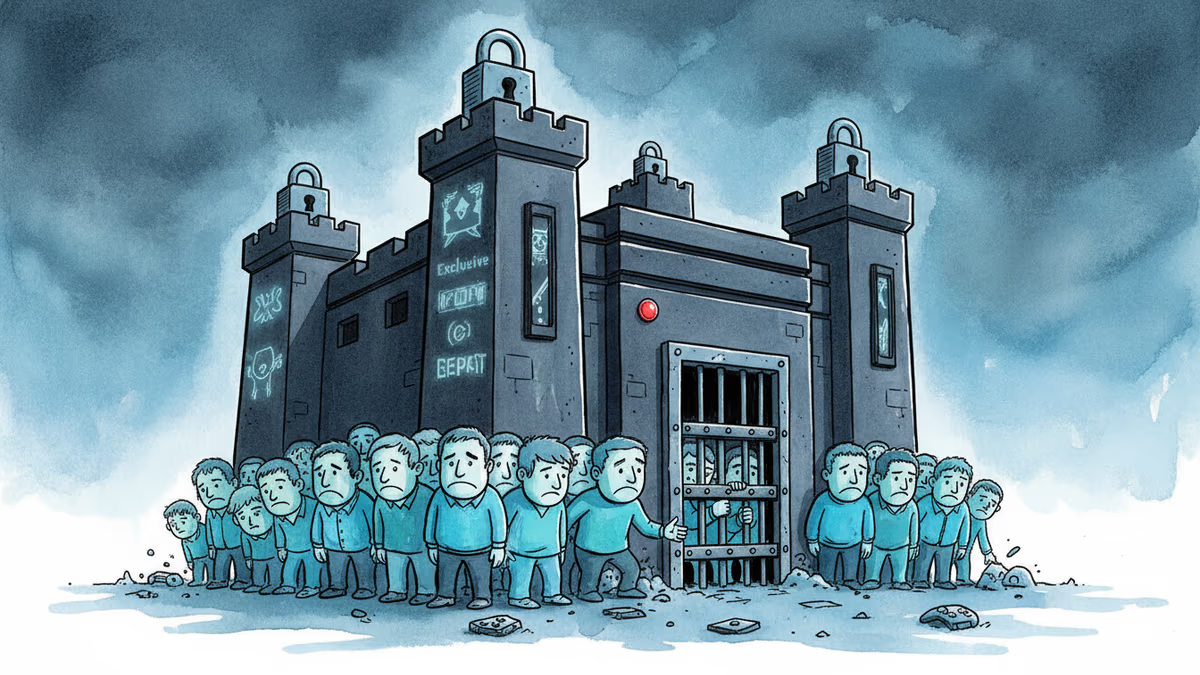
Console Exclusives Are Making a Comeback
Sony and Microsoft are pulling back from multi-platform strategies, signaling a return to console exclusives. What this means for gamers and the industry.
The $70 Billion Experiment That Failed
Sony's pulling back from releasing PS5 games on PC. Microsoft's Xbox identity crisis deepens daily. After years of "games everywhere" rhetoric, console makers are quietly retreating to their old playbook: exclusives.
Why now? The numbers don't lie. Bloomberg's report reveals what industry insiders have whispered for months—multi-platform strategies haven't delivered the promised returns. Instead, they've cannibalized hardware sales and diluted brand identity.
When More Platforms Meant Less Money
The logic seemed bulletproof: release The Last of Us Part I on PC, reach millions more players, rake in additional revenue. Reality proved messier. PC gamers who might've bought a PS5 simply waited for the port. Hardware sales—the real profit driver—took a hit.
Sony's ecosystem depends on that $500 console purchase leading to years of game sales, PlayStation Plus subscriptions, and accessory purchases. Every PC sale that replaced a console sale meant losing a customer worth potentially $2,000 over the console's lifetime.
Microsoft faced an even stranger problem. "What is an Xbox anymore?" became a legitimate question. Game Pass, cloud gaming, and PC releases made the physical console feel... optional. Brand confusion isn't exactly a winning marketing strategy.

The Gamer's Wallet Dilemma
For players, this shift brings mixed feelings. Exclusives mean potentially buying multiple $500 consoles to access all major games. A PS5, Xbox Series X, and Nintendo Switch add up to nearly $1,500—before buying any actual games.
Yet exclusives often deliver superior experiences. Games built specifically for PS5's SSD or Xbox's Quick Resume feature showcase what's possible when developers aren't constrained by lowest-common-denominator design.
The Streaming Wild Card
Here's where it gets interesting: cloud gaming could flip this entire dynamic. If GeForce Now or Xbox Cloud Gaming become truly seamless, console exclusives might become "subscription service exclusives" instead. Suddenly, that $15 monthly fee starts looking attractive compared to multiple console purchases.
But we're not there yet. Input lag, data caps, and internet reliability still make cloud gaming a compromise for serious players.
What Developers Really Think
Speak to indie developers, and you'll hear frustration with this shift. Smaller studios thrived during the multi-platform era—more potential customers meant better odds of success. A return to exclusives could squeeze them out of premium console slots, pushing them toward mobile or PC-only releases.
Meanwhile, major studios like Insomniac and 343 Industries are probably relieved. Optimizing for one platform is significantly easier than juggling multiple hardware configurations and storefronts.
Authors
Related Articles

EA introduces creator marketplace in The Sims 4 with new in-game currency 'Moola.' A bold experiment in virtual economies that could reshape gaming monetization.

Lenovo's Legion Go Fold Concept isn't just a tech demo. It's rethinking what portable gaming could become when you don't have to choose between screen size and portability.
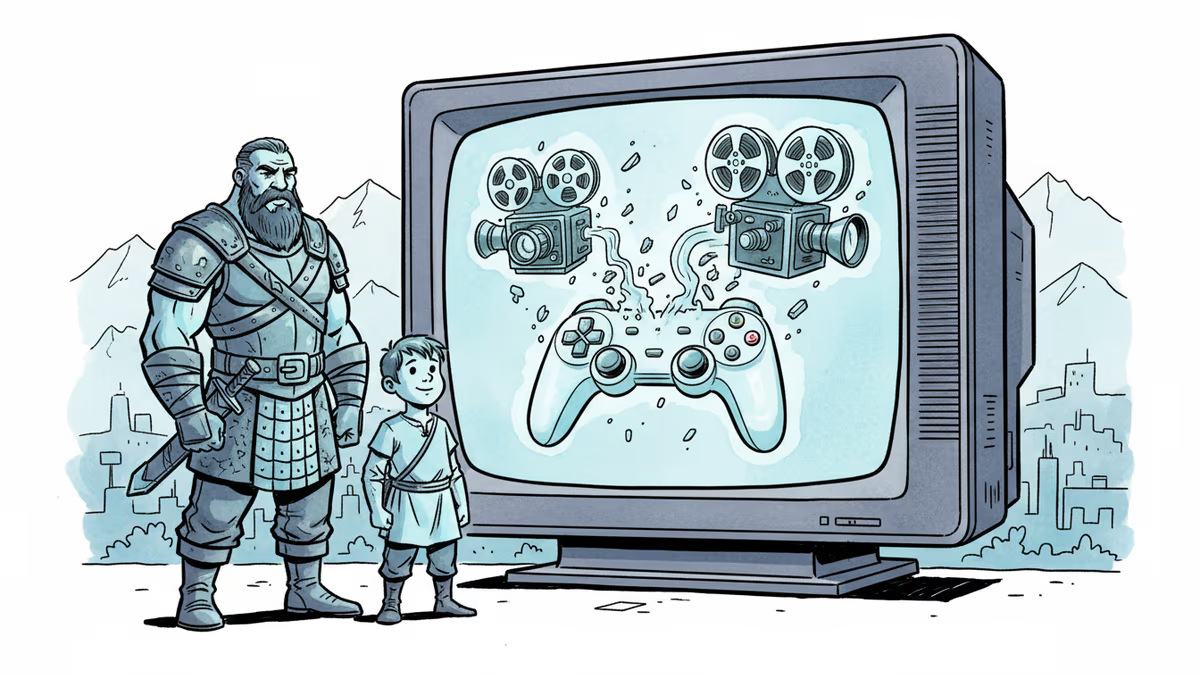
Amazon reveals first look at God of War series. Exploring whether game-to-screen adaptations can overcome their troubled history.
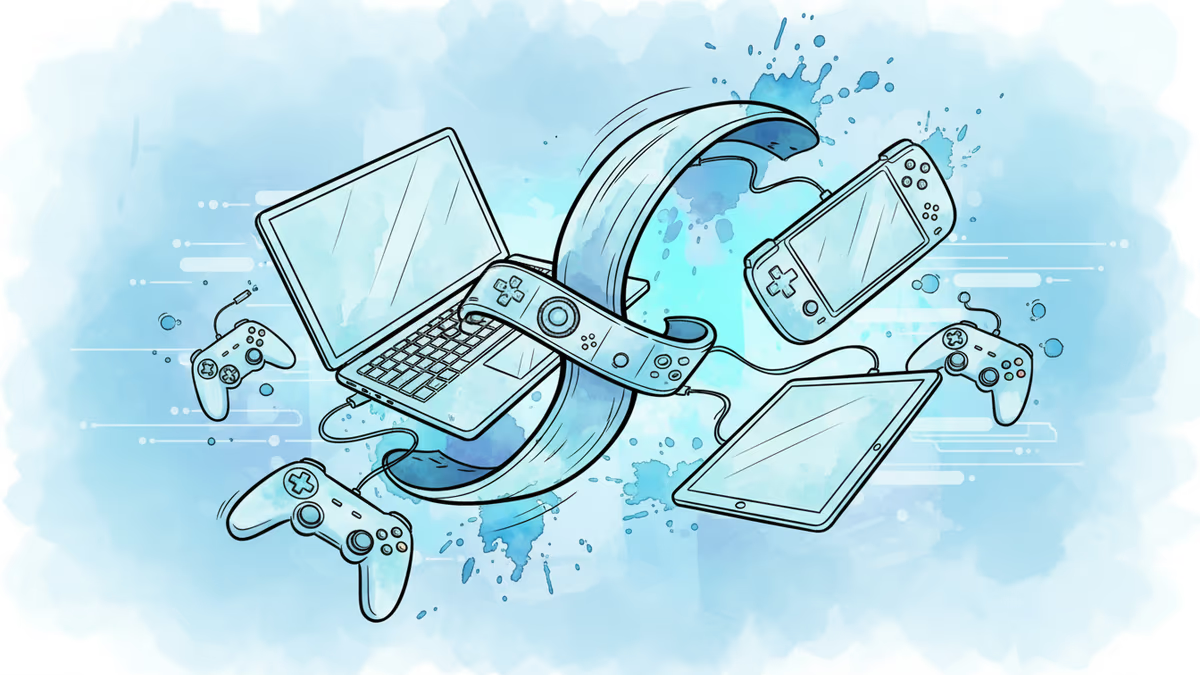
Lenovo's Legion Go Fold represents more than a foldable gaming device – it's a glimpse into a future where the lines between handheld, laptop, and console gaming blur completely.
EA introduces creator marketplace in The Sims 4 with new in-game currency 'Moola.' A bold experiment in virtual economies that could reshape gaming monetization.
Lenovo's Legion Go Fold Concept isn't just a tech demo. It's rethinking what portable gaming could become when you don't have to choose between screen size and portability.
Amazon reveals first look at God of War series. Exploring whether game-to-screen adaptations can overcome their troubled history.
Lenovo's Legion Go Fold represents more than a foldable gaming device – it's a glimpse into a future where the lines between handheld, laptop, and console gaming blur completely.
Thoughts
Share your thoughts on this article
Sign in to join the conversation