
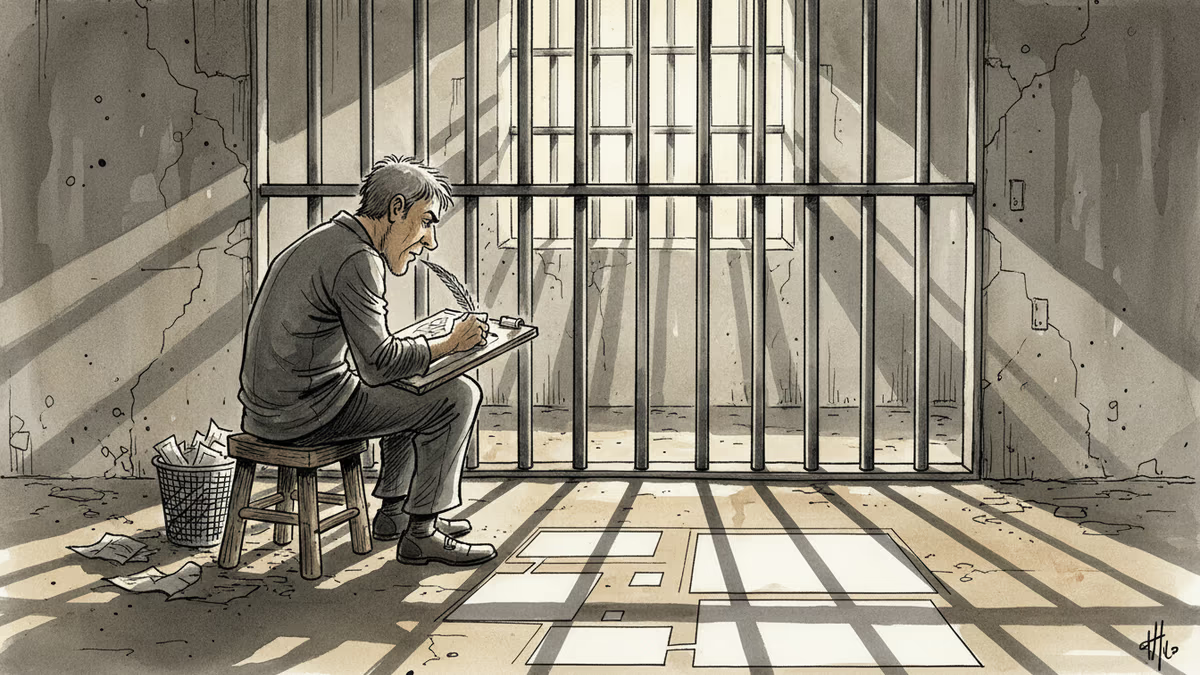
When Comics Tell Truth Better Than News
Journalist Danny Fenster turned his Myanmar prison experience into a graphic story. Some truths can only be told through art.
176 Days in a Cell, Told Through Ink
The Verge just published something unusual: a comic story by American journalist Danny Fenster about his 176 days imprisoned in Myanmar. But this isn't just another "what happened to me" piece. It's something text alone could never capture.
Fenster was detained in 2021 while reporting on Myanmar's military coup. His story has been told before in traditional articles and interviews. This time, working with cartoonist Amy Kurzweil, he's turned his experience into visual narrative. The difference is profound.
Why Comics, Why Now
Journalist imprisonment is hitting record levels. Reporters Without Borders counts 533 journalists behind bars worldwide in 2023—the highest number ever recorded. But statistics don't make people feel anything. They're just numbers on a page.
Fenster's comic does what news reports can't: it makes you experience what those numbers mean. The claustrophobia of a cell. The slow passage of time. The mental games you play to stay sane. These aren't just facts to report—they're human realities to feel.
This shift toward visual journalism isn't accidental. Traditional news consumption is declining, especially among younger readers who grew up with Instagram and TikTok. Comics offer a middle ground: serious content in a format people actually want to engage with.
The Empathy Gap
Here's what's fascinating: Fenster's comic succeeds where traditional journalism often fails—creating genuine empathy. Reading "Fenster was imprisoned for 176 days" gives you information. Seeing those days illustrated, panel by panel, gives you understanding.

This matters more than we might think. Press freedom isn't just an abstract concept for journalists to worry about. When reporters can't do their jobs, democracies suffer. But getting people to care about press freedom? That's always been the challenge.
Comics might be the answer. They make distant problems feel personal. They turn policy debates into human stories. They bridge the gap between "this is important" and "this matters to me."
The Credibility Question
But there's a risk here. Can comics maintain journalistic credibility? Some critics worry that cartoon format trivializes serious issues. There's a fine line between making content accessible and making it lightweight.
Fenster's work succeeds because it doesn't compromise on truth for the sake of visual appeal. Every panel is grounded in his actual experience. The collaboration with Kurzweil ensures artistic quality without sacrificing accuracy. It's journalism that happens to use comics, not comics that happen to touch on news.
This distinction matters as more news organizations experiment with visual storytelling. The format is just a tool—the standards of accuracy, fairness, and verification still apply.
Beyond Traditional Boundaries
Fenster's comic represents something larger: journalism's evolution beyond traditional formats. We've seen this with podcasts, video essays, and interactive graphics. Each medium offers unique advantages for different types of stories.
Comics excel at showing internal experiences—emotions, mental states, the passage of time. They're particularly powerful for trauma narratives, where traditional reporting might feel clinical or exploitative. The visual metaphors and pacing control let readers process difficult content at their own speed.
This opens possibilities for other challenging stories: climate change, mental health, immigration experiences, war trauma. Stories where the human element often gets lost in policy discussions and statistics.
Authors
Related Articles
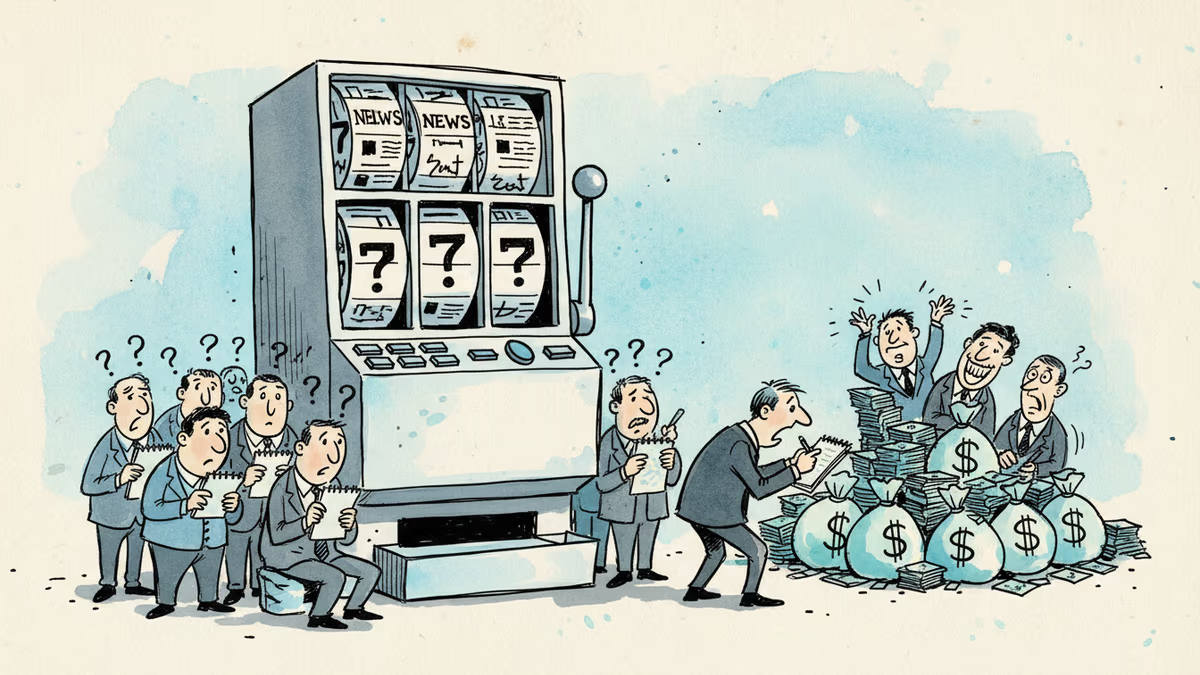
As Polymarket and Kalshi expand news partnerships, insider trading concerns mount. The line between gambling and information is blurring dangerously.
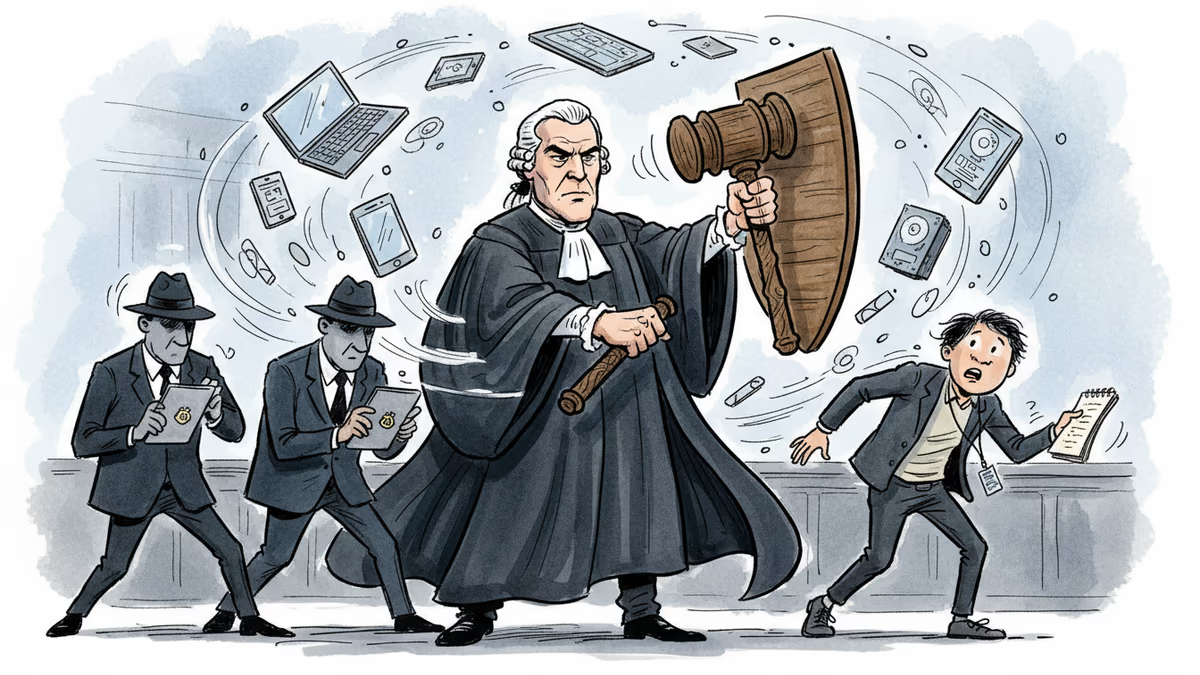
Federal court takes control of Washington Post reporter's seized devices after DOJ omitted key journalist protections from warrant. A new precedent for press freedom vs national security.
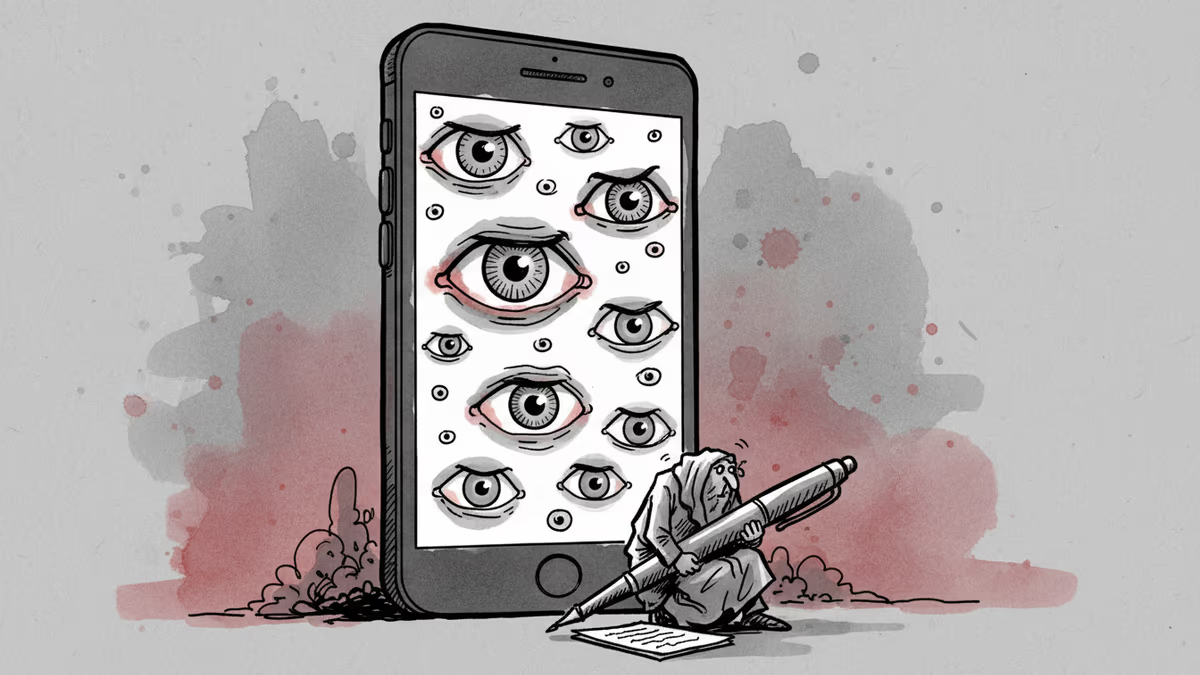
An Angolan journalist's phone was hacked by sanctioned spyware maker Intellexa. Why are banned surveillance tools still thriving globally?
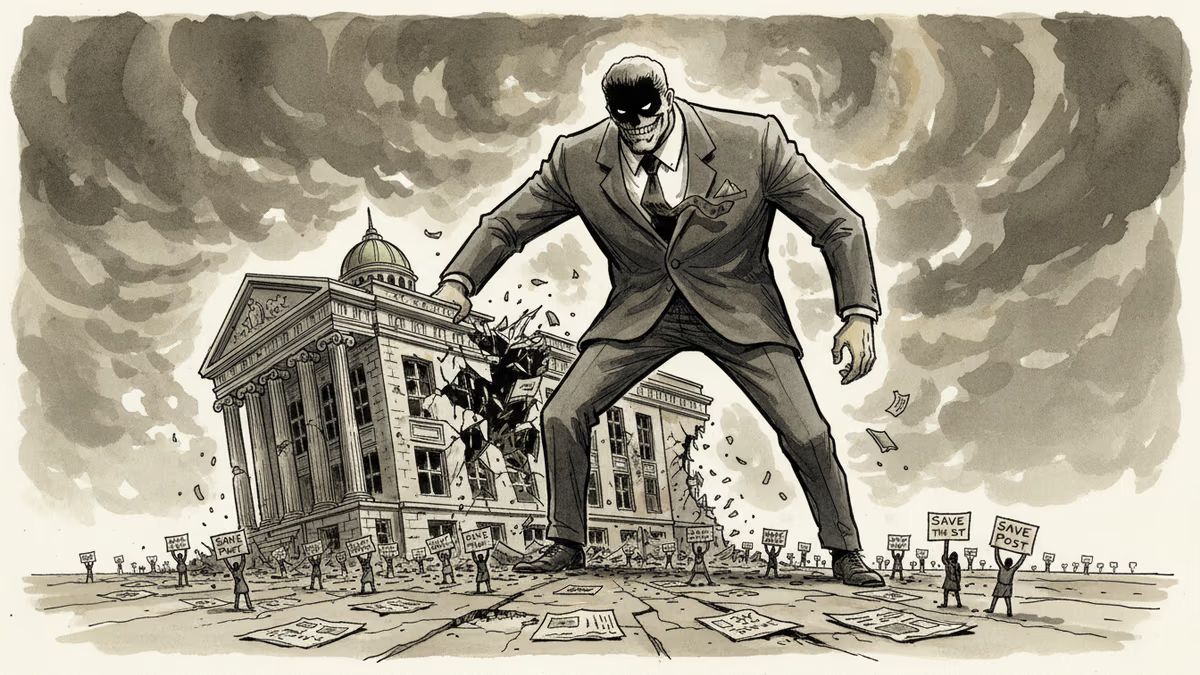
The Washington Post fired 400 staffers and ousted its CEO, but owner Jeff Bezos remains silent. Media professionals question his real agenda behind the newsroom bloodbath.
As Polymarket and Kalshi expand news partnerships, insider trading concerns mount. The line between gambling and information is blurring dangerously.
Federal court takes control of Washington Post reporter's seized devices after DOJ omitted key journalist protections from warrant. A new precedent for press freedom vs national security.
An Angolan journalist's phone was hacked by sanctioned spyware maker Intellexa. Why are banned surveillance tools still thriving globally?
The Washington Post fired 400 staffers and ousted its CEO, but owner Jeff Bezos remains silent. Media professionals question his real agenda behind the newsroom bloodbath.
Thoughts
Share your thoughts on this article
Sign in to join the conversation