

Trump Administration 25% Semiconductor Tariff Set to Squeeze Chinese AI
The Trump administration imposed a 25% semiconductor tariff on NVIDIA H200 and AMD MI325X chips, significantly raising costs for China's AI sector.
AI infrastructure just got 25% more expensive. The Trump administration has unleashed a massive tariff hike on high-performance chips, aimed squarely at China's technological ambitions. According to analysts, Chinese firms will now have to shoulder a significantly heavier financial burden to deploy the world's most advanced silicon.
Trump Administration 25% Semiconductor Tariff Details
On Wednesday, Jan 14, 2026, the U.S. government announced new import duties covering advanced artificial intelligence chips. The administration stated that the move is necessary to protect national security and ensure that cutting-edge American technology isn't easily accessible for competitors. Experts suggest this is one of the most aggressive fiscal measures taken in the ongoing tech trade war.

NVIDIA H200 and AMD MI325X in the Crosshairs
The new rules specifically target elite hardware, including NVIDIA's H200 and Advanced Micro Devices' MI325X graphics processing units. Equivalent products and their derivatives are also subject to the 25% duty. For Chinese tech giants, it's a double blow: they're already fighting strict export controls, and now the cost of acquiring the chips they do manage to get is skyrocketing.
Authors
Related Articles

The Trump administration has gutted the DOJ's Voting Section, pushing out two dozen experienced lawyers and replacing them with loyalists. With 2026 midterms approaching, what does this mean for American democracy?
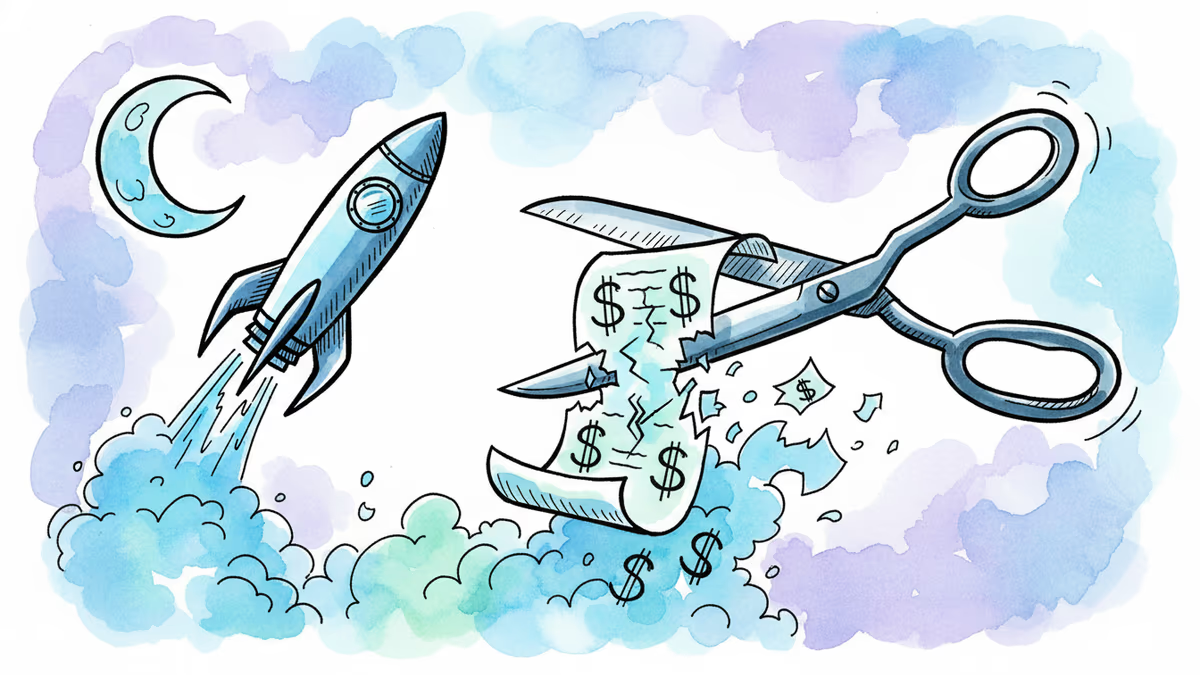
Two days after launching the first crewed lunar mission in over 50 years, the Trump administration proposed cutting NASA's budget by 23%. What does this mean for the future of space exploration?
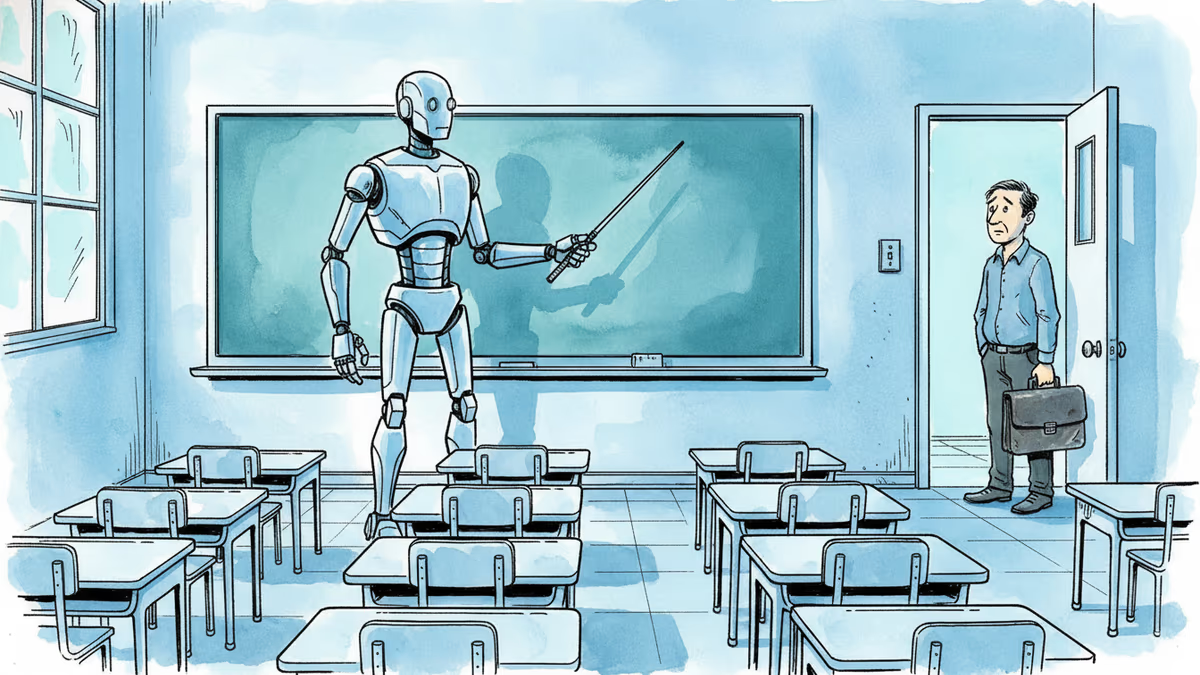
A humanoid robot walked the White House red carpet with Melania Trump. It's a preview of an ed-tech vision that could reshape — or fracture — how children learn.
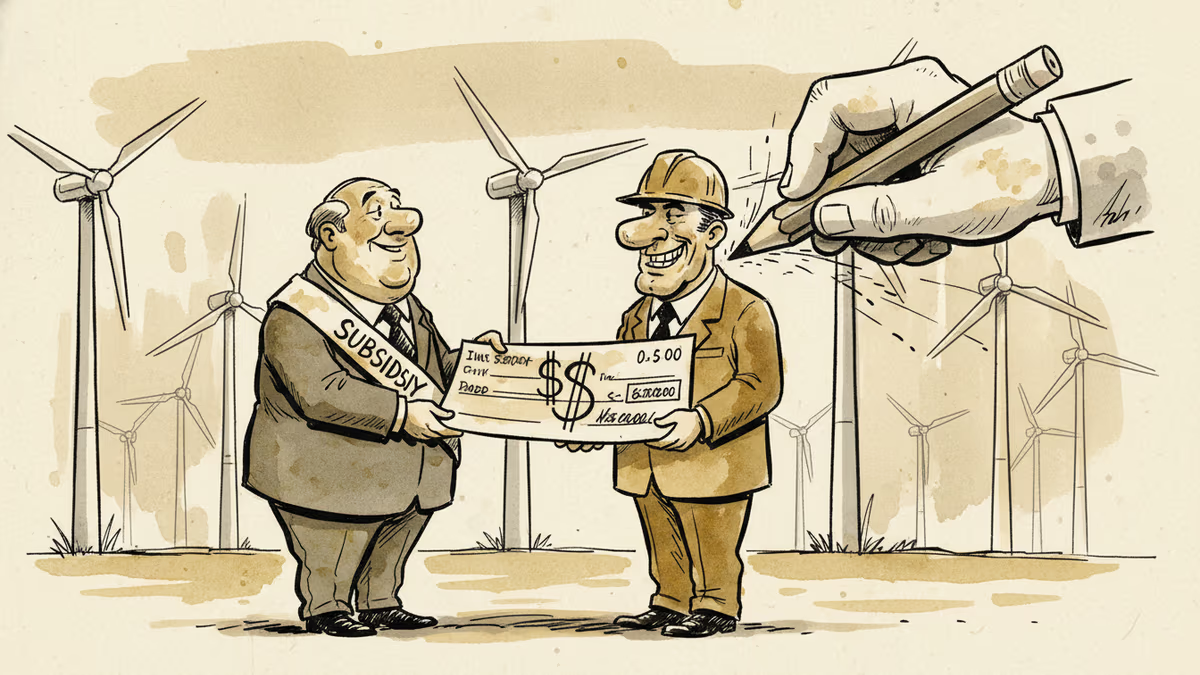
The Trump administration struck a deal to buy back offshore wind leases from TotalEnergies for $1 billion, redirecting that money into fossil fuel projects. What this means for energy markets, grid reliability, and the future of U.S. climate policy.
The Trump administration has gutted the DOJ's Voting Section, pushing out two dozen experienced lawyers and replacing them with loyalists. With 2026 midterms approaching, what does this mean for American democracy?
Two days after launching the first crewed lunar mission in over 50 years, the Trump administration proposed cutting NASA's budget by 23%. What does this mean for the future of space exploration?
A humanoid robot walked the White House red carpet with Melania Trump. It's a preview of an ed-tech vision that could reshape — or fracture — how children learn.
The Trump administration struck a deal to buy back offshore wind leases from TotalEnergies for $1 billion, redirecting that money into fossil fuel projects. What this means for energy markets, grid reliability, and the future of U.S. climate policy.
Thoughts
Share your thoughts on this article
Sign in to join the conversation