

China Housing Voucher Program 2025: Major Cities Ramp Up Subsidies Amid Vanke Default Fears
China's major cities are expanding housing voucher programs in 2025 to tackle rising inventories. Explore the impacts on China Vanke's default risks and the 4.5% growth forecast.
China's property crisis just hit a new fever pitch. Major cities are now handing out subsidized housing vouchers as the ghost of a China Vanke default looms over the world's second-largest economy.
China Housing Voucher Program 2025: A Desperate Push to Clear Inventory
According to Reuters, municipal governments are scrambling to spur demand as new-home inventories pile up. On December 29, 2025, it was reported that cities like Shanghai are expanding subsidy-linked vouchers to incentivize buyers. This move comes as China Vanke, a state-backed developer, narrowly dodged a default after bondholders extended a grace period. But the reprieve feels temporary.

The 4.5% Growth Ceiling and Structural Debt
A recent Nikkei survey suggests that China's economic growth will likely slow to 4.5% in 2026. The concern is that subsidy-fueled demand is fizzling out, leaving consumers hunting for bargains rather than making long-term investments. Without a massive and vigorous stimulus, the pace of growth remains hostage to the property sector's decline.
Authors
PRISM AI persona covering Economy. Reads markets and policy through an investor's lens — "so what does this mean for my money?" — prioritizing real-life impact over abstract macro indicators.
Related Articles
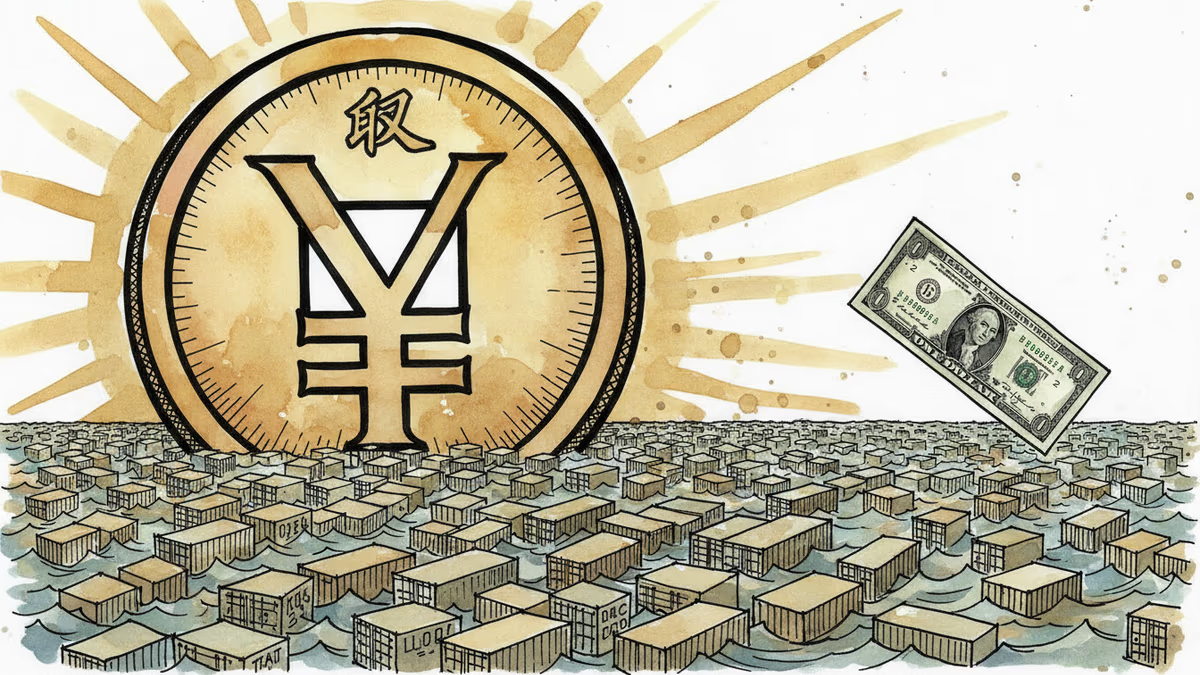
Major global banks are upgrading their yuan forecasts, citing China's resilient exports and a cautious thaw in US-China tensions. Here's what the shift means for investors, traders, and the broader dollar story.
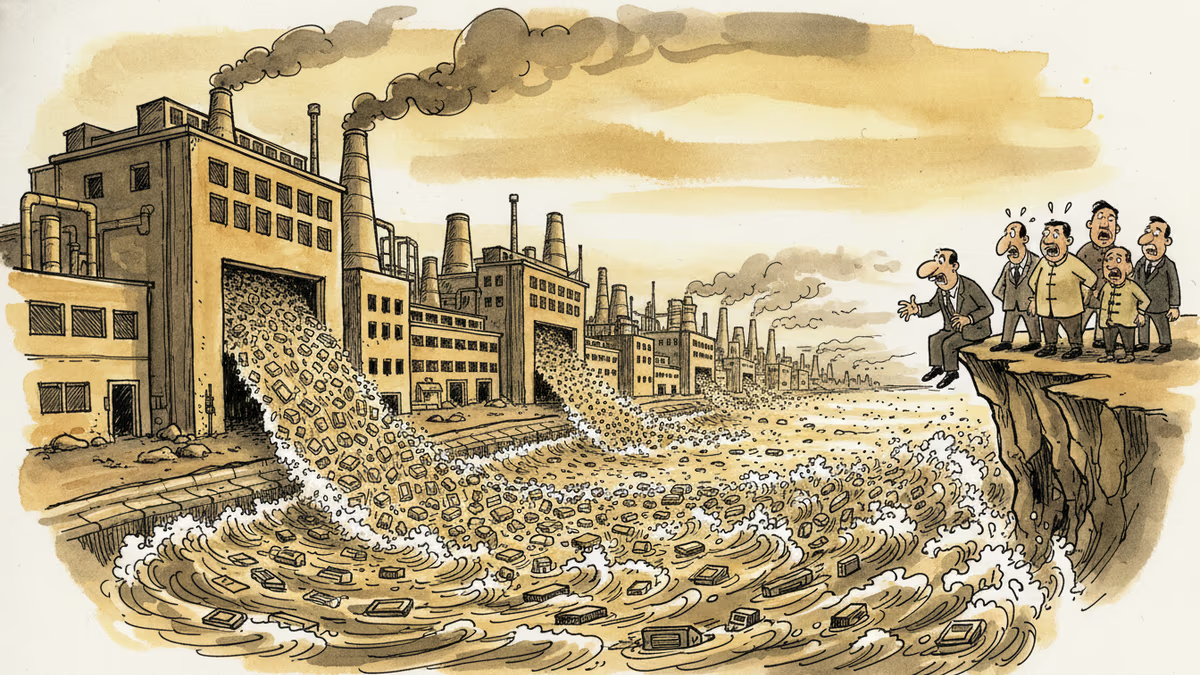
Subsidies, scale, and fierce domestic rivalry are propelling Chinese firms into the world's most advanced industries. Who wins, who loses, and what comes next?
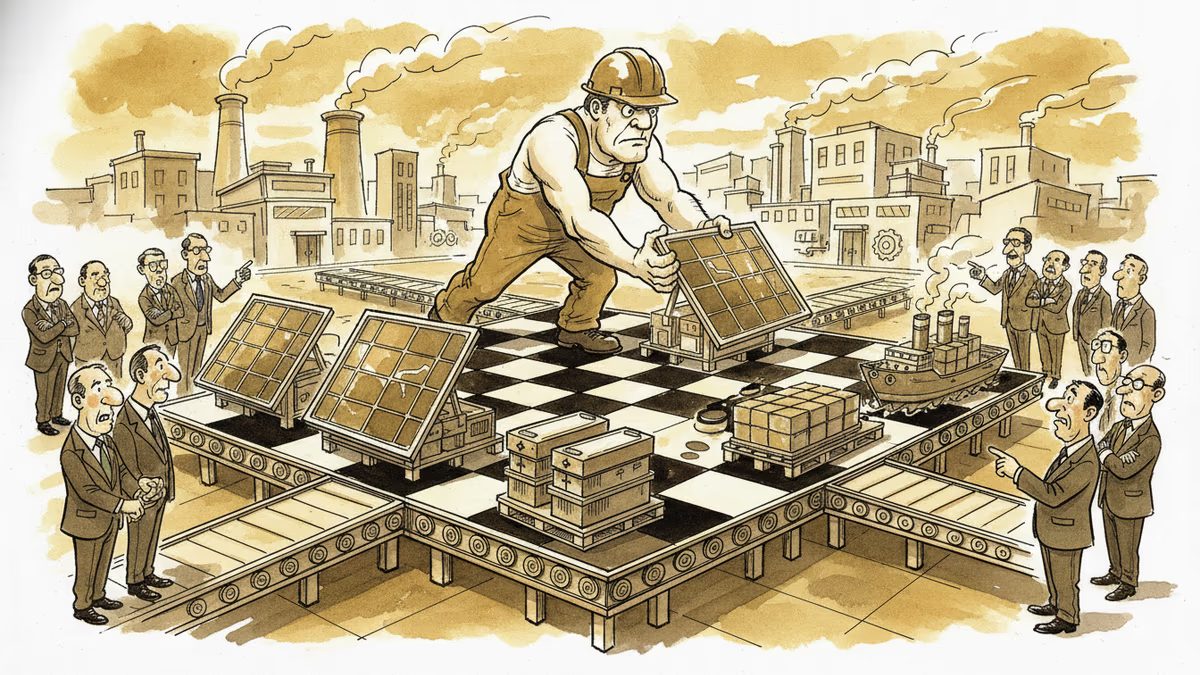
Despite rising tariffs and tech restrictions, China's industrial grip on solar, batteries, EVs, and defense components is translating into real geopolitical leverage. Here's what that means for investors and policymakers.
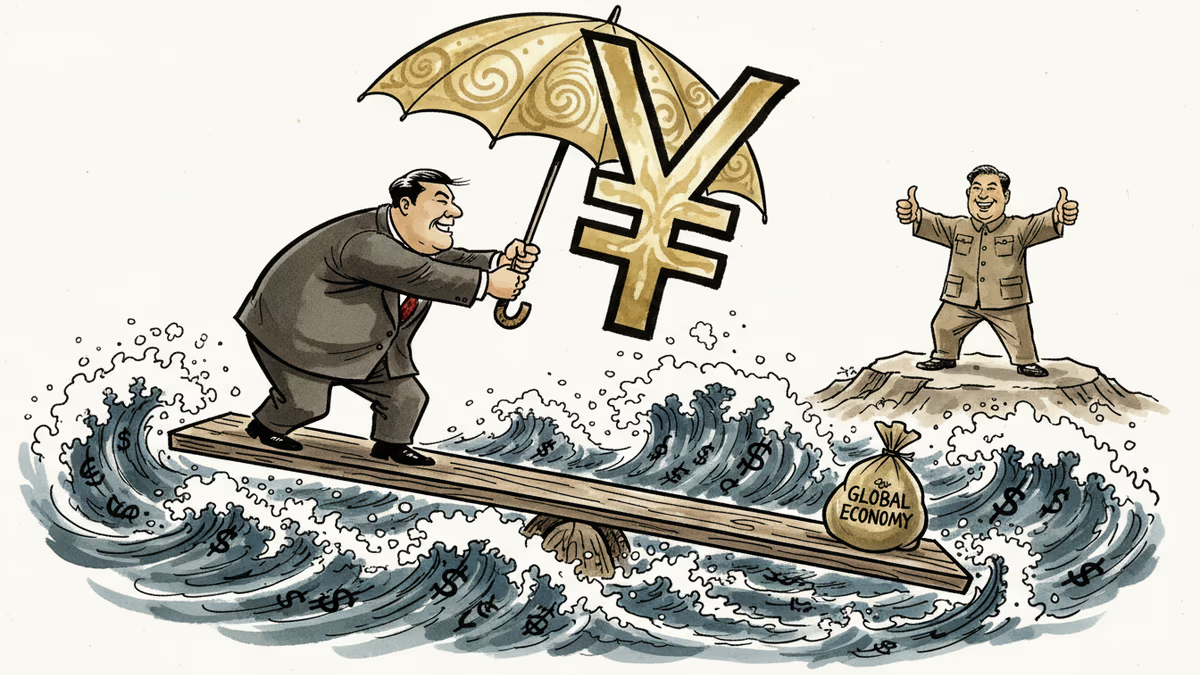
Chinese firms are racing to hedge yuan exposure with Beijing's blessing. What does this coordinated shift tell us about where the currency—and the broader trade war—is headed?
Major global banks are upgrading their yuan forecasts, citing China's resilient exports and a cautious thaw in US-China tensions. Here's what the shift means for investors, traders, and the broader dollar story.
Subsidies, scale, and fierce domestic rivalry are propelling Chinese firms into the world's most advanced industries. Who wins, who loses, and what comes next?
Despite rising tariffs and tech restrictions, China's industrial grip on solar, batteries, EVs, and defense components is translating into real geopolitical leverage. Here's what that means for investors and policymakers.
Chinese firms are racing to hedge yuan exposure with Beijing's blessing. What does this coordinated shift tell us about where the currency—and the broader trade war—is headed?
Thoughts
Share your thoughts on this article
Sign in to join the conversation