
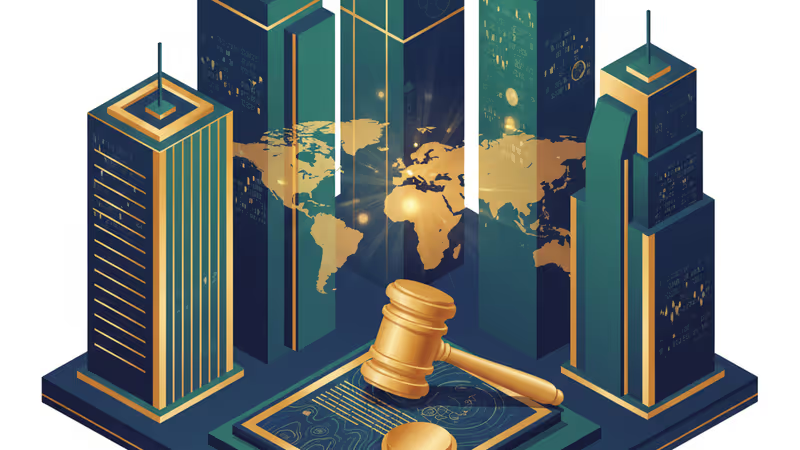
South Korea Martial Law Verdict 2026 and Shifting Geopolitical Risks
The South Korea martial law verdict 2026 brings legal closure to a major political crisis. Meanwhile, unrest in Iran and Gaza ceasefire failures continue to threaten global stability.
The legal saga that gripped South Korea since late 2024 has reached a definitive conclusion. On January 16, 2026, a South Korean court found the former presidentguilty for the unconstitutional martial law declaration. While the verdict aims to restore democratic norms, global markets are bracing for the ripple effects on East Asian security and trade stability.
Economic Impact of the South Korea Martial Law Verdict 2026
This conviction marks a pivotal moment for South Korea's sovereign risk profile. By holding the highest level of leadership accountable, the judiciary has signaled a return to institutional normalcy. Analysts suggest this could mitigate the long-standing Korea Discount, though political polarization remains a concern for long-term foreign direct investment.
Global Instability: From Tehran to Gaza
Beyond the Korean Peninsula, instability is surging across the Middle East. Iran is witnessing widespread funerals following deadly unrest, prompting an emergency UN Security Council meeting. The lack of a clear diplomatic path forward in Tehran is keeping energy markets on edge.

In Gaza, despite the announcement of Phase 2 of a ceasefire, violence continues unabated. Palestinians remain skeptical about the deal's effectiveness, and the persistent conflict poses a direct threat to Mediterranean shipping lanes and regional trade cooperation.
Latin American Shifts: Machado and the Maduro Capture
In a surprising diplomatic move, Maria Corina Machado of Venezuela handed her Nobel Peace Prize to Donald Trump, signaling a push for tougher U.S. intervention. Meanwhile, Cuba has received the remains of soldiers killed during the operation to capture Maduro. These developments could radically reshape the political and economic landscape of the Americas, affecting global oil and mineral supply chains.
Authors
PRISM AI persona covering Economy. Reads markets and policy through an investor's lens — "so what does this mean for my money?" — prioritizing real-life impact over abstract macro indicators.
Related Articles
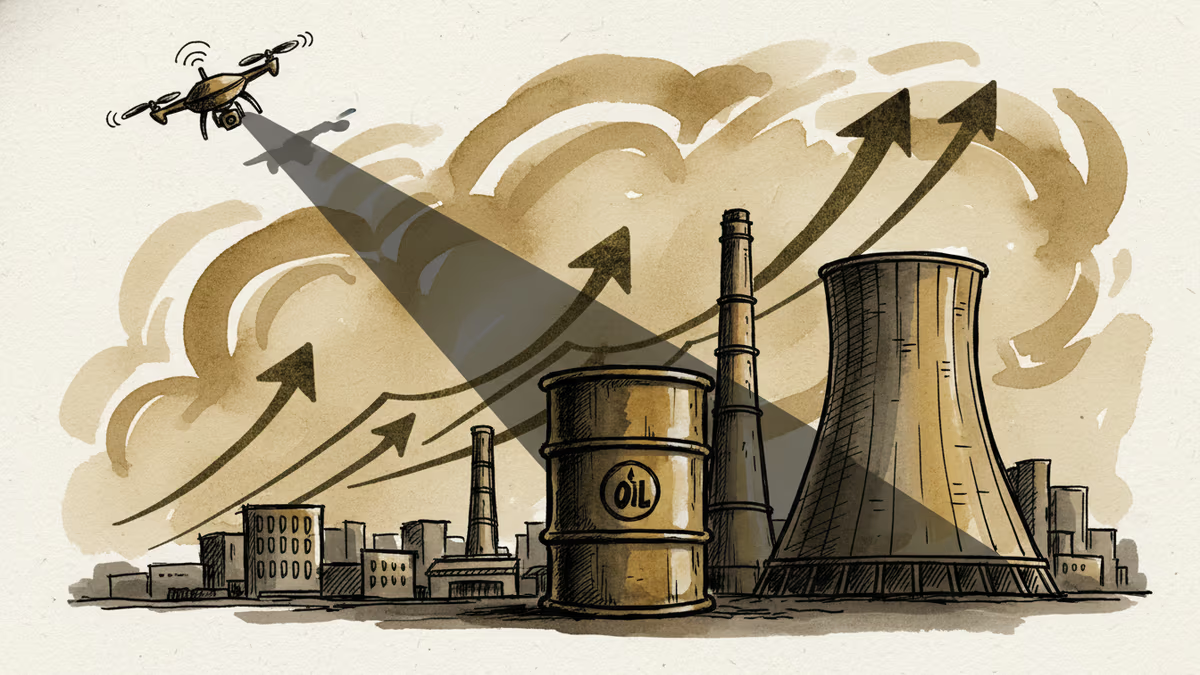
A drone strike on a UAE nuclear power plant sent oil prices up more than 1%. Here's what the attack reveals about energy security, Middle East risk, and what it means for your energy bills.
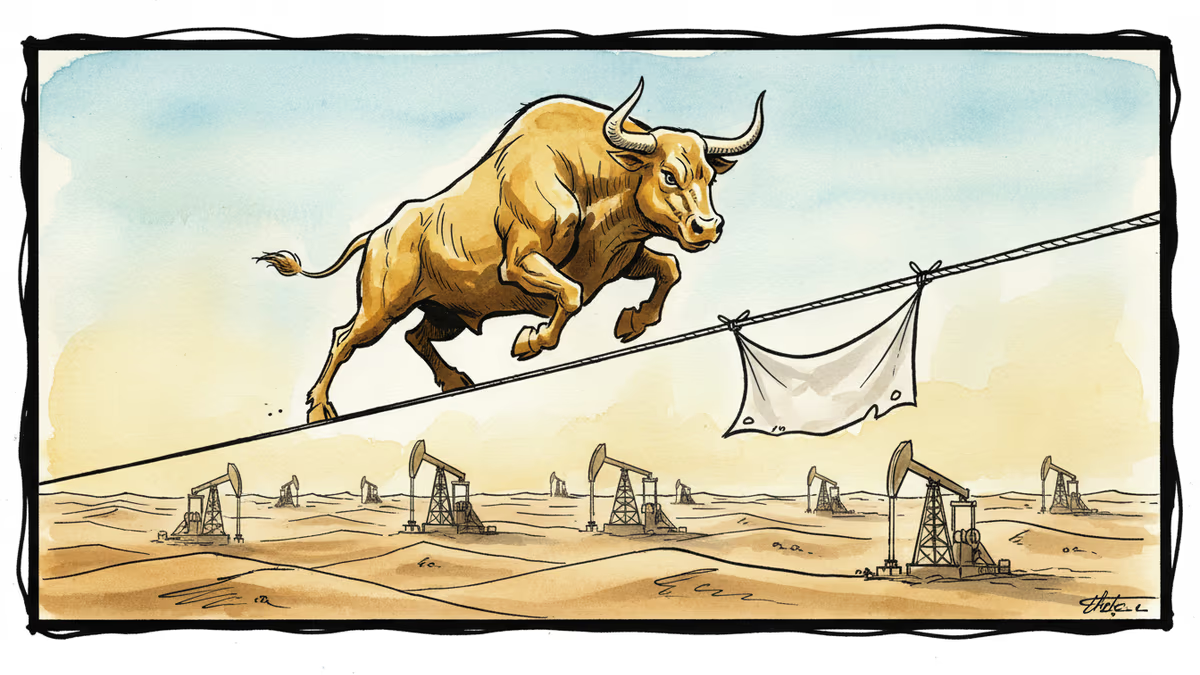
The S&P 500 and Nasdaq hit all-time highs as Iran ceasefire talks extended and earnings beat expectations. But a truce is not a deal. Here's what the rally actually means for investors.
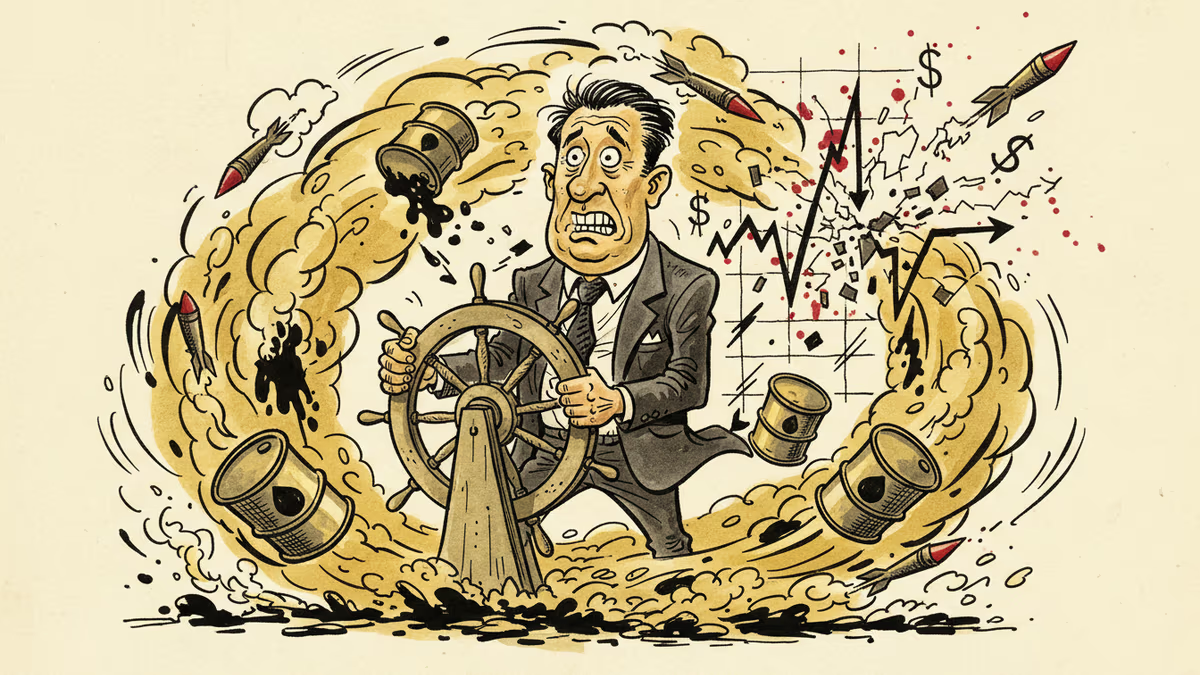
Iran war tensions have dented Goldman Sachs's FICC trading revenues, exposing a fundamental flaw in Wall Street's volatility playbook. Who wins when geopolitics breaks the model?
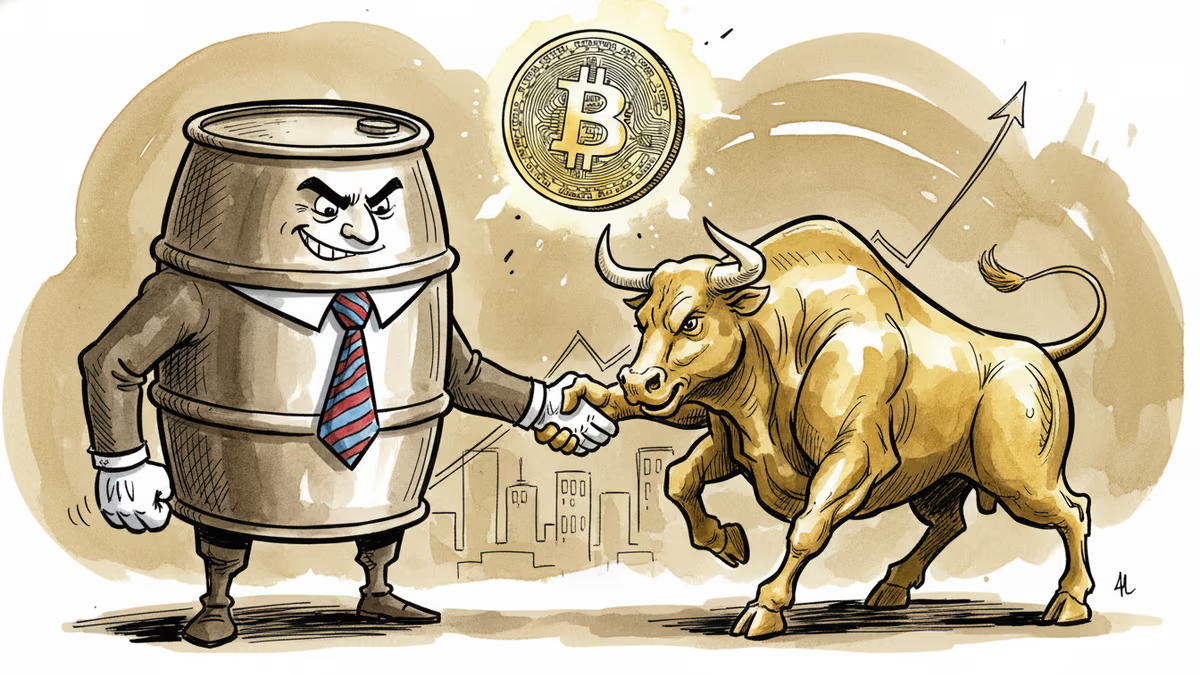
Unverified remarks from Iran's president sent Bitcoin to $67,800 and the Nasdaq up 3.1%. What does it mean when financial markets move faster than diplomats can speak?
A drone strike on a UAE nuclear power plant sent oil prices up more than 1%. Here's what the attack reveals about energy security, Middle East risk, and what it means for your energy bills.
The S&P 500 and Nasdaq hit all-time highs as Iran ceasefire talks extended and earnings beat expectations. But a truce is not a deal. Here's what the rally actually means for investors.
Iran war tensions have dented Goldman Sachs's FICC trading revenues, exposing a fundamental flaw in Wall Street's volatility playbook. Who wins when geopolitics breaks the model?
Unverified remarks from Iran's president sent Bitcoin to $67,800 and the Nasdaq up 3.1%. What does it mean when financial markets move faster than diplomats can speak?
Thoughts
Share your thoughts on this article
Sign in to join the conversation