

One Click to Disappear: California DROP Tool Targets 500+ Data Brokers
The California Privacy Protection Agency (CPPA) launched DROP, a free tool to delete your personal information from 500+ data brokers. Learn how this automated privacy platform works.
Your personal data is currently sitting in the databases of hundreds of companies you’ve never heard of. California is changing that with a single click. The California Privacy Protection Agency (CPPA) has officially launched DROP—the Delete Request and Opt-Out Platform. This free, first-of-its-kind tool empowers residents to purge their information from more than 500 registered data brokers in a single submission, shifting the power back to the individual.
How the California DROP Tool Enforces Privacy
According to the CPPA, the service went live on January 1, 2026. It effectively ends the tedious process of manually contacting individual firms to opt-out. Once a request is filed via DROP, data brokers are legally mandated to delete the user's data within 90 days. Furthermore, they must repeat this deletion every 45 days to ensure the consumer's records aren't simply re-acquired and resold.

| Feature | Traditional Method | DROP Platform |
|---|---|---|
| Effort | Contact 500+ sites individually | Single submission |
| Cost | Often requires paid services | Free for residents |
| Persistence | Manual follow-ups needed | Automatic 45-day refresh |
Authors
Related Articles
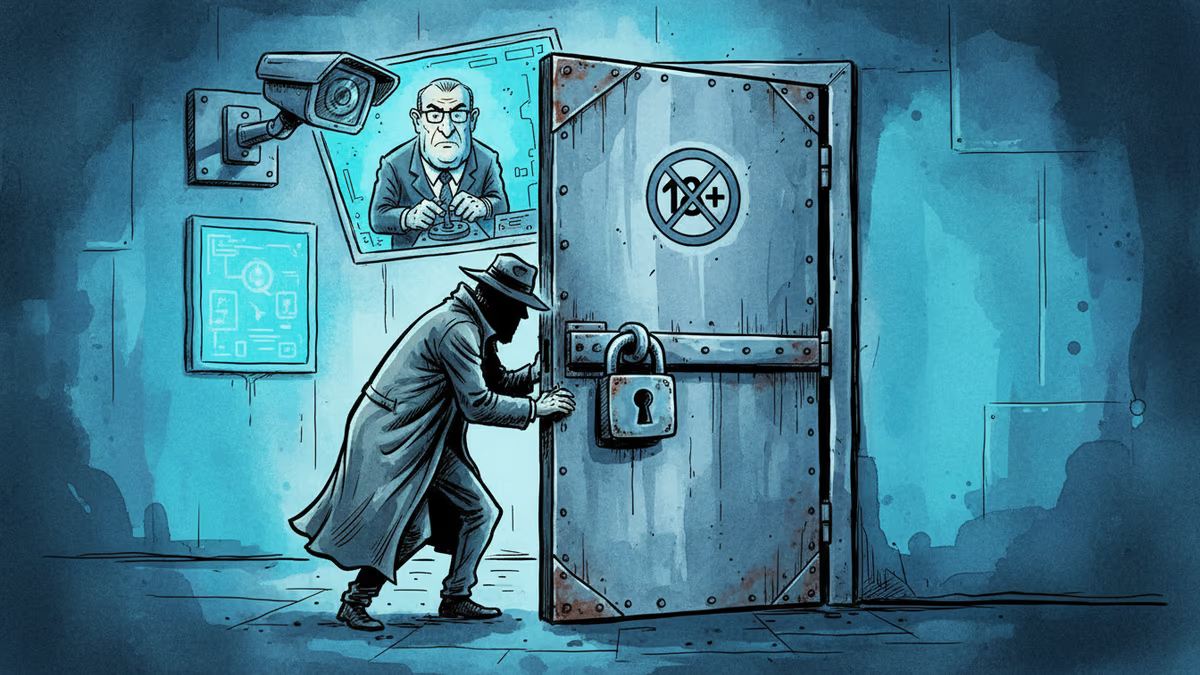
Age verification laws are turning VPNs from a niche privacy tool into everyday infrastructure. What happens when governments decide to shut the door?
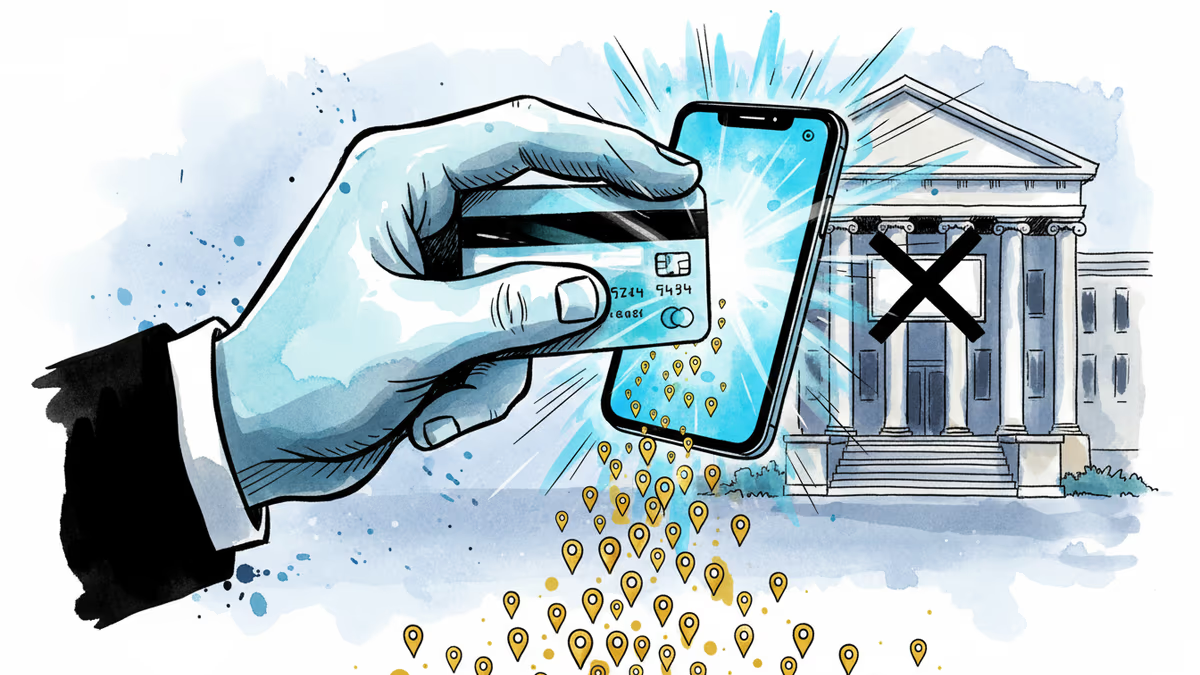
FBI Director Kash Patel confirmed the agency purchases Americans' location data from commercial brokers without a warrant. The admission raises urgent questions about the future of the Fourth Amendment.

Microsoft Copilot bug exposed customers' confidential emails to AI processing for weeks, bypassing data protection policies. Privacy implications explored.
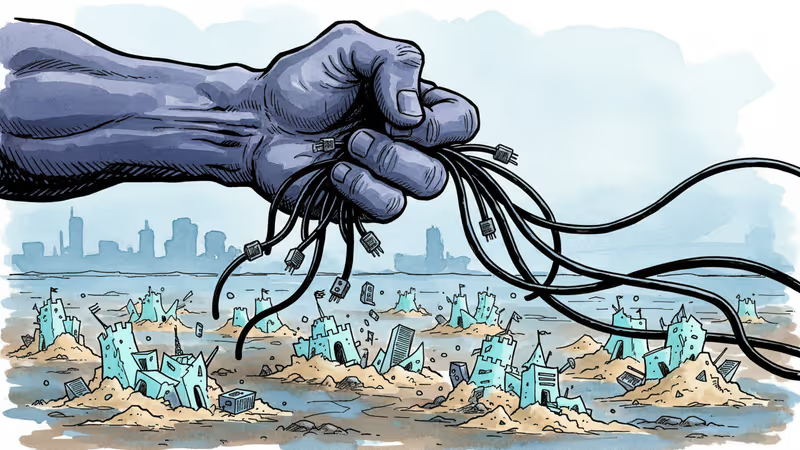
From Iran's internet blackout to Ukraine's cyber warfare, conflicts are dismantling tech ecosystems and triggering mass brain drain across startup hubs worldwide.
Age verification laws are turning VPNs from a niche privacy tool into everyday infrastructure. What happens when governments decide to shut the door?
FBI Director Kash Patel confirmed the agency purchases Americans' location data from commercial brokers without a warrant. The admission raises urgent questions about the future of the Fourth Amendment.
Microsoft Copilot bug exposed customers' confidential emails to AI processing for weeks, bypassing data protection policies. Privacy implications explored.
From Iran's internet blackout to Ukraine's cyber warfare, conflicts are dismantling tech ecosystems and triggering mass brain drain across startup hubs worldwide.
Thoughts
Share your thoughts on this article
Sign in to join the conversation