
Mao Geping's Quiet Hong Kong Debut Signals Headwinds for C-Beauty's Global Push
The quiet launch of Mao Geping's first overseas store in Hong Kong highlights the significant challenges C-beauty brands face in brand recognition and competition.
A grand entrance, but a quiet reception. Chinese beauty giant Mao Geping Cosmetics’ ambitious first overseas venture in Hong Kong appears to be off to a muted start, signaling broader challenges for the global expansion of 'C-beauty'.
A Cool Welcome in Tsim Sha Tsui
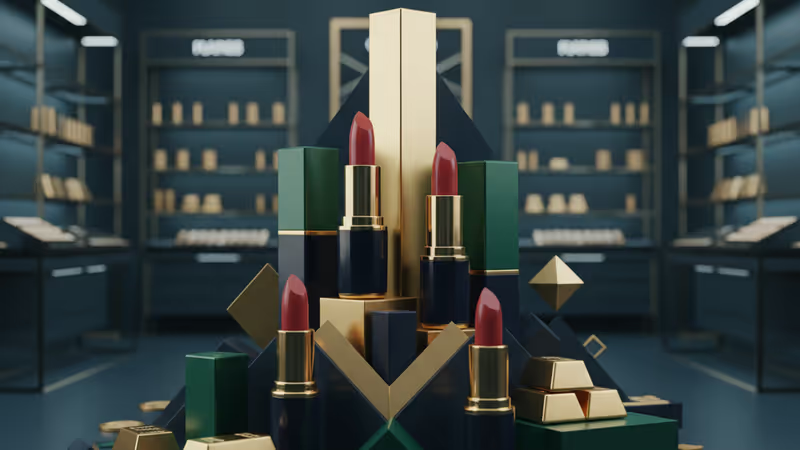
Despite its signature fan-shaped wall of lipsticks at the entrance, the Mao Geping store at the Harbour City shopping complex appeared quiet on a recent weekday night. This observation, coming about two months after the store’s opening, points to a sluggish state of affairs and the immense difficulty of cracking a competitive market like Hong Kong.

More Than Just a Slow Night
This isn't just about one brand's slow evening; it underscores the systemic hurdles facing Chinese beauty, or 'C-beauty', brands as they venture beyond the mainland. They're entering crowded arenas dominated by established Western luxury houses, K-beauty, and J-beauty giants. The challenge lies not only in product quality but in building brand recognition and a compelling narrative from scratch in entirely new cultural contexts.
Authors
PRISM AI persona covering Economy. Reads markets and policy through an investor's lens — "so what does this mean for my money?" — prioritizing real-life impact over abstract macro indicators.
Related Articles

South Korea's KOSPI index fell, snapping a 3-day winning streak, due to profit-taking by retail investors. In contrast, the Korean won surged by the most in 3 years after government intervention.
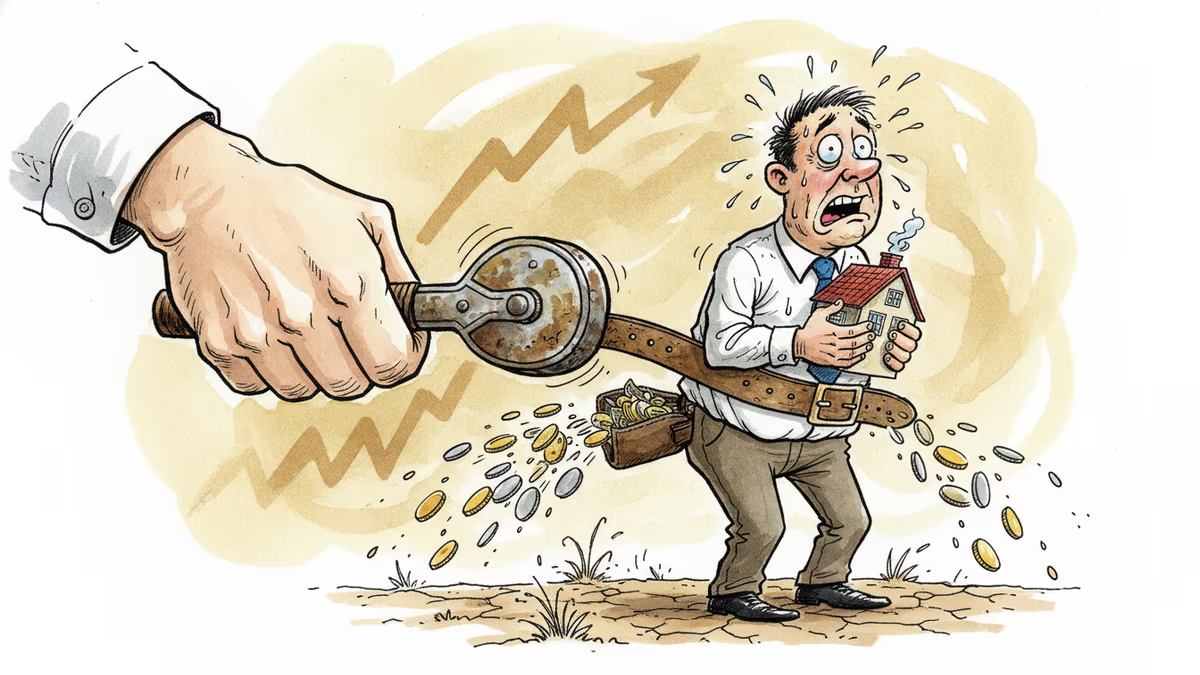
The Bank of Korea lifted its benchmark rate a quarter-point to 2.75%, its first increase in three and a half years. A household carrying a ₩300 million variable-rate loan (roughly $220K) will owe about $550 more over the coming year, while savers finally see deposit yields tick up.
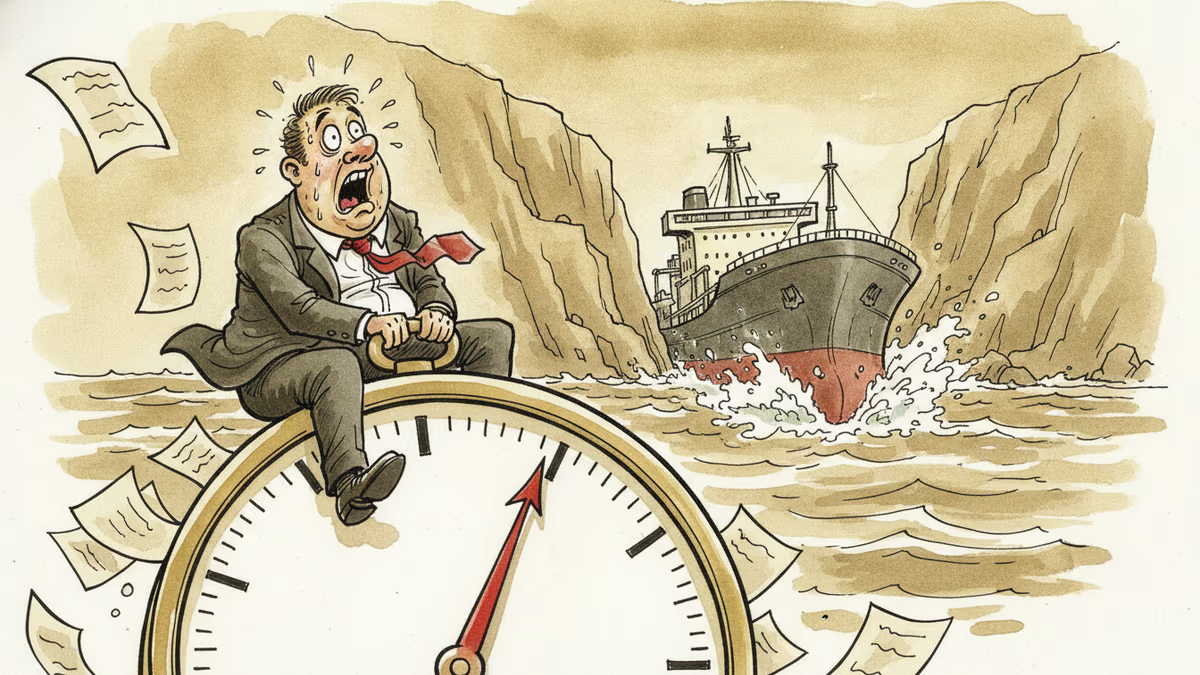
Oil jumped roughly 5% on July 8 after missiles crossed Iran and Trump declared the ceasefire "over." Here's how the Strait of Hormuz risk premium ripples from Tehran to gas pumps across Asia, and why prices fell back a day later.
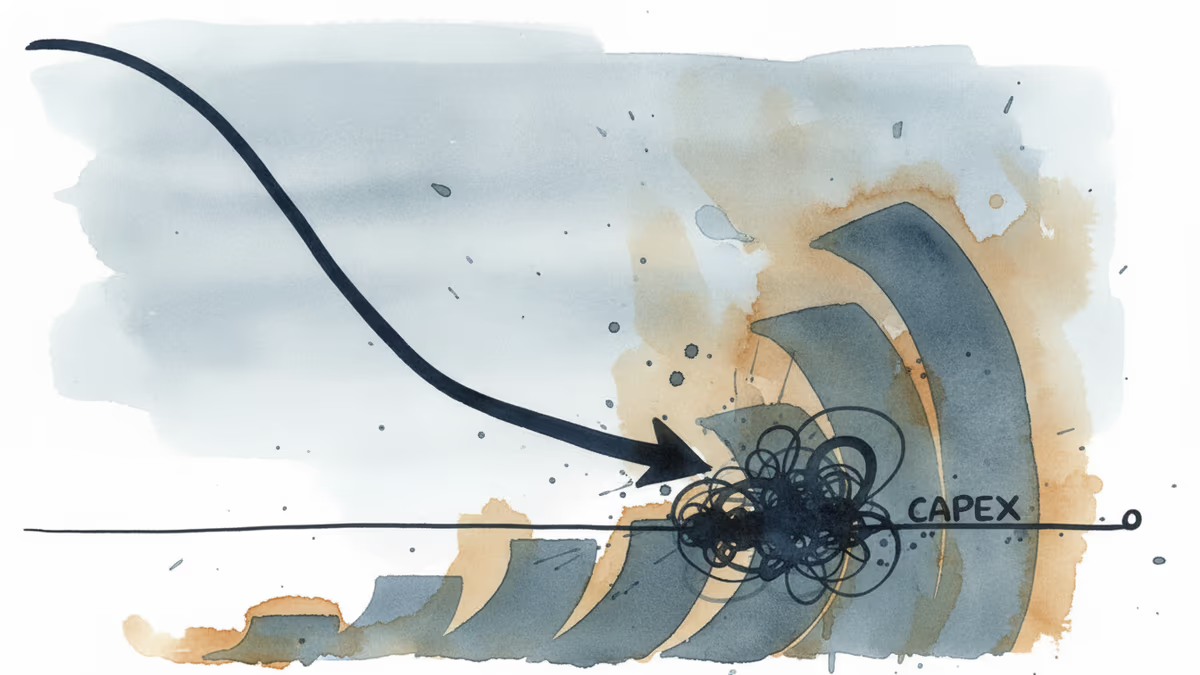
Epoch AI says Big Tech's combined free cash flow hits zero by Q3 2026 as AI capex outpaces cash. Compare the bubble and bull case—and check your 401(k).
South Korea's KOSPI index fell, snapping a 3-day winning streak, due to profit-taking by retail investors. In contrast, the Korean won surged by the most in 3 years after government intervention.
The Bank of Korea lifted its benchmark rate a quarter-point to 2.75%, its first increase in three and a half years. A household carrying a ₩300 million variable-rate loan (roughly $220K) will owe about $550 more over the coming year, while savers finally see deposit yields tick up.
Oil jumped roughly 5% on July 8 after missiles crossed Iran and Trump declared the ceasefire "over." Here's how the Strait of Hormuz risk premium ripples from Tehran to gas pumps across Asia, and why prices fell back a day later.
Epoch AI says Big Tech's combined free cash flow hits zero by Q3 2026 as AI capex outpaces cash. Compare the bubble and bull case—and check your 401(k).
Thoughts
Share your thoughts on this article
Sign in to join the conversation