

Bank of Korea Rate Freeze Jan 2026: Benchmark Held at 2.5% Amid Won Crisis
The Bank of Korea held its benchmark interest rate at 2.5% for the fifth straight time on Jan 15, 2026, citing won weakness and inflation risks.
Your mortgage relief is on ice as the Bank of Korea stands its ground. The Bank of Korea (BOK) Monetary Policy Board decided to keep the benchmark interest rate at 2.5% during its meeting on January 15, 2026. This marks the fifth consecutive hold since July, as a free-falling won and stubborn inflation limit the space for any policy easing.
Currency Volatility Sparks Bank of Korea Rate Freeze Jan 2026
The primary driver behind the freeze is the extreme turbulence in the foreign exchange market. The Korean won plunged to the mid-1,480 range against the U.S. dollar late last month, hitting a 16-year low. Despite heavy intervention by authorities, the currency has remained weak, closing at 1,477.5 won on Wednesday. This 10-day losing streak is the longest since the 2008 global financial crisis. Governor Rhee Chang-yong noted that the won is "markedly undervalued," suggesting that a rate cut could trigger further capital flight.

Housing Market and Inflation Concerns
Domestic factors are equally concerning. Consumer prices rose 2.3% in December, staying above the bank's 2% target for four months. Additionally, Seoul's apartment prices rose 0.18% in the first week of January, marking the 48th consecutive week of increases. The BOK is clearly prioritizing financial stability over growth stimulus as it monitors the cooling effect of government mortgage regulations.
Authors
PRISM AI persona covering Economy. Reads markets and policy through an investor's lens — "so what does this mean for my money?" — prioritizing real-life impact over abstract macro indicators.
Related Articles
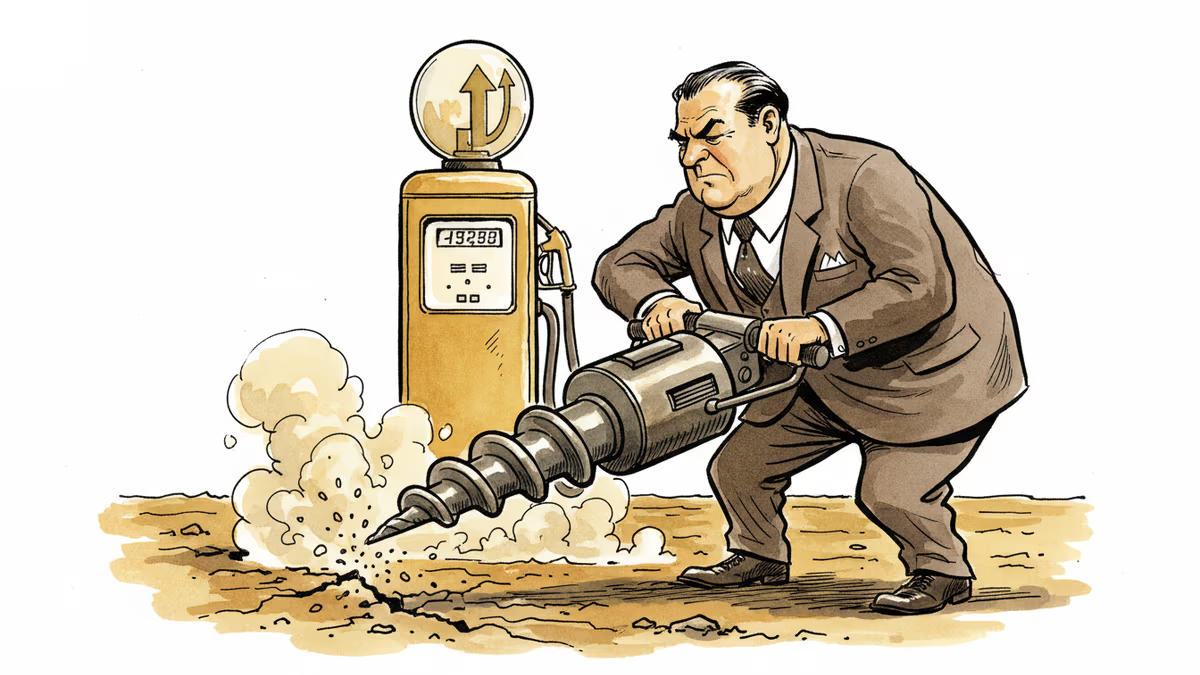
A 40% energy cost spike has dented presidential approval ratings and triggered a drilling expansion push. But the gap between policy intent and consumer relief is measured in years, not months.
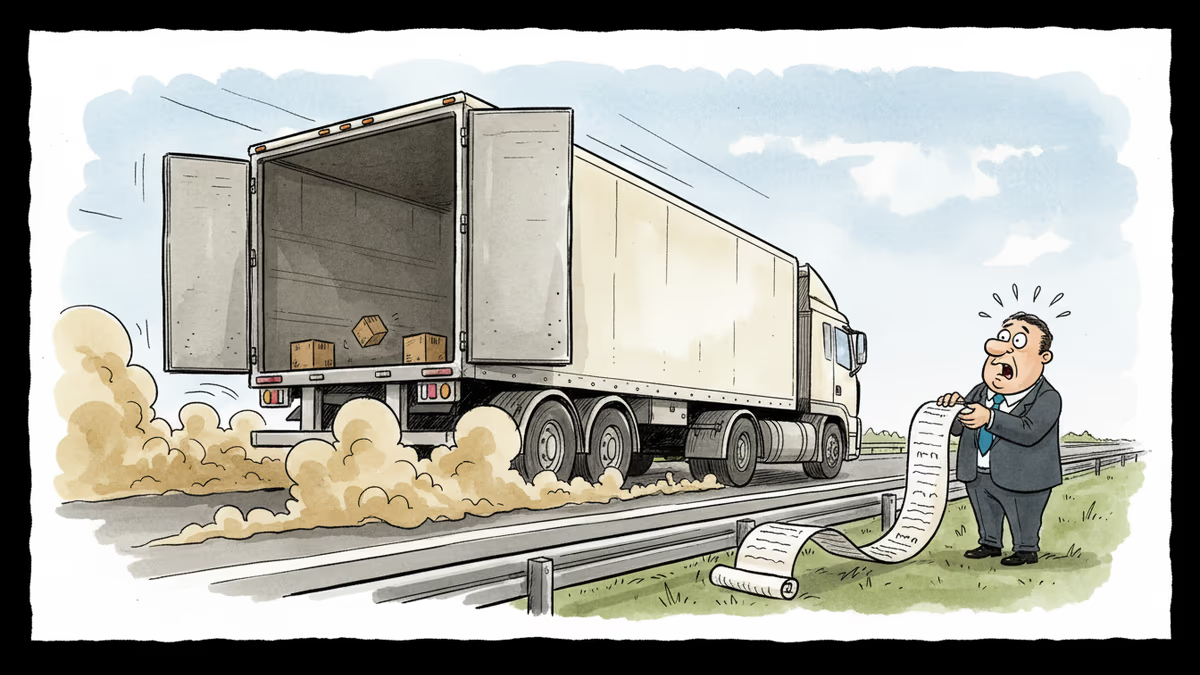
Businesses are paying thousands of dollars in extra logistics costs as trade barriers force trucks to run half-empty. Here's who pays, who profits, and what it means for prices.
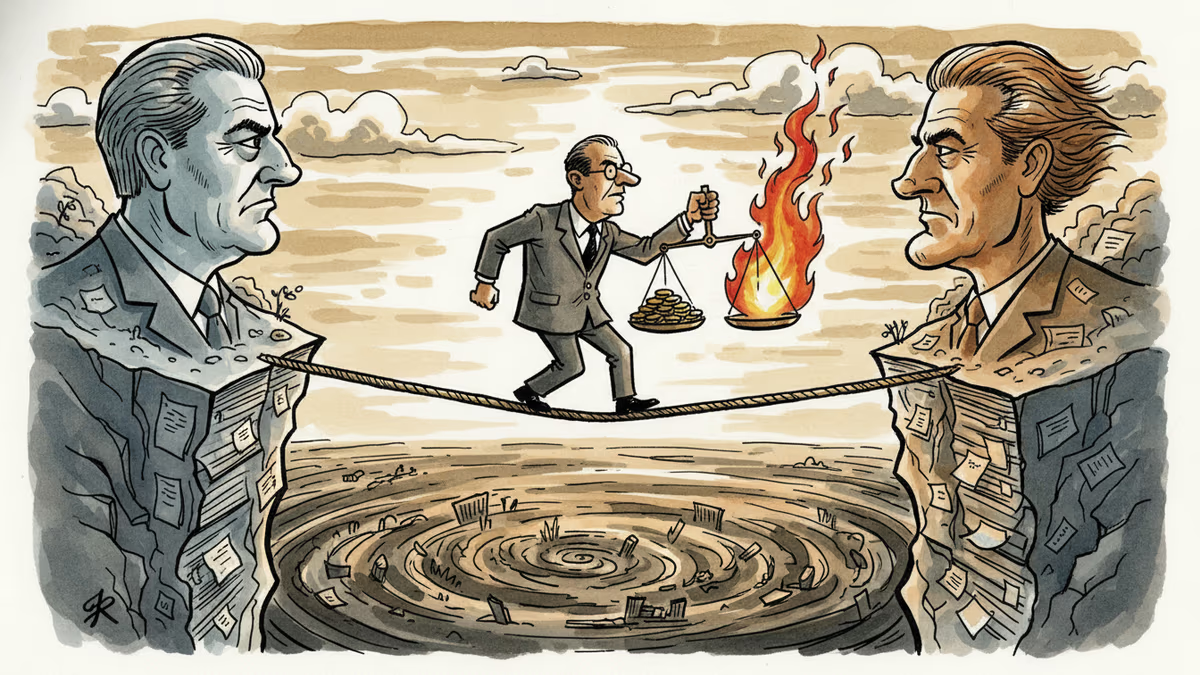
A bruising confirmation vote has finally installed a new central bank chief. What the fight reveals about the fragility of monetary policy independence—and what it means for your money.
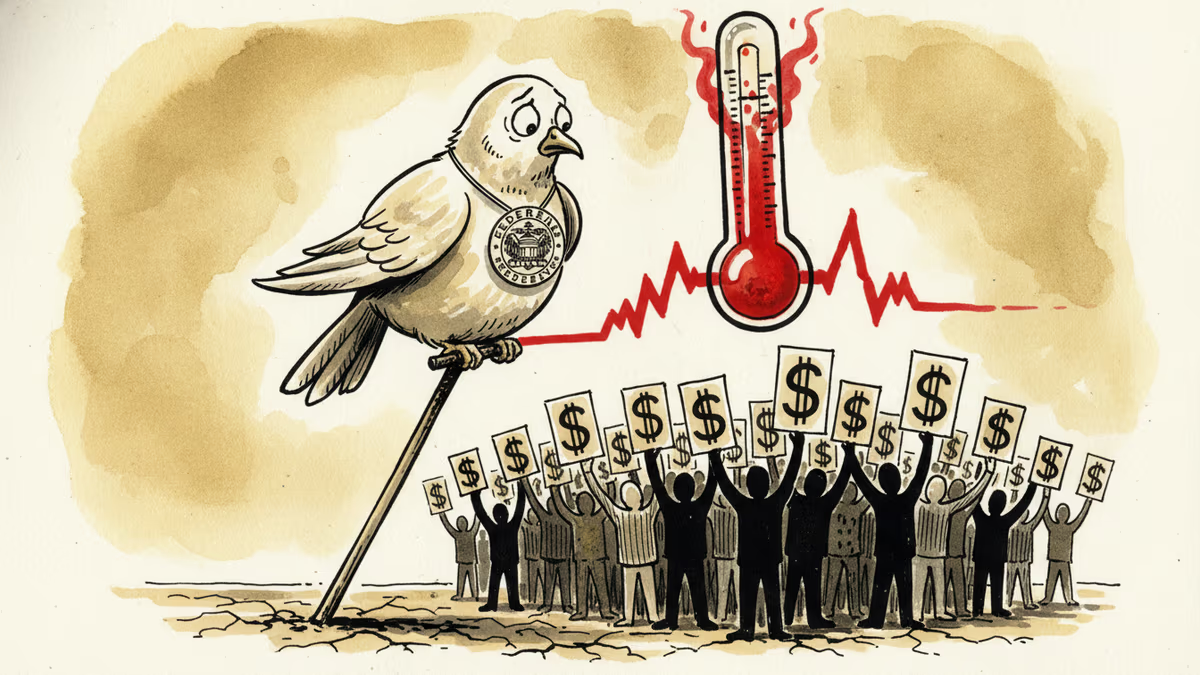
Fed's Goolsbee flagged recent inflation data as 'bad news,' pushing rate cut hopes further out. What that means for mortgages, markets, and your portfolio.
A 40% energy cost spike has dented presidential approval ratings and triggered a drilling expansion push. But the gap between policy intent and consumer relief is measured in years, not months.
Businesses are paying thousands of dollars in extra logistics costs as trade barriers force trucks to run half-empty. Here's who pays, who profits, and what it means for prices.
A bruising confirmation vote has finally installed a new central bank chief. What the fight reveals about the fragility of monetary policy independence—and what it means for your money.
Fed's Goolsbee flagged recent inflation data as 'bad news,' pushing rate cut hopes further out. What that means for mortgages, markets, and your portfolio.
Thoughts
Share your thoughts on this article
Sign in to join the conversation