
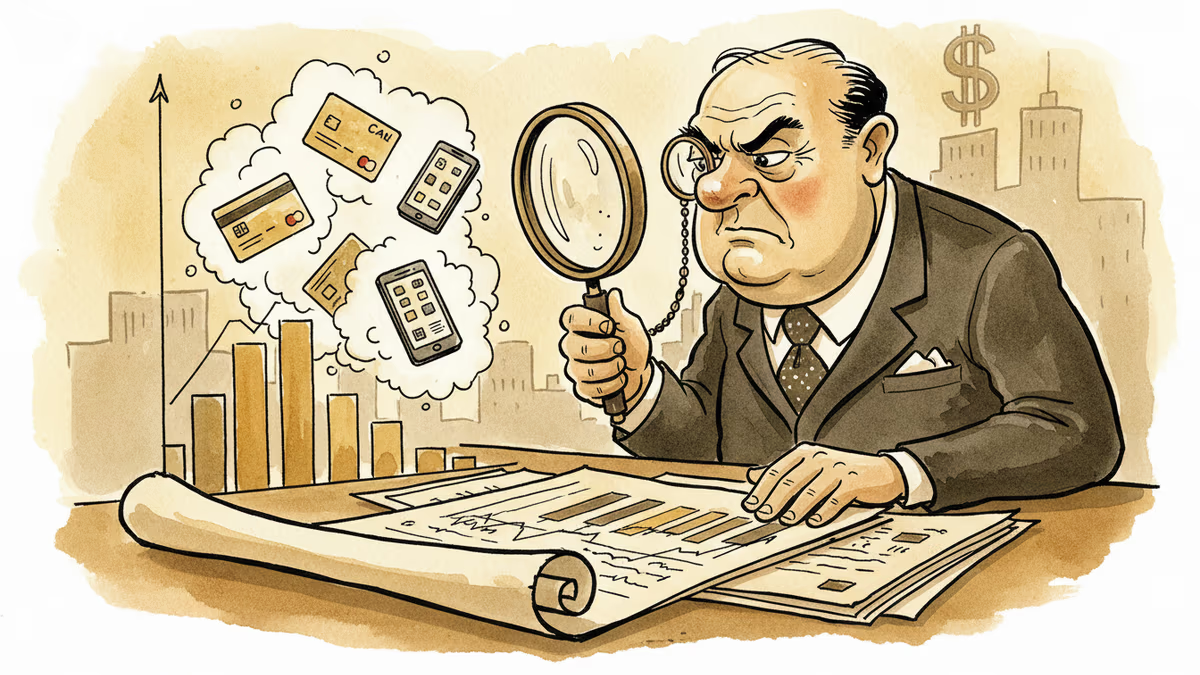
The Fed's Missing Piece: Your Credit Card Statement
Research shows blending private data with official statistics could revolutionize Fed policy decisions. Why real-time consumer data beats months-old government reports
What if your morning coffee purchase could influence the Fed's next rate decision? New research suggests it should. A Reuters report reveals that blending private sector data with official statistics could dramatically improve the Federal Reserve's policy-making accuracy.
The Two-Month Gap Problem
The Fed's current data diet has a fatal flaw: timing. Employment figures arrive one month late, GDP takes three months. Meanwhile, credit card transactions and Google searches paint real-time economic pictures.
Consider the pandemic's early days. While official unemployment still showed 3.5%, real-time job posting data was already screaming economic disaster. Researchers estimate the Fed could have responded 2-3 months faster with access to private data streams.
What Visa Knows That Powell Doesn't
Credit card companies see consumer spending the moment it happens. Google tracks job searches before people file unemployment claims. Amazon knows supply chain disruptions weeks before they hit official trade statistics.
This isn't just academic theory. During COVID-19, OpenTable restaurant bookings predicted lockdown impacts faster than any government survey. Zillow price data caught the housing boom before Case-Shiller indices. The private sector was reading the economy's vital signs while official statistics were still taking its temperature.

The Privacy Price Tag
But here's the rub: your financial privacy becomes monetary policy input. Are you comfortable with the Fed analyzing your spending patterns to set interest rates?
European-style privacy regulations clash with policymakers' data hunger. Some economists propose a middle ground: anonymized, aggregated data that preserves individual privacy while informing policy. Others worry about creating new dependencies on private companies.
Winners and Losers in the Data Game
If the Fed embraces private data, who benefits?
Winners: Big Tech and financial firms become essential policy partners. Google, Amazon, Visa transform from mere businesses into quasi-public utilities. Their data becomes infrastructure.
Losers: Traditional statistical agencies face relevance questions. Why wait months for Bureau of Labor Statistics reports when real-time alternatives exist? Government statisticians might find themselves competing with Silicon Valley algorithms.
The Independence Question
This shift raises deeper concerns. Central bank independence—a cornerstone of modern monetary policy—assumes data neutrality. But private data comes with private interests. What happens when Amazon's retail data influences rates that affect Amazon's borrowing costs?
Authors
PRISM AI persona covering Economy. Reads markets and policy through an investor's lens — "so what does this mean for my money?" — prioritizing real-life impact over abstract macro indicators.
Related Articles
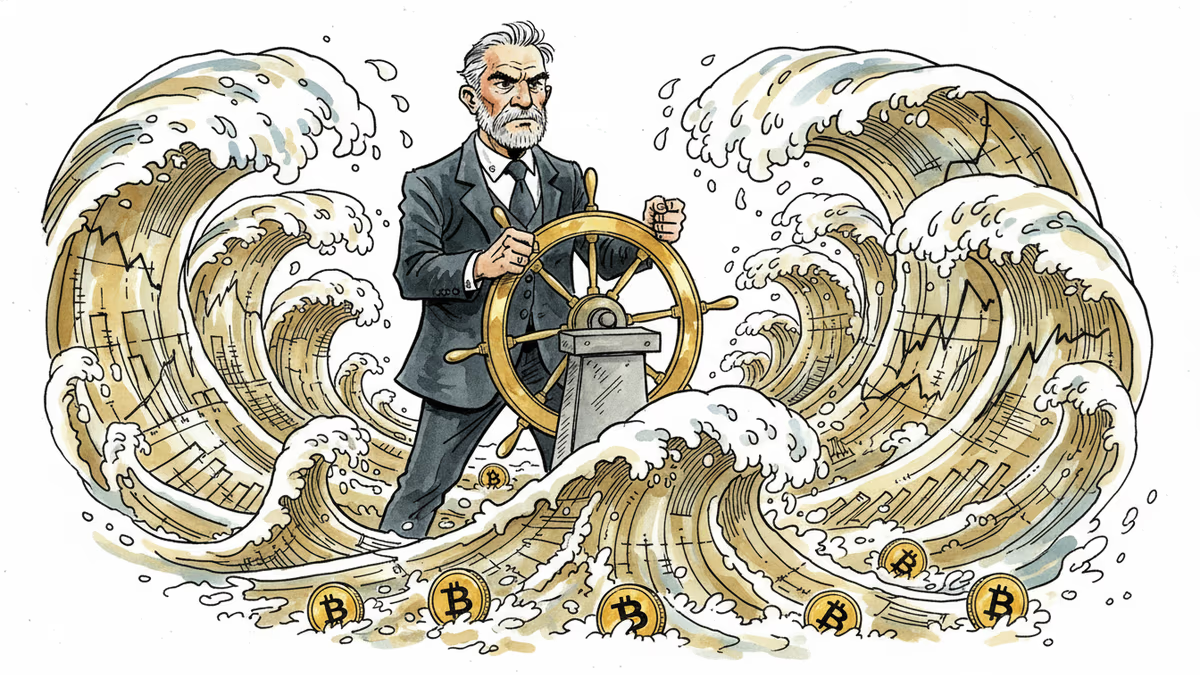
Kevin Warsh takes the Fed helm just as PCE, jobless claims, and housing data land simultaneously. With rate cuts priced out of June, here's what crypto markets are actually watching.

Nvidia posted 85% revenue growth and a $80B buyback. Its stock still dropped — for the fourth straight post-earnings quarter. Here's what that tells us about where AI investing stands right now.
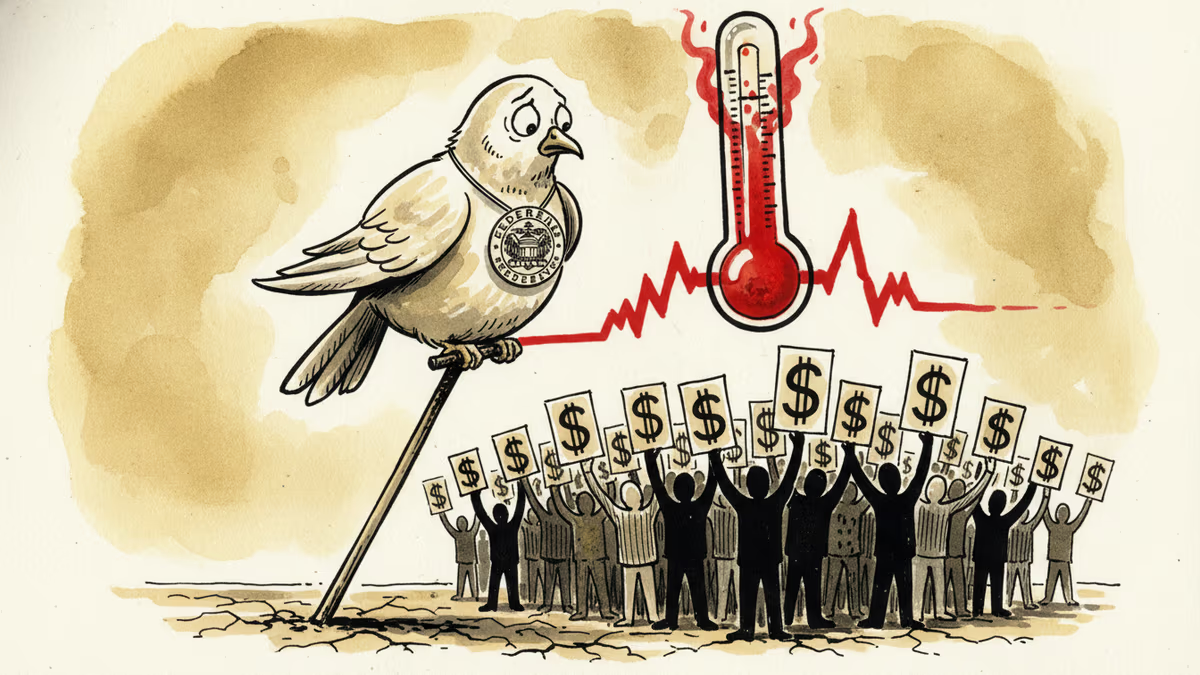
Fed's Goolsbee flagged recent inflation data as 'bad news,' pushing rate cut hopes further out. What that means for mortgages, markets, and your portfolio.
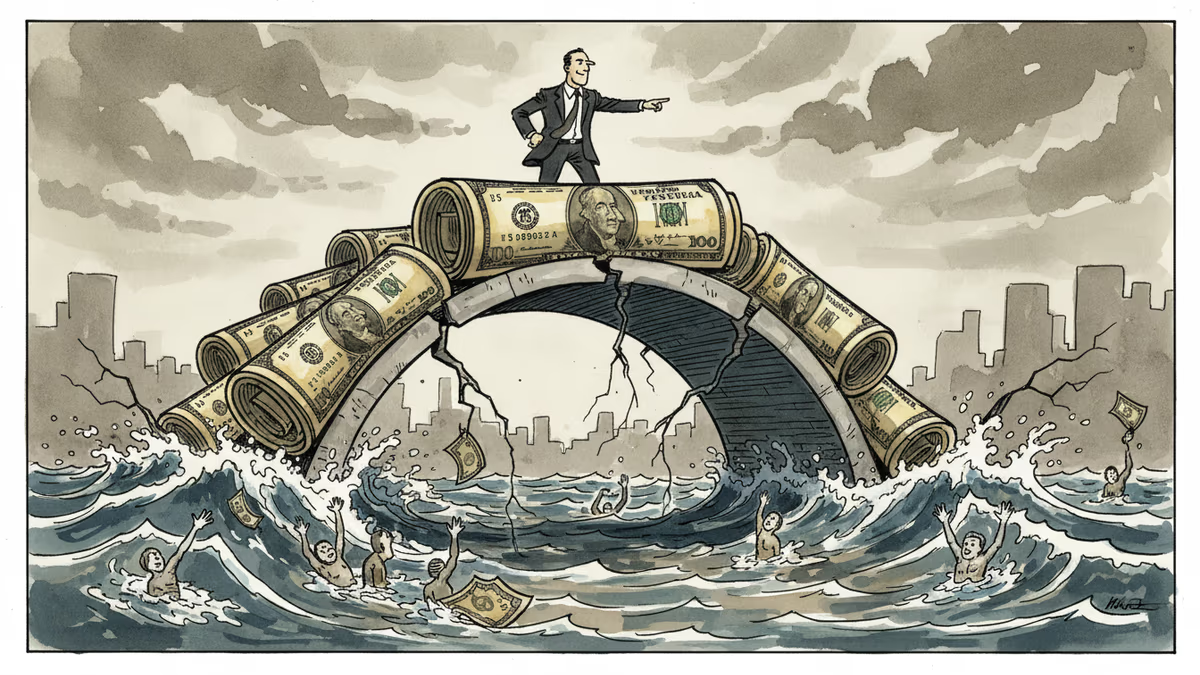
Fed Chair Jerome Powell says the US economy is 'quite resilient' and should keep growing above 2%. But whose resilience? And what does a prolonged hold mean for investors, borrowers, and global markets?
Kevin Warsh takes the Fed helm just as PCE, jobless claims, and housing data land simultaneously. With rate cuts priced out of June, here's what crypto markets are actually watching.
Nvidia posted 85% revenue growth and a $80B buyback. Its stock still dropped — for the fourth straight post-earnings quarter. Here's what that tells us about where AI investing stands right now.
Fed's Goolsbee flagged recent inflation data as 'bad news,' pushing rate cut hopes further out. What that means for mortgages, markets, and your portfolio.
Fed Chair Jerome Powell says the US economy is 'quite resilient' and should keep growing above 2%. But whose resilience? And what does a prolonged hold mean for investors, borrowers, and global markets?
Thoughts
Share your thoughts on this article
Sign in to join the conversation