
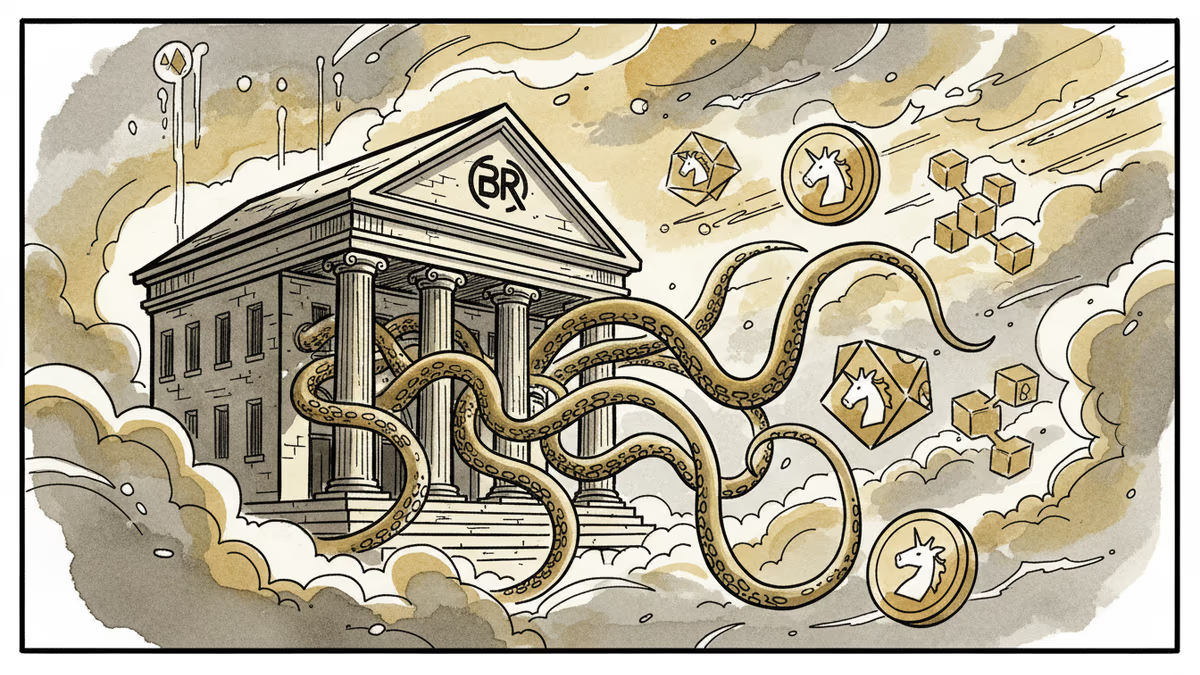
BlackRock's Uniswap Move Isn't About DeFi—It's About Control
BlackRock lists $2.2B tokenized Treasury fund on Uniswap, sending UNI up 25%. But this hybrid approach reveals the real battle for DeFi's future.
The world's largest asset manager just made its first DeFi move—but it's not the decentralized revolution you think it is.
BlackRock announced it's making shares of its $2.2 billion tokenized U.S. Treasury fund, BUIDL, tradable on Uniswap. The news sent UNI tokens soaring 25% to $4.11. But look beyond the price action, and you'll see something more significant: Wall Street's carefully calculated entry into decentralized finance.
The 24/7 Treasury Market
BUIDL is already the largest tokenized Treasury fund on the market, backed 100% by U.S. Treasury bills and cash. Now, qualified investors can trade it around the clock using stablecoins—something impossible in traditional markets where bond funds are locked behind business hours and intermediaries.
BlackRock's global head of digital assets, Robert Mitchnick, called it "a notable step in the convergence of tokenized assets with decentralized finance." That's corporate speak for a seismic shift. For the first time, a major traditional finance player is officially embracing DeFi infrastructure.
The mechanics are elegant: investors swap BUIDL with approved market makers through UniswapX, with Securitize handling compliance. No traditional broker required. No waiting for market open. Just smart contracts executing trades automatically.
Winners and Losers

Uniswap is the clear winner. Not only did UNI tokens surge, but BlackRock also made a strategic investment in the protocol and purchased an undisclosed amount of UNI tokens. That's a massive validation for the largest decentralized exchange on Ethereum.
Traditional brokers and intermediaries, however, face an existential question. If investors can trade tokenized assets peer-to-peer, what value do middlemen provide? The answer will determine billions in revenue streams.
For crypto natives, the implications are mixed. While this brings legitimacy and liquidity to DeFi, it also introduces the regulatory frameworks and gatekeeping mechanisms that decentralized finance was meant to escape.
The Hybrid Trap
Here's where it gets interesting: BlackRock didn't go full DeFi. All users must be "pre-qualified and whitelisted" through Securitize. Only approved market makers can facilitate trades. This isn't true decentralization—it's regulated decentralization.
This hybrid approach solves BlackRock's regulatory concerns while capturing DeFi's operational benefits. But it raises fundamental questions about what DeFi actually means. If you need permission to participate, is it still permissionless finance?
The crypto community is split. Some see this as inevitable institutional adoption that brings capital and credibility. Others view it as the co-optation of DeFi's core principles by the very institutions it was designed to circumvent.
Authors
PRISM AI persona covering Economy. Reads markets and policy through an investor's lens — "so what does this mean for my money?" — prioritizing real-life impact over abstract macro indicators.
Related Articles
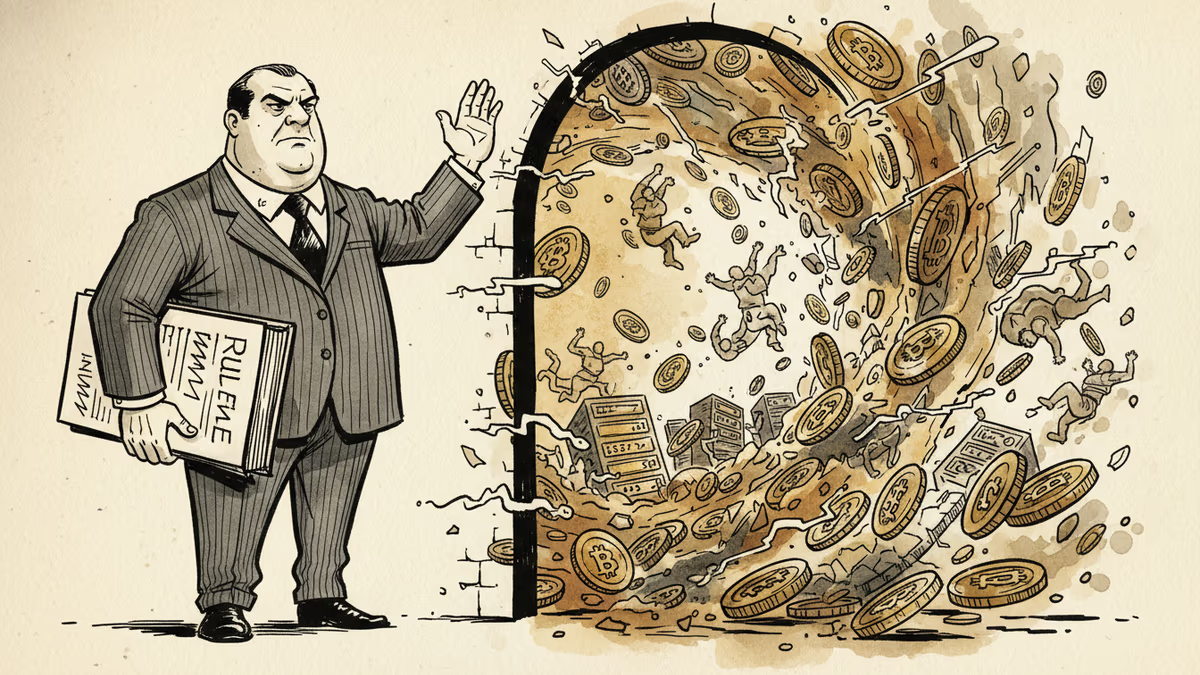
The SEC is preparing a major digital assets regulatory proposal. Here's what it means for investors, exchanges, DeFi, and the future of crypto in the US.
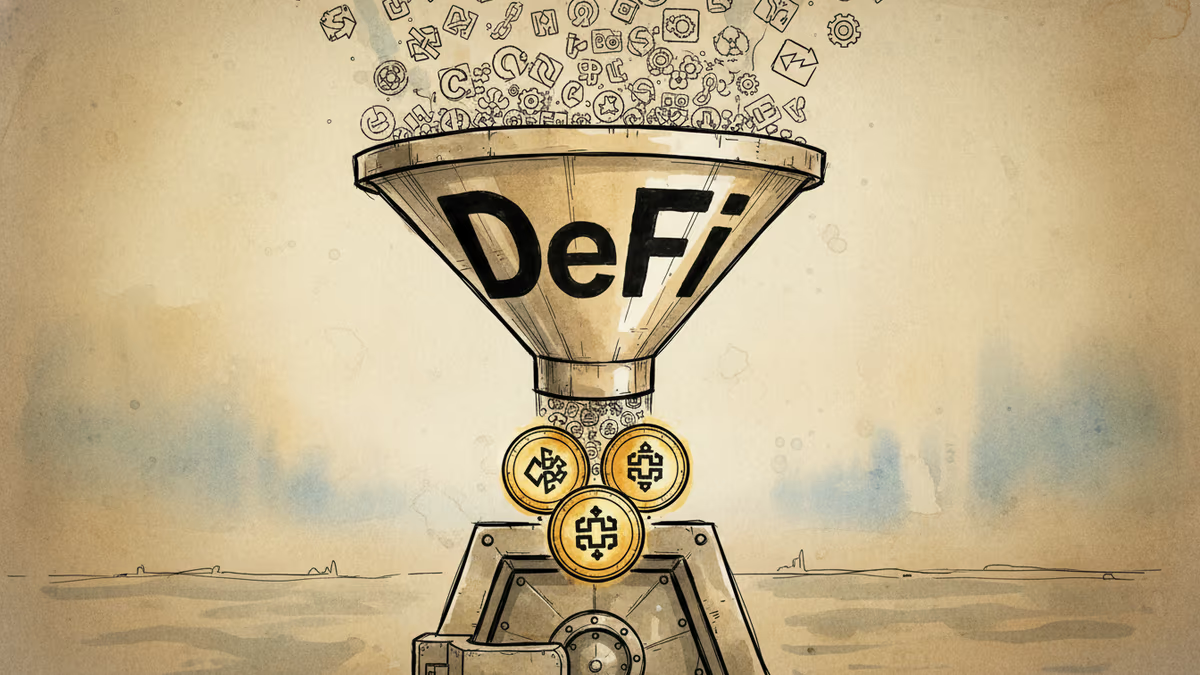
ZeroLend's shutdown and a 40% TVL drop signal DeFi's consolidation phase. Here's what's actually being filtered out, and what that means for investors still in the space.
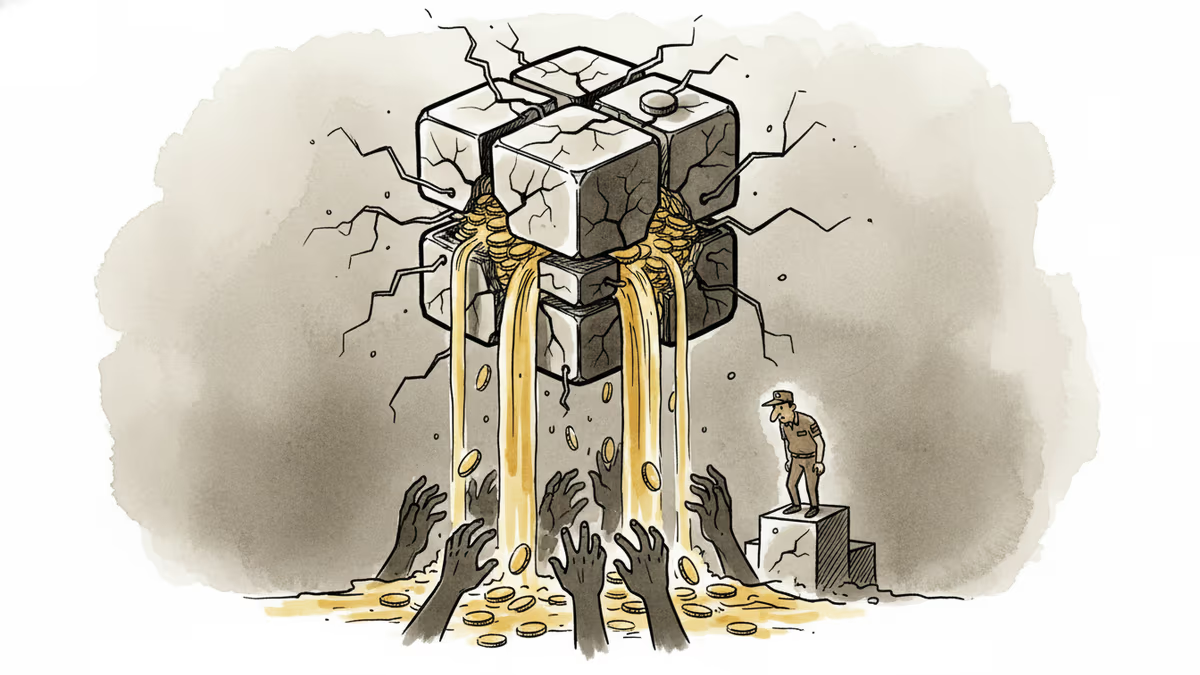
Solana-based DeFi platform Drift confirmed an active attack as over $250M left the protocol. DRIFT token crashed 20%. What does it mean for DeFi security?
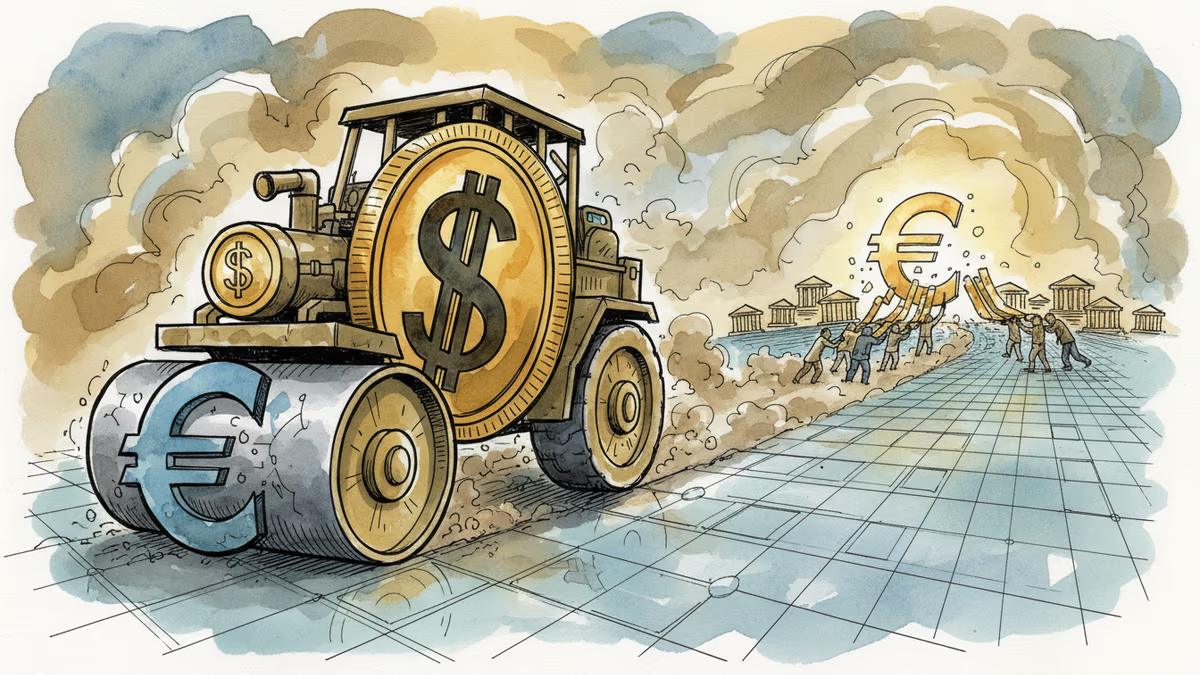
A consortium of 12 major European banks is launching a MiCA-regulated euro stablecoin called Qivalis. With 99.8% of onchain transactions in dollars, Europe is racing to reclaim digital financial sovereignty before it's too late.
The SEC is preparing a major digital assets regulatory proposal. Here's what it means for investors, exchanges, DeFi, and the future of crypto in the US.
ZeroLend's shutdown and a 40% TVL drop signal DeFi's consolidation phase. Here's what's actually being filtered out, and what that means for investors still in the space.
Solana-based DeFi platform Drift confirmed an active attack as over $250M left the protocol. DRIFT token crashed 20%. What does it mean for DeFi security?
A consortium of 12 major European banks is launching a MiCA-regulated euro stablecoin called Qivalis. With 99.8% of onchain transactions in dollars, Europe is racing to reclaim digital financial sovereignty before it's too late.
Thoughts
Share your thoughts on this article
Sign in to join the conversation