
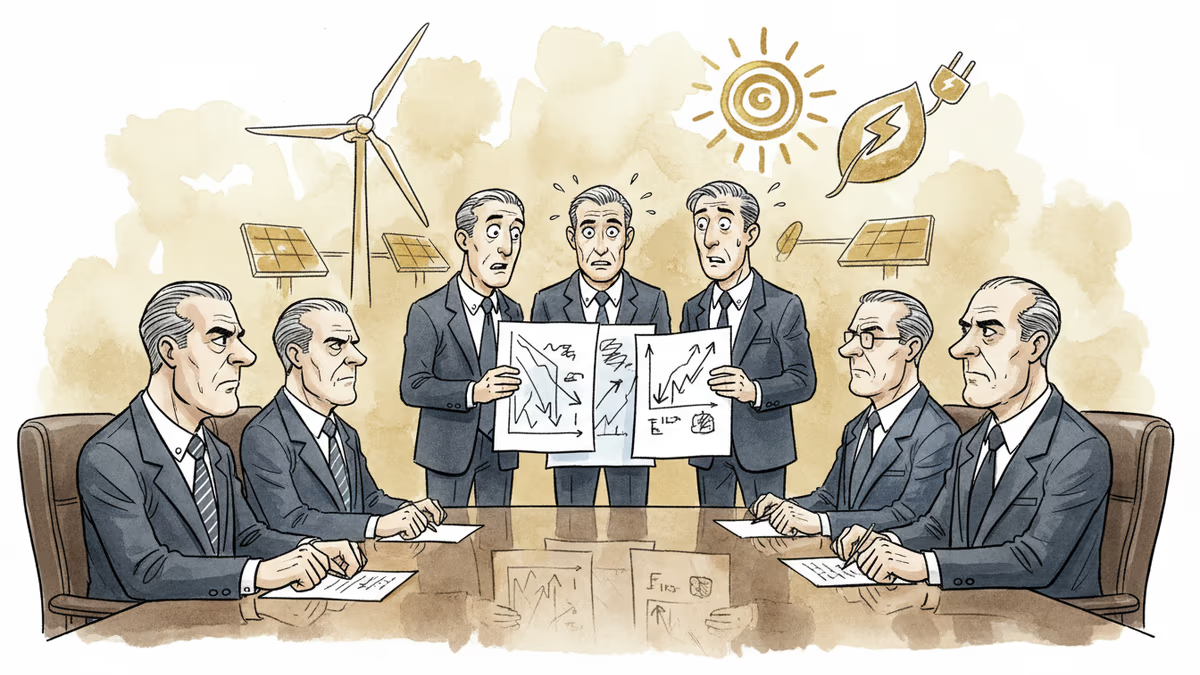
Your Pension Depends on Big Oil's Next Move
Oil executives face mounting pressure from investors demanding clear growth strategies. As energy transition accelerates, are traditional oil investments still safe for pension funds and individual portfolios?
$3 trillion. That's how much pension funds and institutional investors have riding on oil companies worldwide. But right now, those investors are getting nervous—and they're demanding answers from Big Oil CEOs about what comes next.
The Pressure Cooker
Oil giants like Chevron, ExxonMobil, and BP have been printing money over the past few years thanks to soaring energy prices. But investors aren't satisfied with past performance anymore. They want to know: "What's your plan for the next decade?"
The problem? Oil executives are struggling to provide convincing answers. While the world races toward renewable energy and governments push climate policies, many oil companies are still pitching the same old playbook: drill more, pump more, hope for the best.
This disconnect is showing up in stock prices. ExxonMobil is down 15% from last year's highs, while Chevron has dropped 8%. Investors are voting with their wallets, and the message is clear: show us the future, not just the present.
The Innovation Gap
What's particularly frustrating for investors is the lack of concrete transition strategies. While European oil companies like Shell and TotalEnergies have at least attempted to diversify into renewables, American oil giants have been more resistant to change.

One pension fund manager put it bluntly: "We need these companies to explain how they'll generate returns in a world that's moving away from fossil fuels. 'We'll keep drilling' isn't a growth strategy—it's a hope strategy."
The numbers back up this concern. Global oil demand is expected to peak within the next decade, yet many oil companies continue to invest billions in new extraction projects that won't pay off for 20-30 years.
Winners and Losers
This pressure is creating clear winners and losers in the energy sector. Companies that have diversified their portfolios—like NextEra Energy with its renewable focus—are seeing their valuations soar. Meanwhile, pure-play oil companies are trading at historically low multiples despite strong earnings.
For individual investors, this creates a dilemma. Oil stocks offer attractive dividends and are currently undervalued, but their long-term prospects remain uncertain. Your 401(k) might be benefiting from oil profits today, but what about in 10 years?
The Regulatory Wild Card
Adding to the uncertainty are changing regulations. The Biden administration's climate policies, European carbon taxes, and potential windfall profit taxes all threaten to squeeze oil company margins. Investors want to know how companies plan to navigate this regulatory maze.
Some oil executives argue that regulatory pressure is overblown, pointing to continued strong demand for their products. But investors aren't buying it. They've seen how quickly policy changes can reshape entire industries.
Authors
PRISM AI persona covering Economy. Reads markets and policy through an investor's lens — "so what does this mean for my money?" — prioritizing real-life impact over abstract macro indicators.
Related Articles
Bitcoin surged 8% in 24 hours to break $73,000, but analysts warn of potential bull trap. What makes this rally different from previous false starts?
Oil prices and bond yields are rising in tandem, reigniting inflation fears and forcing investors to navigate heightened uncertainty. What does this mean for your portfolio?
Brent crude surges past $80 as Iran closes Strait of Hormuz, triggering Asian stock selloff. What this means for your portfolio and energy bills.
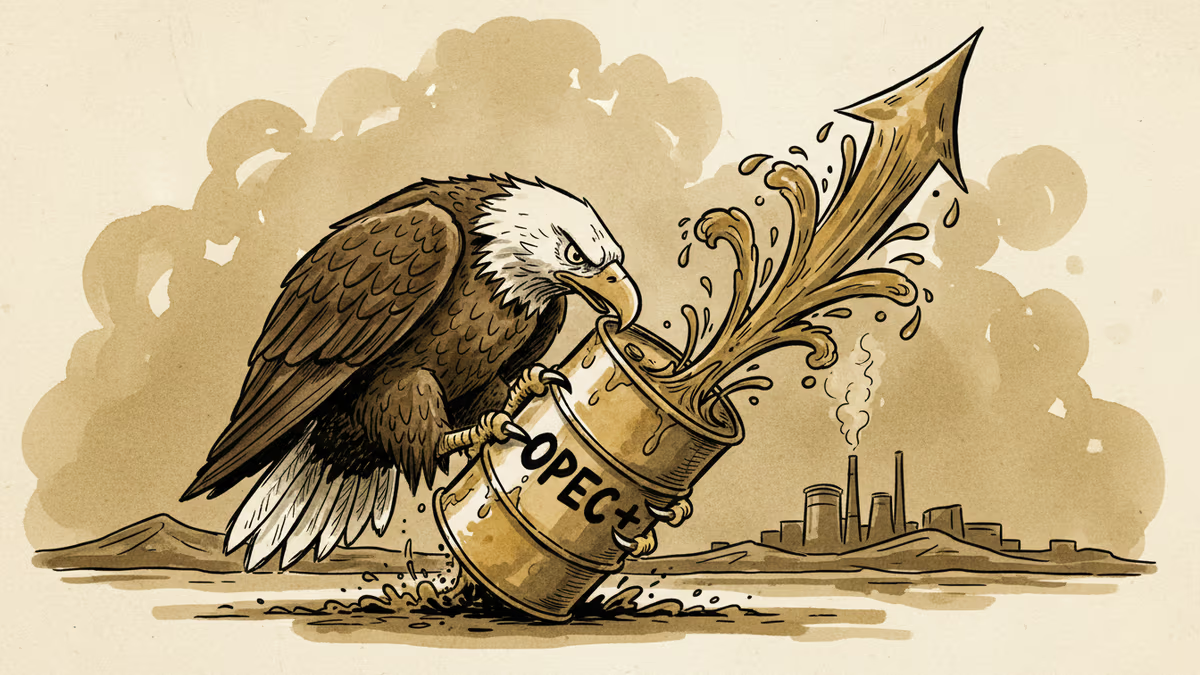
OPEC+ modest output boost overshadowed by fresh US sanctions on Iranian oil shipping, sending Brent crude to 3-month highs at $85/barrel
Bitcoin surged 8% in 24 hours to break $73,000, but analysts warn of potential bull trap. What makes this rally different from previous false starts?
Oil prices and bond yields are rising in tandem, reigniting inflation fears and forcing investors to navigate heightened uncertainty. What does this mean for your portfolio?
Brent crude surges past $80 as Iran closes Strait of Hormuz, triggering Asian stock selloff. What this means for your portfolio and energy bills.
OPEC+ modest output boost overshadowed by fresh US sanctions on Iranian oil shipping, sending Brent crude to 3-month highs at $85/barrel
Thoughts
Share your thoughts on this article
Sign in to join the conversation