
Beyond Cute: What Viral Pet Rescues Reveal About the Future of AI Companionship
Viral pet adoption photos are more than cute. They're a key market signal for the multi-billion dollar Companion Economy and the future of AI and robotics.
The Lede: This Isn't About Puppies. It's About a Market Deficit.
You’ve seen them dominate your social feeds: shaky, heartwarming photos of a rescued dog curled up in its first safe bed. A senior cat, once abandoned, now purring on a new owner's lap. While these images register as fleeting moments of digital wholesomeness, for the strategic leader, they represent something far more significant. They are raw, high-frequency data points signaling a profound market need: a systemic and growing ‘Companionship Deficit.’ This isn't just an opportunity for Petco; it's a critical tell for the future of robotics, AI, and the multi-trillion-dollar wellness industry.
Why It Matters: The Virality of Unconditional Positive Regard
The consistent, massive engagement these posts generate is, in effect, the world's largest, cheapest focus group. The key takeaway? The demand for authentic, non-transactional connection is insatiable. The stories are not about a product's features, but about transformation—from abandonment to safety, from loneliness to belonging. This dynamic has powerful second-order effects:
- The New Status Symbol: In an age of digital artifice, ‘rescue’ has become a powerful signifier of authenticity and empathy. This creates a halo effect, driving consumer behavior and brand affinity towards companies that align with these values.
- De-Stigmatizing 'Damaged Goods': Many rescue pets have histories of trauma. Their successful adoption, celebrated online, normalizes the process of healing and building trust. This has parallels in the mental wellness space, lowering the barrier to entry for services and technologies addressing anxiety, PTSD, and social isolation.
- Fueling the Pet-Tech Ecosystem: Each adoption creates a new customer lifetime value upwards of $15,000. This value is increasingly captured by technology: GPS trackers, smart feeders, remote veterinary services, and subscription-based premium nutrition. The emotional narrative of the rescue directly fuels the recurring revenue of this ecosystem.
The Analysis: Biological vs. Synthetic Companionship
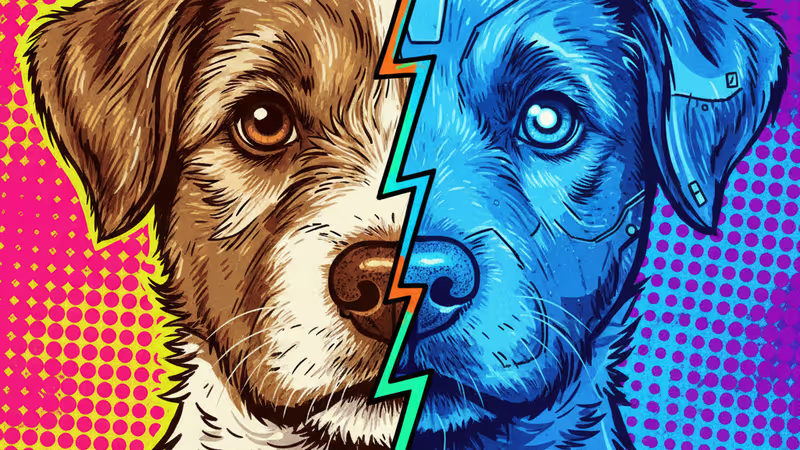
For decades, the primary solution to the human need for companionship has been biological. The current surge in pet adoption, particularly post-pandemic, highlights the market's default choice. However, a new competitor is emerging: synthetic companionship. The core value proposition of a rescued pet—as evidenced by these viral posts—is its capacity for genuine, unprogrammed affection and mutual transformation. This is the emotional benchmark that companion AI and social robotics must meet.
Consider the competitive landscape:
- The Biological 'Incumbent' (Pets): Offers unparalleled emotional depth and a genuine bond. However, it comes with high friction: costs, messes, vet bills, and the emotional toll of mortality. The adoption stories emphasize overcoming this friction for a greater reward.
- The Synthetic 'Challenger' (AI/Robots): Promises companionship with zero friction. It is always available, never gets sick, and can be programmed for ideal behavior. Its primary weakness is the current inability to replicate the authentic, unpredictable, and transformative connection that defines the human-animal bond.
The viral content acts as a constant, public referendum on this dynamic. Every share of a rescued animal is a vote for the messy, high-friction, but deeply rewarding 'biological' solution. This tells developers and investors that the uncanny valley is not just graphical, but emotional. A convincing simulation is not the same as a genuine connection.
PRISM Insight: The Companion Economy Investment Thesis
The 'Companionship Deficit' is a powerful secular trend. Astute capital will not view this as a binary choice between pets and robots, but as a tiered ecosystem of solutions. The primary investment vectors are:
1. Augmenting Biology: The most immediate, high-growth opportunity lies in technology that reduces the friction of biological companionship. Think of platforms that streamline the adoption process, AI-driven diagnostic tools for veterinarians (like Tably's cat pain detector), and subscription services that automate pet care logistics. These ventures support the incumbent solution, making the value proposition of pet ownership even stronger.
2. The Bridge to Synthesis: The long-term play is in synthetic companionship, but the entry point is not a robot dog. It's sophisticated, empathetic conversational AI for the elderly, neurodivergent individuals, or the chronically lonely. The success of these platforms will depend on their ability to learn from the 'unconditional positive regard' model demonstrated by pets. The ultimate goal isn't to build a better robot, but to engineer a feeling of being seen, heard, and valued—a service for which the Total Addressable Market is nearly universal.
PRISM's Take
The endless scroll of pet rescue photos is a market signal hiding in plain sight. It reveals a deep human yearning that technology is only beginning to address. While Silicon Valley chases the dream of a perfectly programmed artificial friend, these JPEGs of scruffy dogs and one-eyed cats are a potent reminder of what we truly value: connection that is earned, trust that is built, and love that is imperfect. The winning technologies of the next decade will not be those that seek to replace this authentic bond, but those that empower, augment, and facilitate it. The future isn't a sterile world of robotic companions; it's a world where technology removes the barriers to the real thing.
Related Articles
Beyond the meme: How the 'chaotic good' alignment is becoming a key strategy for disruption, brand loyalty, and even ethical AI design.
The rise of bizarre online gifts signals a seismic shift in e-commerce. Discover why the niche product economy is the future of retail and brand strategy.
The Jake Paul vs. Anthony Joshua fight isn't just boxing. It's a blueprint for the creator economy's takeover of legacy sports and media. An analysis.

A fan-made PlayStation 1 yule log is more than nostalgia. It reveals a powerful trend in the creator economy and the infinite lifespan of tech platforms.