
Apple Embeds AI Agents Directly Into Xcode, Reshaping Developer Workflows
Apple integrates OpenAI's Codex and Anthropic's Claude Agent into Xcode 16.3, allowing AI to take direct actions beyond coding assistance. A new era for app development?
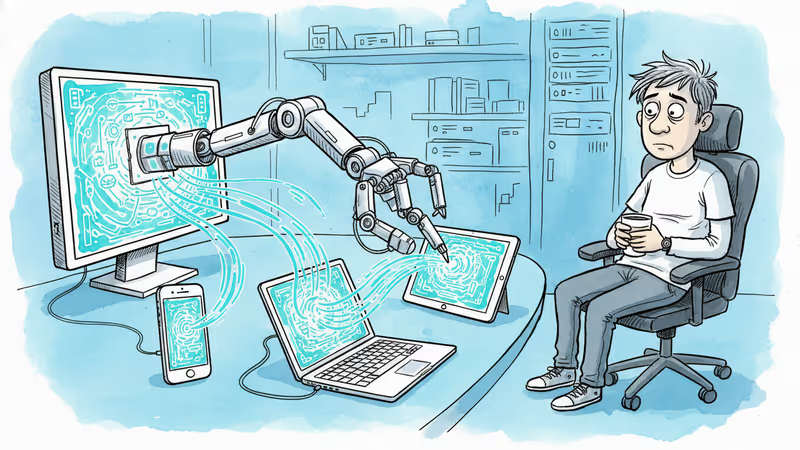
Starting with Xcode 16.3, OpenAI'sCodex and Anthropic'sClaude Agent are no longer just advisors—they're active participants in your development workflow. These AI agents can now write code, modify project settings, search documentation, and take direct actions within Apple's flagship development environment.
This isn't just another coding assistant update. While ChatGPT and Claude were previously available in Xcode, they operated more like sophisticated consultants—offering suggestions and explanations. Now they function as autonomous agents capable of executing tasks on behalf of developers.
Beyond Code Completion
Xcode serves as the primary development environment for iPhone, Mac, iPad, Apple Watch, and Apple TV applications. By embedding AI agents directly into this ecosystem, Apple is fundamentally changing how millions of developers approach app creation.
The shift from passive assistance to active participation represents a significant evolution. Instead of asking "How should I implement this feature?" developers can now request "Implement this feature for me" and watch AI agents handle the execution.
What's particularly noteworthy is Apple's decision to integrate third-party AI models rather than relying solely on their own technology. This pragmatic approach suggests the company prioritizes developer productivity over proprietary pride—a strategic choice that could accelerate adoption across the development community.

Market Implications and Developer Economics
This integration arrives at a critical moment for the software development industry. With 40% of developers reporting burnout and companies struggling to fill technical roles, AI agents could reshape workforce dynamics significantly.
For established tech companies, this means faster iteration cycles and reduced development costs. Startups might find themselves able to compete more effectively with larger teams, as AI agents level the playing field in terms of development velocity.
However, the implications extend beyond productivity gains. Junior developers who relied primarily on coding skills may need to pivot toward higher-level problem-solving and system design. The value proposition of human developers is shifting from code production to strategic thinking and creative problem-solving.
The Broader Developer Ecosystem Response
Microsoft'sGitHub Copilot and Google's development AI tools now face direct competition within Apple's walled garden. This could accelerate the AI arms race in developer tools, potentially leading to more sophisticated capabilities across all platforms.
The integration also raises questions about code quality, security, and intellectual property. When AI agents write substantial portions of applications, how do we ensure security best practices? Who owns the code generated by these systems? These questions become more pressing as AI moves from suggestion to execution.
Authors
Related Articles
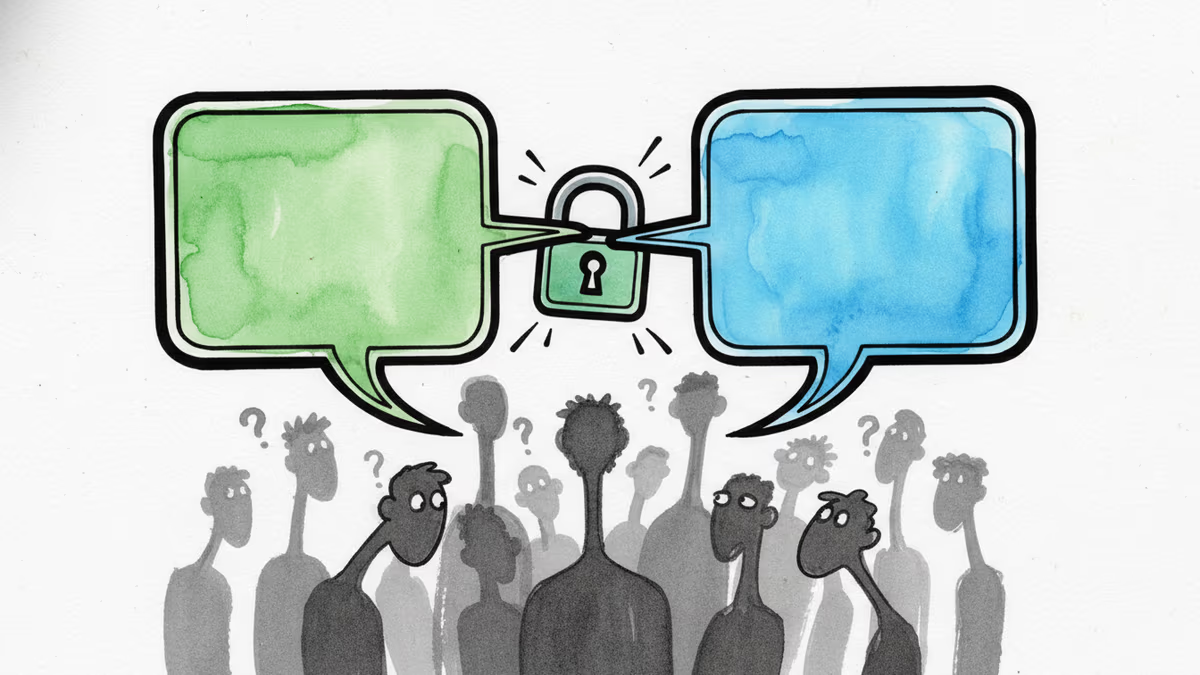
After 15 years of fragmented mobile messaging, Apple and Google are rolling out end-to-end encrypted RCS messaging between iPhones and Android devices. Here's what changed, why it took so long, and what it means for your privacy.
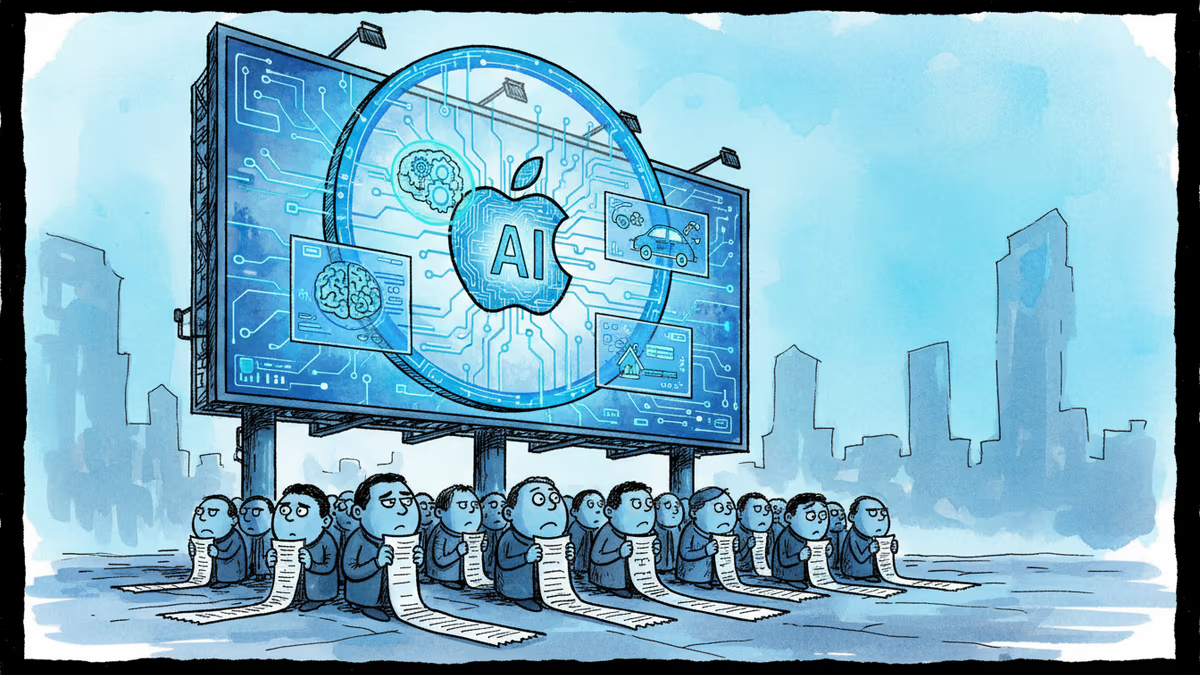
Apple agreed to pay $250 million to settle claims it misled iPhone 16 buyers about Apple Intelligence features. What this means for consumers, Big Tech marketing, and the AI industry.
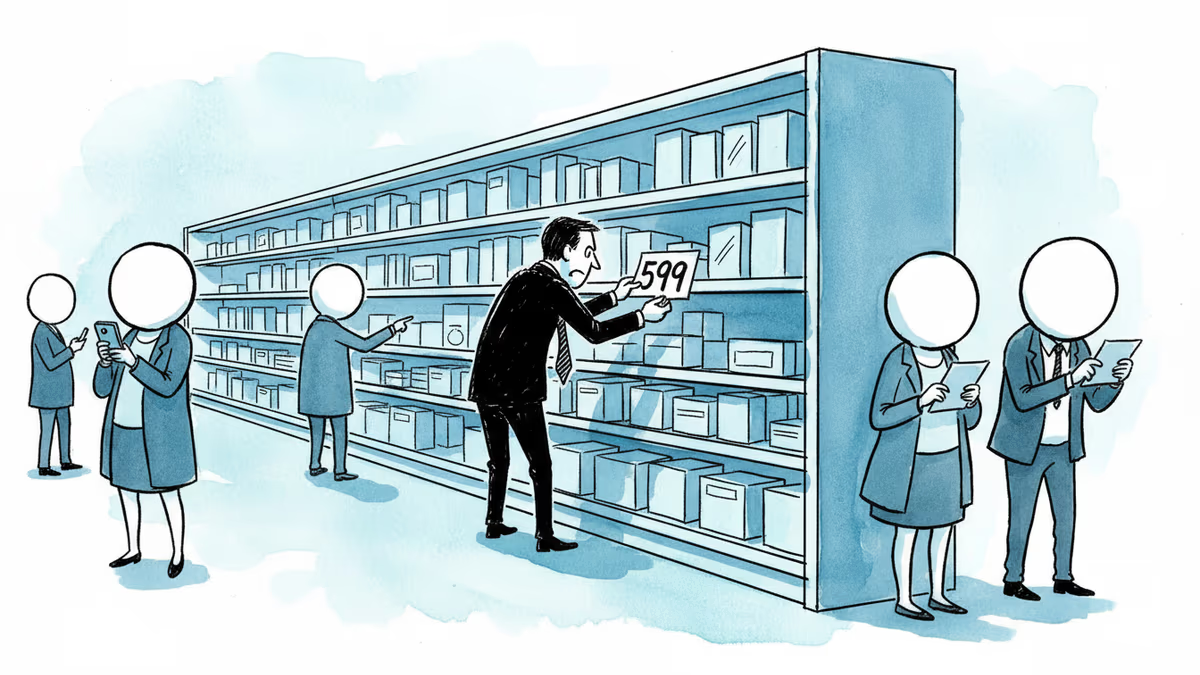
Apple quietly removed the entry-level $599 Mac Mini, raising the starting price to $799 — just one day after Tim Cook warned of chip supply constraints on the earnings call.
Apple names John Ternus, its hardware engineering chief, as the next CEO. The shift from operator to product person signals where Apple thinks its next decade of growth will come from — and raises real questions about what comes next.
After 15 years of fragmented mobile messaging, Apple and Google are rolling out end-to-end encrypted RCS messaging between iPhones and Android devices. Here's what changed, why it took so long, and what it means for your privacy.
Apple agreed to pay $250 million to settle claims it misled iPhone 16 buyers about Apple Intelligence features. What this means for consumers, Big Tech marketing, and the AI industry.
Apple quietly removed the entry-level $599 Mac Mini, raising the starting price to $799 — just one day after Tim Cook warned of chip supply constraints on the earnings call.
Apple names John Ternus, its hardware engineering chief, as the next CEO. The shift from operator to product person signals where Apple thinks its next decade of growth will come from — and raises real questions about what comes next.
Thoughts
Share your thoughts on this article
Sign in to join the conversation