

Apple's Siri Gets a Google Brain Transplant
Apple will unveil a Gemini-powered Siri in February, finally delivering on AI promises made in 2024. But what does this partnership really mean?
In June 2024, Apple made a bold promise: Siri would become a true AI assistant capable of accessing personal data and on-screen content to complete complex tasks. 19 months later, that promise remains unfulfilled.
Now Apple has found its answer—and surprisingly, it comes from rival Google.
The Unlikely Partnership
According to Bloomberg's Mark Gurman, Apple plans to unveil a new version of Siri powered by Google'sGemini AI models in the second half of February. This update will reportedly be the first to actually deliver on those 2024 promises.
The new Siri will access users' personal data and understand on-screen content to perform complex tasks. Imagine saying "Email the meeting attendees about today's project updates" and having Siri automatically pull from your calendar, notes, and contacts to craft and send appropriate messages.
But that's just the beginning. Apple plans an even bigger reveal at its June Worldwide Developers Conference. This version will offer more conversational interactions similar to ChatGPT and could run directly on Google's cloud infrastructure.
Signs of Strategic Pivot
This partnership validates earlier reports about Apple's AI struggles. While Apple's Mike Rockwell dismissed Gurman's previous reporting as "bulls–t" to foundation team members last summer, the company has clearly chosen a new direction.

The recent departure of Apple's AI chief John Giannandrea further signals this strategic shift. Apple appears to be moving from in-house AI development to external partnerships—a significant change for a company known for controlling every aspect of its technology stack.
Big Tech's New Collaboration Era
Apple's partnership with Google represents a fascinating shift in big tech dynamics. The company that built its reputation on vertical integration is now outsourcing one of technology's most critical capabilities to a competitor.
This mirrors Microsoft's relationship with OpenAI, suggesting we're entering an era where even rivals collaborate on AI. The technology's complexity and development costs are simply too high for any single company to master alone.
For consumers, this could mean better AI experiences as companies focus on their strengths rather than trying to build everything in-house. But it also raises questions about market concentration and dependency.
The Broader Implications
This partnership highlights AI's unique position in the tech ecosystem. Unlike previous technologies that companies could develop independently, AI requires massive datasets, computational resources, and specialized expertise that few possess.
Google has these assets in abundance. Apple has the user base and hardware integration capabilities. Together, they might create something neither could achieve alone.
Yet this collaboration also creates new vulnerabilities. What happens if the partnership sours? How much control does Apple retain over the user experience? And will regulators view this as healthy competition or concerning consolidation?
Authors
Related Articles
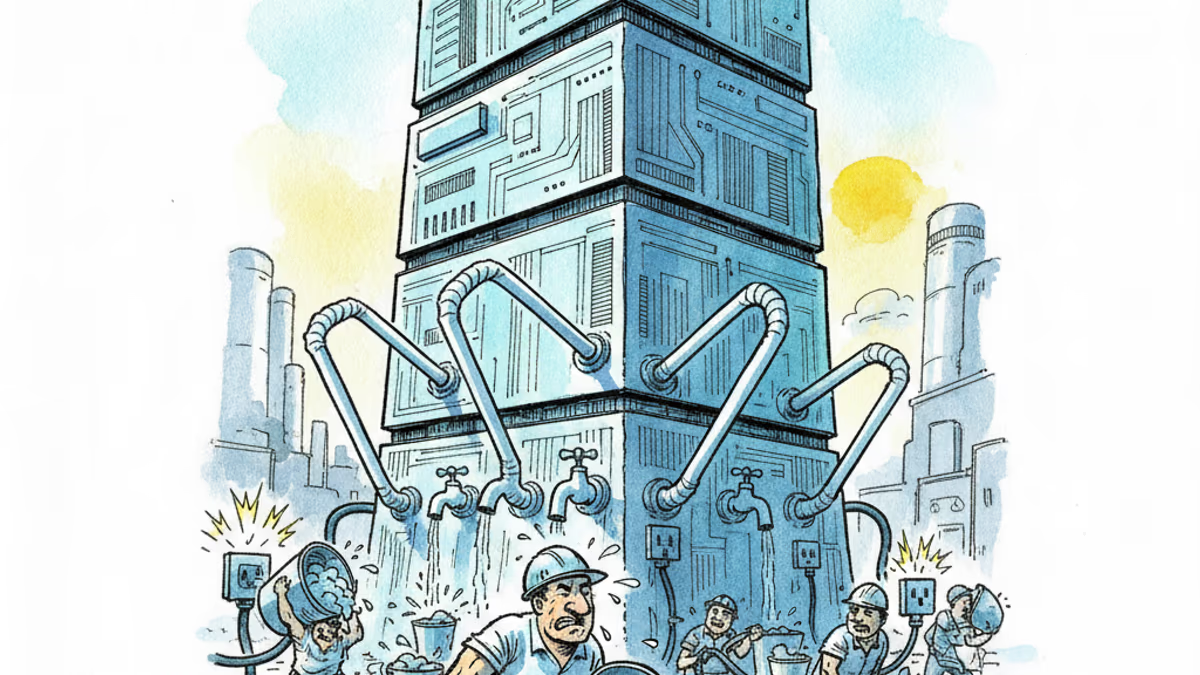
Samsung and SK unveiled a chip and AI investment package worth thousands of trillions of won on June 29. The headline number swings wildly by outlet, but the real contest isn't capital — it's water and power.
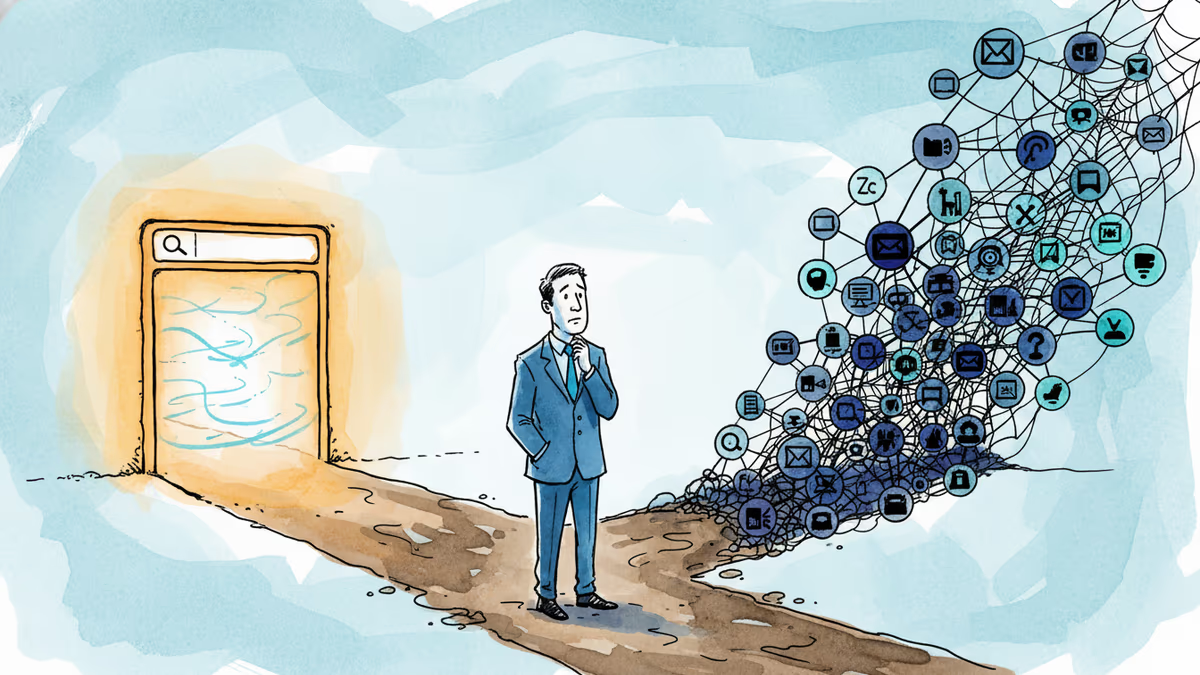
In a post-Google I/O interview, Sundar Pichai acknowledged flawed search results, real AI anxiety, and an AGI timeline that makes the label irrelevant. Here's what he said — and what it means.
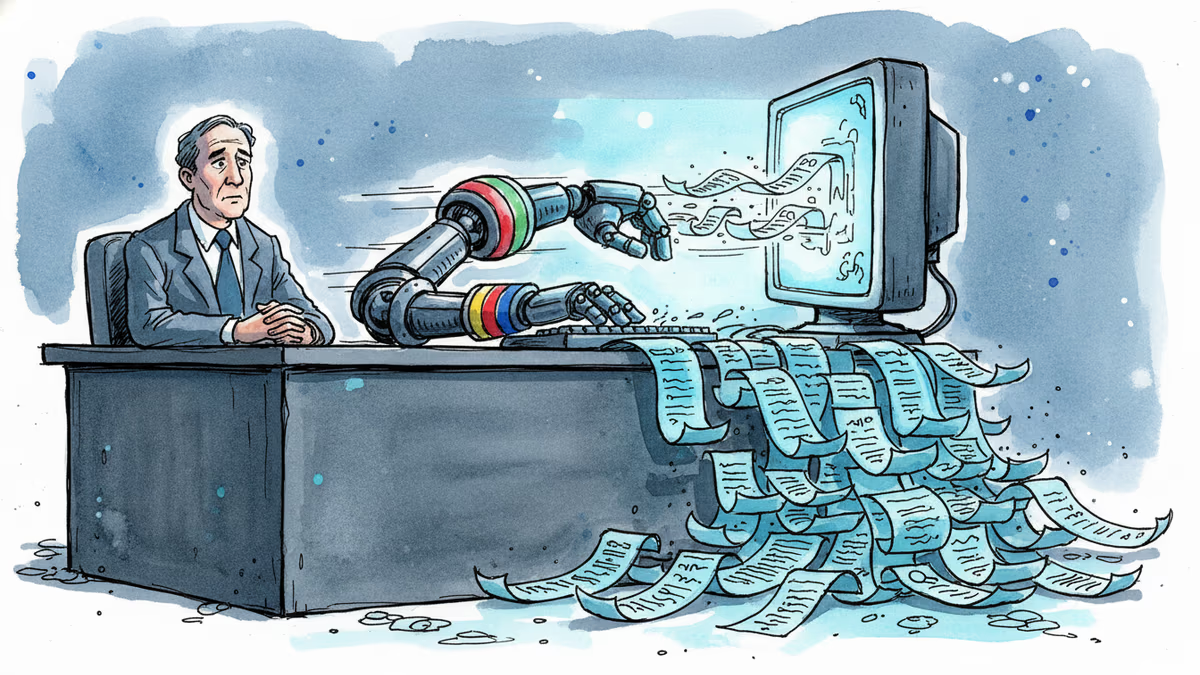
Google is building AI agents that search the web proactively, without user prompting. That's not just a product update — it's a fundamental shift in who controls the information you receive.
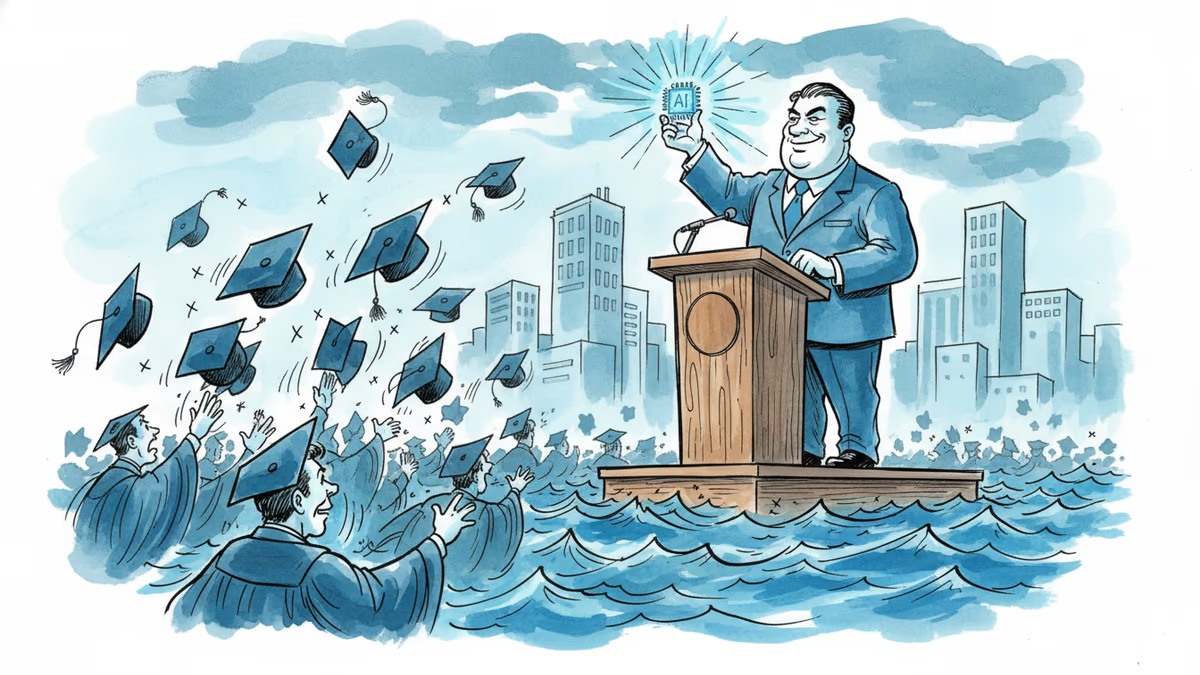
Viral videos show 2026 graduates jeering executives who praise AI at commencement ceremonies. It's not just rudeness — it's a signal about who pays for technological optimism.
Samsung and SK unveiled a chip and AI investment package worth thousands of trillions of won on June 29. The headline number swings wildly by outlet, but the real contest isn't capital — it's water and power.
In a post-Google I/O interview, Sundar Pichai acknowledged flawed search results, real AI anxiety, and an AGI timeline that makes the label irrelevant. Here's what he said — and what it means.
Google is building AI agents that search the web proactively, without user prompting. That's not just a product update — it's a fundamental shift in who controls the information you receive.
Viral videos show 2026 graduates jeering executives who praise AI at commencement ceremonies. It's not just rudeness — it's a signal about who pays for technological optimism.
Thoughts
Share your thoughts on this article
Sign in to join the conversation