
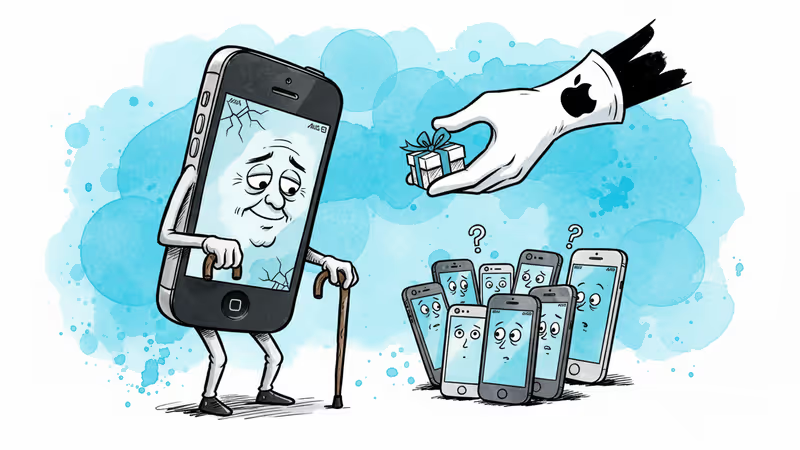
Apple's Quiet Gesture: Keeping 13-Year-Old iPhones Alive
Apple released surprise updates for iOS versions as old as iOS 12, extending iMessage and FaceTime functionality until 2027. A small update reveals bigger questions about tech responsibility.
What if a 13-year-old smartphone could still send messages in 2027? Apple's Monday update release suggests the company hasn't forgotten about devices most people assumed were dead.
The Unexpected Resurrection
Apple quietly pushed updates to iOS versions that hadn't seen patches in months or years. iOS 12.5.8 now works on devices as old as the 2013iPhone 5S. iOS 15.8.6 covers the iPhone 6S and iPad Air 2. iOS 16.7.13 supports the iPhone 8 and iPhone X.
The timing is telling. iOS 12 hadn't been updated since January 2023—nearly two years ago. iOS 15 and iOS 16 last saw patches in mid-2025. Yet here they are, getting one more lifeline.
These aren't security fixes or feature additions. They serve exactly one purpose: updating security certificates so iMessage, FaceTime, and Apple ID sign-in continue working past January 2027, when the original certificates would expire.
The Reality Check
Let's be honest—devices with 1-2GB of RAM struggle as daily drivers today. Their Safari browsers lack modern security features, and most third-party apps stop supporting old iOS versions after a year or two. These aren't phones you'd recommend to anyone as their primary device.

But they've found second lives. That old iPhone 5S becomes a dedicated white noise machine for kids' bedrooms. The iPad Air 2 turns into a kitchen recipe display. Simple messaging devices for elderly relatives who just need to stay connected.
The Philosophy Behind the Patch
While Apple wouldn't call these 12-13 year old devices "actively supported," there's something meaningful about keeping them minimally functional. Compare this to most Android manufacturers who promise 3-4 years of updates and then move on entirely.
Apple's approach reveals a different philosophy: basic communication functions deserve longevity, even when everything else becomes obsolete. It's not comprehensive support, but it's something.
Curiously, iOS 17 devices didn't receive a similar update. The criteria for which versions get extended life remains opaque, adding to the mystery of Apple's support decisions.
The Broader Questions
This small gesture raises larger questions about tech responsibility. In an industry obsessed with the next upgrade cycle, what obligation do companies have to devices they've moved beyond? When does "legacy" become "abandoned"?
For users clinging to older devices—whether by choice or necessity—these updates matter more than headline features. They represent the difference between functional and obsolete, connected and isolated.
Authors
Related Articles
After 15 years of fragmented mobile messaging, Apple and Google are rolling out end-to-end encrypted RCS messaging between iPhones and Android devices. Here's what changed, why it took so long, and what it means for your privacy.
Apple agreed to pay $250 million to settle claims it misled iPhone 16 buyers about Apple Intelligence features. What this means for consumers, Big Tech marketing, and the AI industry.
Apple quietly removed the entry-level $599 Mac Mini, raising the starting price to $799 — just one day after Tim Cook warned of chip supply constraints on the earnings call.
Apple names John Ternus, its hardware engineering chief, as the next CEO. The shift from operator to product person signals where Apple thinks its next decade of growth will come from — and raises real questions about what comes next.
After 15 years of fragmented mobile messaging, Apple and Google are rolling out end-to-end encrypted RCS messaging between iPhones and Android devices. Here's what changed, why it took so long, and what it means for your privacy.
Apple agreed to pay $250 million to settle claims it misled iPhone 16 buyers about Apple Intelligence features. What this means for consumers, Big Tech marketing, and the AI industry.
Apple quietly removed the entry-level $599 Mac Mini, raising the starting price to $799 — just one day after Tim Cook warned of chip supply constraints on the earnings call.
Apple names John Ternus, its hardware engineering chief, as the next CEO. The shift from operator to product person signals where Apple thinks its next decade of growth will come from — and raises real questions about what comes next.
Thoughts
1 thoughts
Share your thoughts on this article
Sign in to join the conversation