
The First 360-Degree Drone Gets Its First Discount
Antigravity's A1 360-degree drone drops to $1,359 from $1,599, marking the first discount on this innovative flying camera that combines 8K recording with immersive VR goggles.
$240 off for the first time ever. Antigravity's groundbreaking A1 360-degree drone has dropped from $1,599 to $1,359, marking the inaugural discount on a device that promises to reshape how we think about aerial content creation.
Beyond Traditional Drone Photography
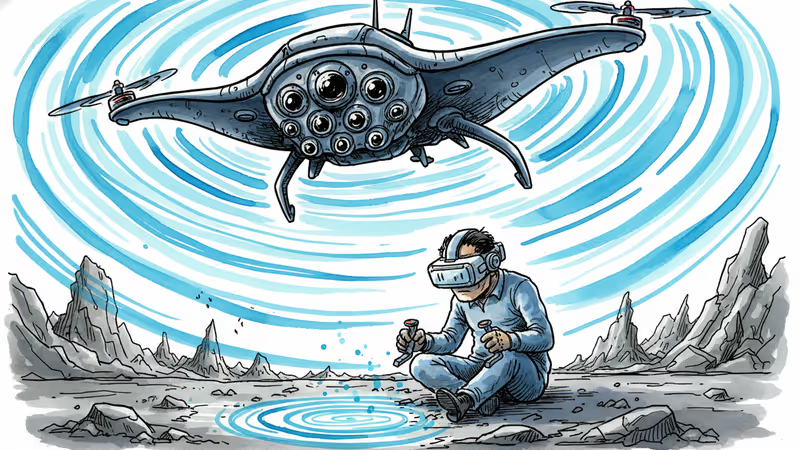
The A1 isn't just another drone with a better camera. It's Insta360's first foray into flight, combining 8K 30fps or 5.7K 60fps recording with true 360-degree capture. The included Vision Goggles provide pilots with a 360-degree first-person view even while the drone flies straight ahead, ensuring no moment goes unnoticed.
What sets this apart is the external screen on the goggles themselves. Bystanders can see exactly what the pilot experiences through the drone's perspective, transforming solo flights into shared experiences. It's like having a window into someone else's aerial adventure.
Learning to Fly Without the Risk

The timing of this discount coincides with Antigravity's launch of a Flight Simulator feature on January 29th. This virtual training environment lets users practice flights through the Vision Goggles without risking an actual crash. For many potential buyers, the fear of destroying an expensive piece of equipment has been the biggest barrier to entry.
This simulator does more than just protect hardware—it democratizes drone piloting. By removing the anxiety around learning, Antigravity is essentially expanding their potential customer base to include people who might never have considered buying a drone before.
The Content Creator Revolution
For professional videographers and content creators, the A1 represents a fundamental shift. Traditional drone footage requires careful planning and multiple takes to capture different angles. The A1 records everything simultaneously, allowing creators to choose their perspective in post-production rather than during flight.
This could particularly impact real estate photography, travel content, and live event coverage. Imagine a wedding videographer capturing the ceremony from above while simultaneously recording the guests' reactions from every angle, or a travel blogger documenting a sunset that viewers can explore from any direction.
Authors
Related Articles
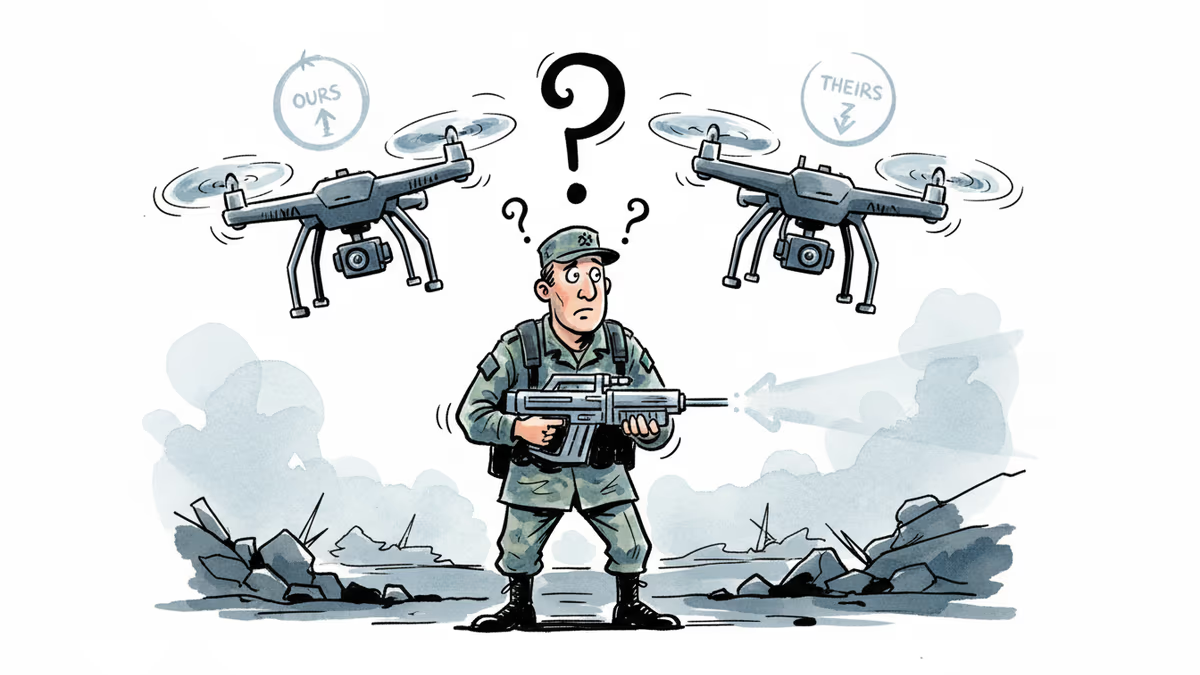
US military mistakenly shot down CBP drone at Texas border, revealing limits of automated defense systems and complexity of modern warfare
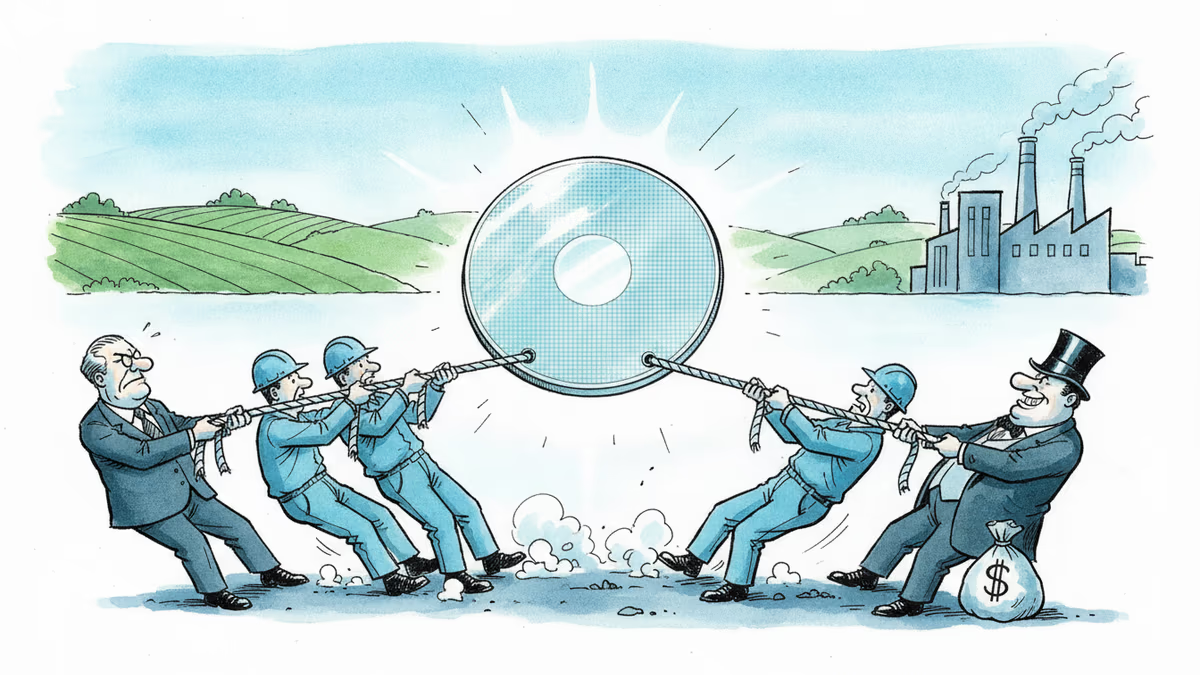
Samsung Electronics' union branch revealed that 84% of survey respondents oppose the government's roughly $290 billion (₩400 trillion) semiconductor megaproject in Gwangju. Government, management, the union and shareholders are all reading the same national project in sharply different ways.
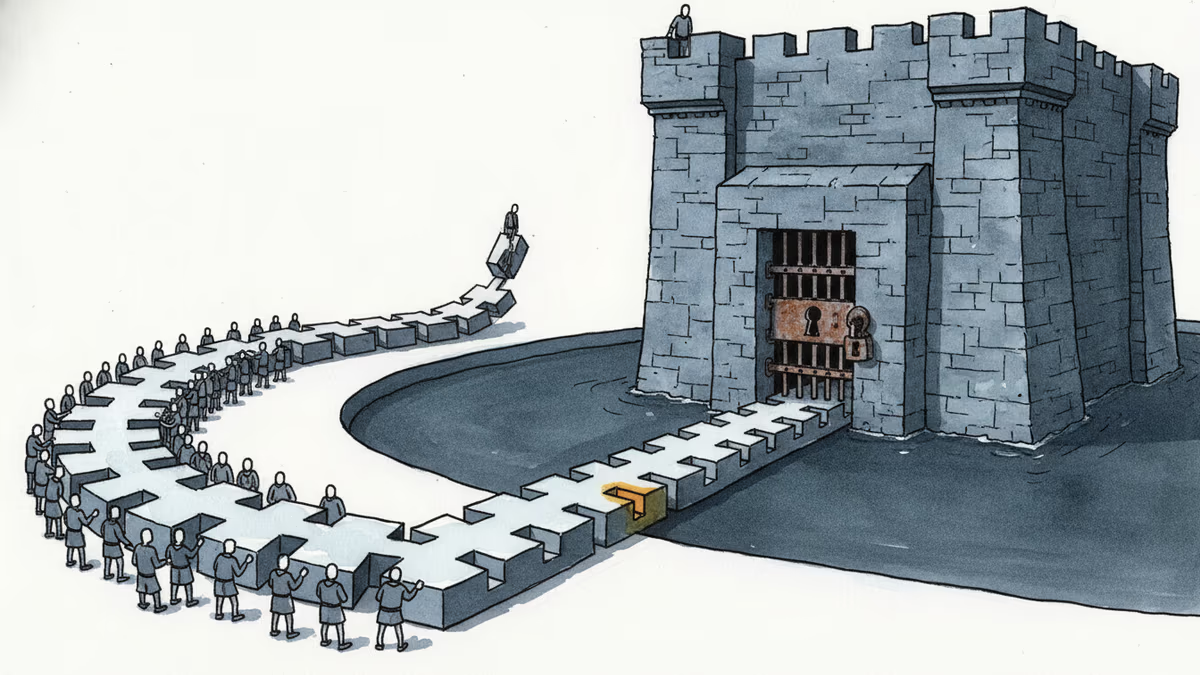
Nvidia shipped roughly a billion RISC-V cores in 2024, then announced it would run CUDA on the open standard. We break down how royalty-free instruction sets and open software stacks are trying to route around CUDA's lock-in. Part 2 of the Semiconductor Sovereignty series.
US AI-chip export controls split into three layers in the first half of 2026 — January easing, a May crackdown on circumvention, and a pending bill. Nvidia erased China from its guidance and still posted a record $81.6 billion quarter. A look at the export policy that both shields and cages it.
US military mistakenly shot down CBP drone at Texas border, revealing limits of automated defense systems and complexity of modern warfare
Samsung Electronics' union branch revealed that 84% of survey respondents oppose the government's roughly $290 billion (₩400 trillion) semiconductor megaproject in Gwangju. Government, management, the union and shareholders are all reading the same national project in sharply different ways.
Nvidia shipped roughly a billion RISC-V cores in 2024, then announced it would run CUDA on the open standard. We break down how royalty-free instruction sets and open software stacks are trying to route around CUDA's lock-in. Part 2 of the Semiconductor Sovereignty series.
US AI-chip export controls split into three layers in the first half of 2026 — January easing, a May crackdown on circumvention, and a pending bill. Nvidia erased China from its guidance and still posted a record $81.6 billion quarter. A look at the export policy that both shields and cages it.
Thoughts
Share your thoughts on this article
Sign in to join the conversation