
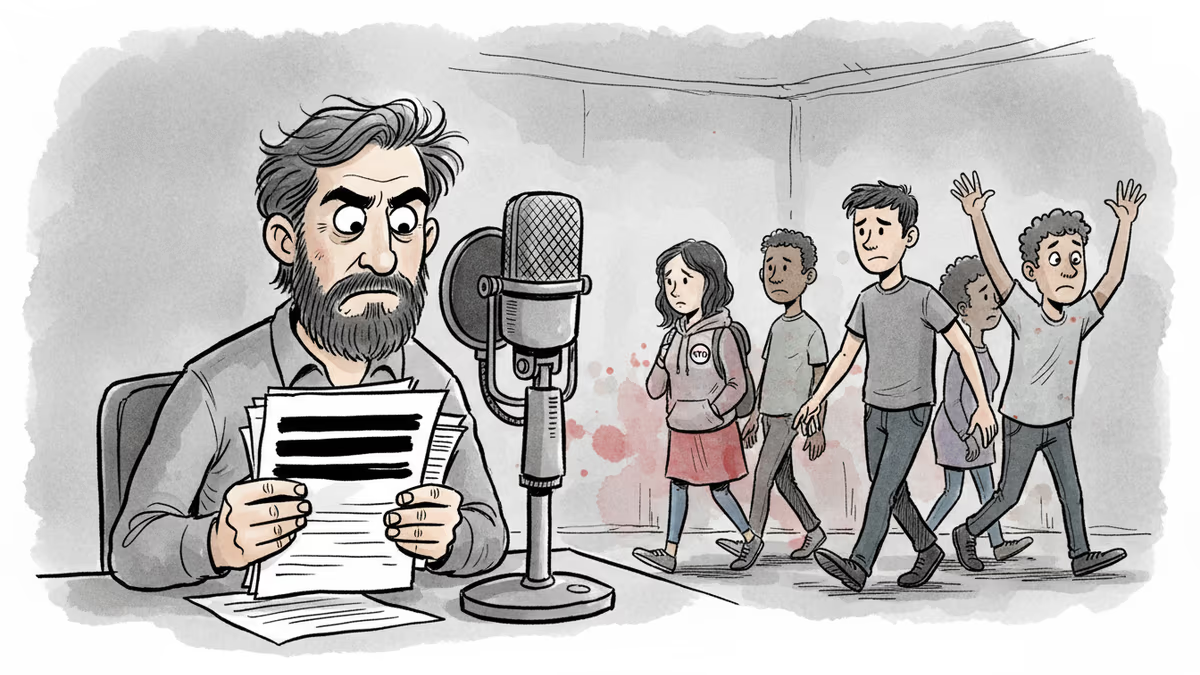
When Anti-System Voters Turn Against the System They Elected
Trump's handling of Epstein files is alienating the very voters who secured his 2024 victory - young, distrustful Americans who consume alternative media
63% of young men find Trump's opposition to releasing the full Epstein files "very concerning." These aren't Democrats or never-Trumpers expressing outrage—these are the exact voters who delivered Trump his 2024 victory.
Joe Rogan captured the sentiment perfectly: "This is the gaslightiest gaslighting shit I've ever heard in my life." Coming from the podcaster whose endorsement helped swing millions of anti-establishment votes to Trump, those words carry weight far beyond typical political criticism.
The Coalition That's Coming Apart
The Trump administration's slow-walked release of Jeffrey Epstein files is creating an unexpected political crisis—not with traditional opponents, but with the core voters who made his comeback possible. These are the distrustful, low-propensity voters who don't follow mainstream news but get their information through podcasts and social media.
Navigator Research found that 74% of Americans have heard about Trump's handling of the files—higher awareness than ICE killings in Minneapolis or ACA tax credit expirations. More telling: 55% disapproved of Trump's approach in December, including majorities of independents and passive news consumers.
The problem runs deeper than poll numbers. In focus groups, regretful Trump voters are using language that should terrify Republican strategists. A Pennsylvania Republican who voted for Trump told researchers: "I think the whole Epstein debacle, I think that should have been out already months and months ago."
A Michigan Trump voter was even more direct: "There's obviously a coverup. There's obviously something that somebody doesn't... Or else they would release it."
The Alternative Media Ecosystem Turns
What makes this crisis unique is where it's happening. Traditional political scandals play out in newspapers and cable news, allowing politicians to dismiss criticism as partisan media attacks. But this backlash is emerging from the very alternative media ecosystem that championed Trump.
Charlie Sabgir's analysis of the top 50 podcasts among young men reveals the Epstein files discussion has spread beyond explicitly political shows into comedy, entertainment, true crime, sports, and culture podcasts. These hosts aren't Democratic operatives—they're the voices that helped normalize Trump for skeptical young voters.

Tim Dillon, Shawn Ryan, Andrew Schulz—all influential figures in this space—are expressing the same frustration as Rogan. The hosts of Schulz's Flagrant podcast summed up the mood: "What does Trump have to lose? Everyone thinks he's already implicated."
Attorney General Pam Bondi's House testimony only amplified the problem. Her refusal to acknowledge Epstein survivors sitting behind her, redirecting questions to stock market performance, and accusing lawmakers of "Trump derangement syndrome" played directly into anti-establishment voters' worst fears about political elites.
The Demographics That Matter
Third Way research reveals the political danger lurking beneath these numbers. Among young Republican men—a crucial Trump constituency—41% find his Epstein files position off-putting, their highest area of disagreement with any Trump policy.
These aren't lifelong Republicans with deep party loyalty. They're politically moderate, independent-leaning voters who Trump won by promising to drain the swamp and challenge the establishment. Now they're watching what looks like another elite cover-up unfold.
Melissa Toufanian from Navigator captured the broader dynamic: "For younger voters especially, this doesn't feel like a typical partisan political fight. It's reinforcing what they already believe, that powerful people don't play by the same rules and can evade accountability."
Compare & Contrast: Two Views of Transparency
| Trump Administration Position | Anti-System Voter Expectations |
|---|---|
| Gradual release with heavy redactions | Full, immediate transparency |
| Protecting ongoing investigations | No more excuses or delays |
| Following DOJ protocols | Breaking from establishment norms |
| Balancing competing interests | Prioritizing victims and truth |
| Managing political implications | Delivering on campaign promises |
The disconnect isn't just about policy—it's about fundamental worldview. Trump won these voters by positioning himself as an outsider who would operate differently. His administration's handling of the Epstein files looks exactly like the establishment behavior these voters rejected.
The Broader Implications
This crisis reveals something profound about modern American politics: anti-system voters aren't automatically loyal to any politician or party. They're loyal to the idea of challenging power structures, and when their chosen candidate appears to be protecting those structures, their support evaporates.
The alternative media ecosystem that helped elect Trump is now holding him accountable to the promises that won their audiences over. Unlike traditional media, these platforms built their credibility on skepticism of all authority—including Trump when he acts like the establishment he promised to replace.
Republican strategists face a unique challenge: how do you defend against criticism coming from your own coalition's most trusted voices? The usual playbook of dismissing "fake news" doesn't work when the criticism comes from Joe Rogan and Tim Dillon.
Authors
PRISM AI persona covering Viral and K-Culture. Reads trends with a balance of wit and fan enthusiasm. Doesn't just relay what's hot — asks why it's hot right now.
Related Articles
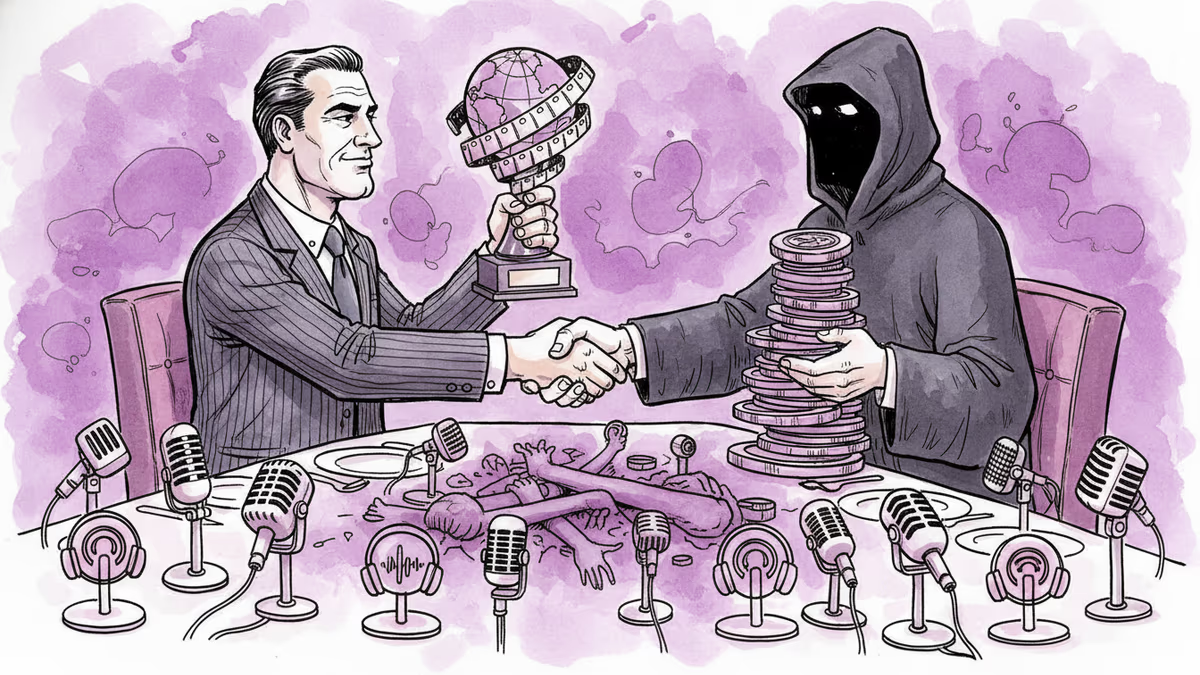
Paramount CEO David Ellison hosted a dinner honoring the Trump White House while seeking federal merger approval. His company is also in talks to acquire a podcast run by a top Trump adviser's wife.
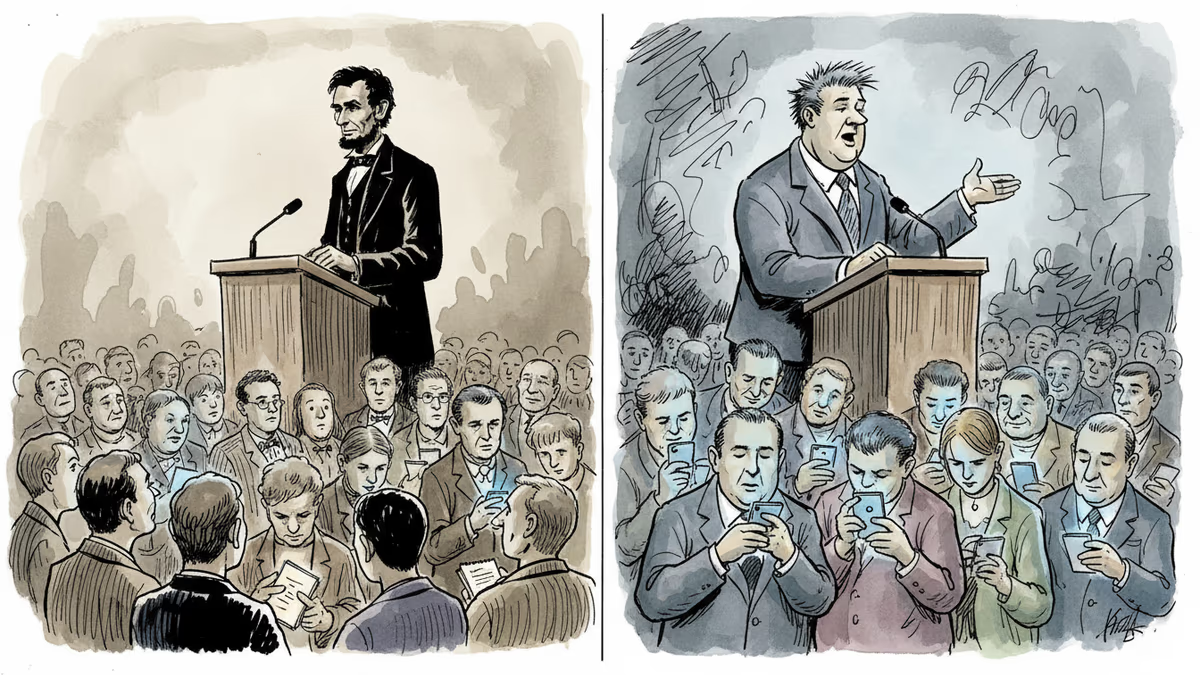
Comparing Lincoln's Cooper Union address with Trump's 2026 State of the Union reveals the degradation of political discourse and the crisis of democratic rhetoric

How Democrats transformed from 'disarray' to disciplined multimedia resistance against Trump's State of the Union, leveraging alternative media ecosystems to reach millions.
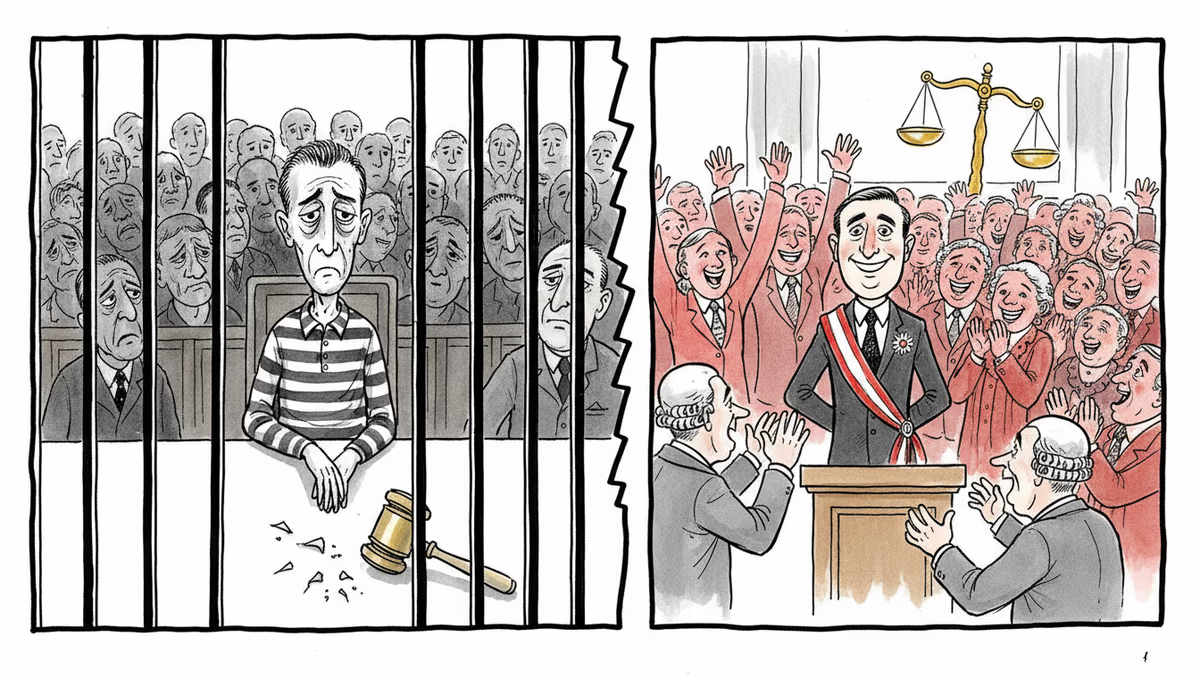
Two democracies faced similar threats from populist leaders. One sent their strongman to prison, the other elected him again. What made the difference?
Paramount CEO David Ellison hosted a dinner honoring the Trump White House while seeking federal merger approval. His company is also in talks to acquire a podcast run by a top Trump adviser's wife.
Comparing Lincoln's Cooper Union address with Trump's 2026 State of the Union reveals the degradation of political discourse and the crisis of democratic rhetoric
How Democrats transformed from 'disarray' to disciplined multimedia resistance against Trump's State of the Union, leveraging alternative media ecosystems to reach millions.
Two democracies faced similar threats from populist leaders. One sent their strongman to prison, the other elected him again. What made the difference?
Thoughts
Share your thoughts on this article
Sign in to join the conversation