

AMD CES 2026 AI Chips: A Bold Move to Challenge the Status Quo
AMD introduced its next-generation AI chips at CES 2026. Explore how the new AMD CES 2026 AI chips aim to disrupt the market and compete with Nvidia's dominance.
The AI chip war just reached a fever pitch. According to Reuters, AMD unveiled its latest lineup of AI-focused silicon at the CES 2026 event in Las Vegas. This announcement signals a major push to dismantle the current market dominance held by its rivals.
Unveiling the AMD CES 2026 AI Chips Lineup
AMD's new hardware targets both high-performance data centers and the growing demand for edge computing. Industry insiders report that these chips boast a 30% improvement in power efficiency compared to previous generations, a critical metric for enterprise-scale AI deployment.

- Advanced architecture optimized for large language models (LLMs)
- Enhanced NPU performance for on-device AI tasks
- Strategic expansion of the Ryzen AI portfolio for consumer PCs
Market Dynamics and Competitive Landscape
Analysts suggest that AMD is positioning itself as the primary alternative to Nvidia. By focusing on open-source software compatibility and aggressive pricing, the company aims to capture a larger share of the AI accelerator market, which is currently worth billions.
Authors
Related Articles

AMD's MI325X matches or beats Nvidia on memory and bandwidth — yet Nvidia's 86-92% share holds. The real moat is CUDA, 20 years in the making. Part 1 of 4.

AMD launches its first desktop AI processors, but they're exclusively for business PCs. What does this tell us about the real market for desktop AI?
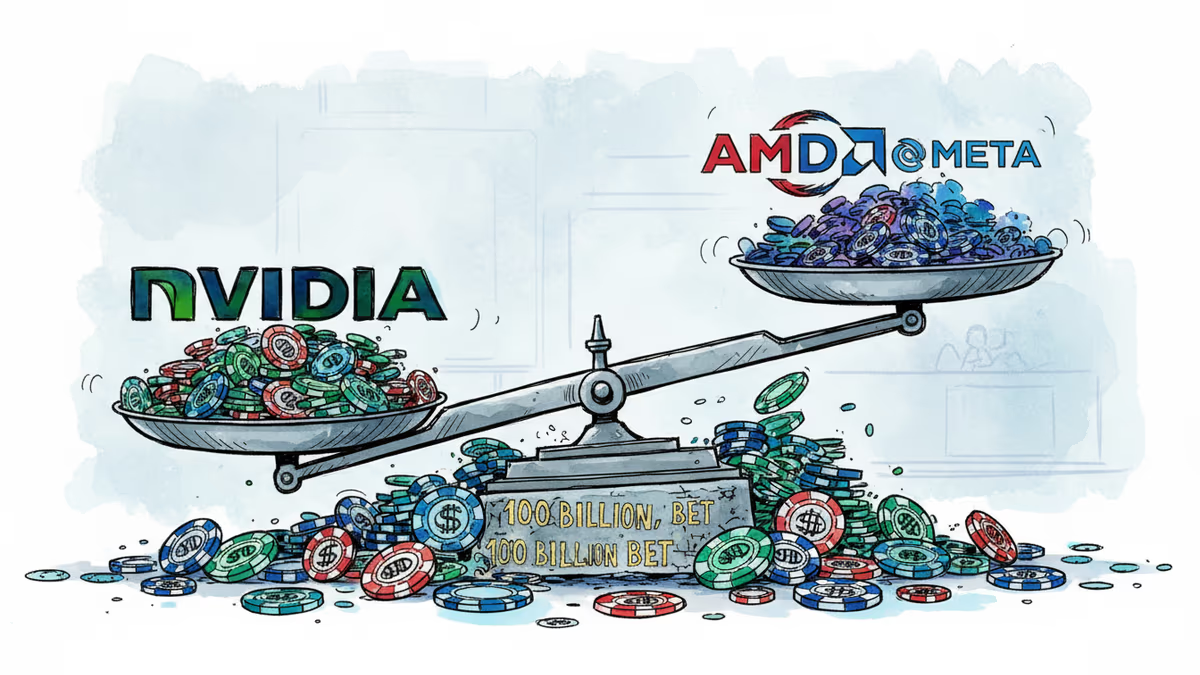
Meta's massive AMD partnership with equity warrants reveals a strategic shift in AI chip markets. Is this the beginning of the end for Nvidia's dominance?
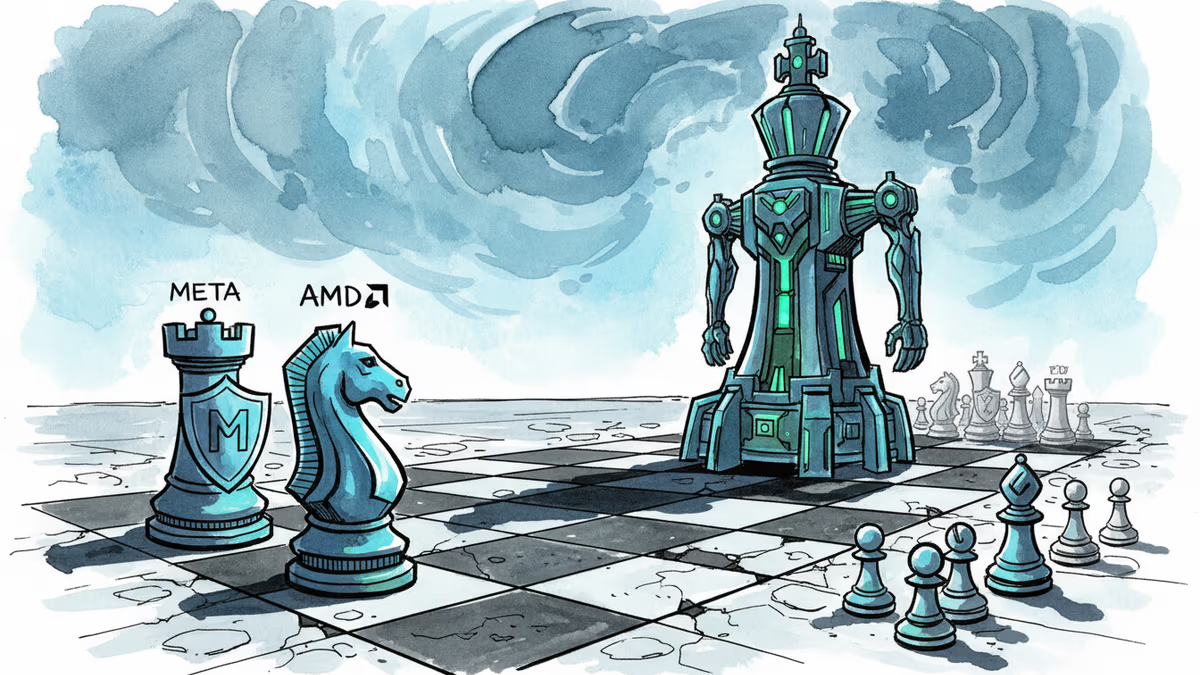
Meta strikes multi-billion dollar chip deal with AMD, considering 10% stake. Will this challenge Nvidia's AI dominance and reshape the semiconductor landscape?
AMD's MI325X matches or beats Nvidia on memory and bandwidth — yet Nvidia's 86-92% share holds. The real moat is CUDA, 20 years in the making. Part 1 of 4.
AMD launches its first desktop AI processors, but they're exclusively for business PCs. What does this tell us about the real market for desktop AI?
Meta's massive AMD partnership with equity warrants reveals a strategic shift in AI chip markets. Is this the beginning of the end for Nvidia's dominance?
Meta strikes multi-billion dollar chip deal with AMD, considering 10% stake. Will this challenge Nvidia's AI dominance and reshape the semiconductor landscape?
Thoughts
Share your thoughts on this article
Sign in to join the conversation