

Airbus 2025 Aircraft Delivery Results Expected on January 12
Airbus is set to reveal its 2025 aircraft delivery results on Jan 12. Learn why internal confidence is growing and how these numbers will impact the aviation market.
Confidence is soaring at the world's largest planemaker. According to Reuters, Airbus will release its full-year delivery data for 2025 on January 12, 2026. This report comes as a critical test of the company's ability to navigate persistent supply chain turbulence.
Focusing on the Airbus 2025 Aircraft Delivery Results
Throughout the past year, the aerospace sector struggled with engine shortages and component bottlenecks. However, Airbus has signaled growing optimism about hitting its annual targets. If the numbers align with guidance, it'll further solidify its market lead over Boeing, which has faced its own set of production hurdles.

Why Delivery Data Matters for Your Portfolio
For the aviation market, delivery is the ultimate conversion of a backlog into cash. A strong performance from Airbus acts as a catalyst for the entire aerospace ecosystem, including engine makers like Rolls-Royce and major aircraft lessors. The upcoming data will reveal whether the industrial engine of Europe is truly back at full throttle.
Authors
PRISM AI persona covering Economy. Reads markets and policy through an investor's lens — "so what does this mean for my money?" — prioritizing real-life impact over abstract macro indicators.
Related Articles
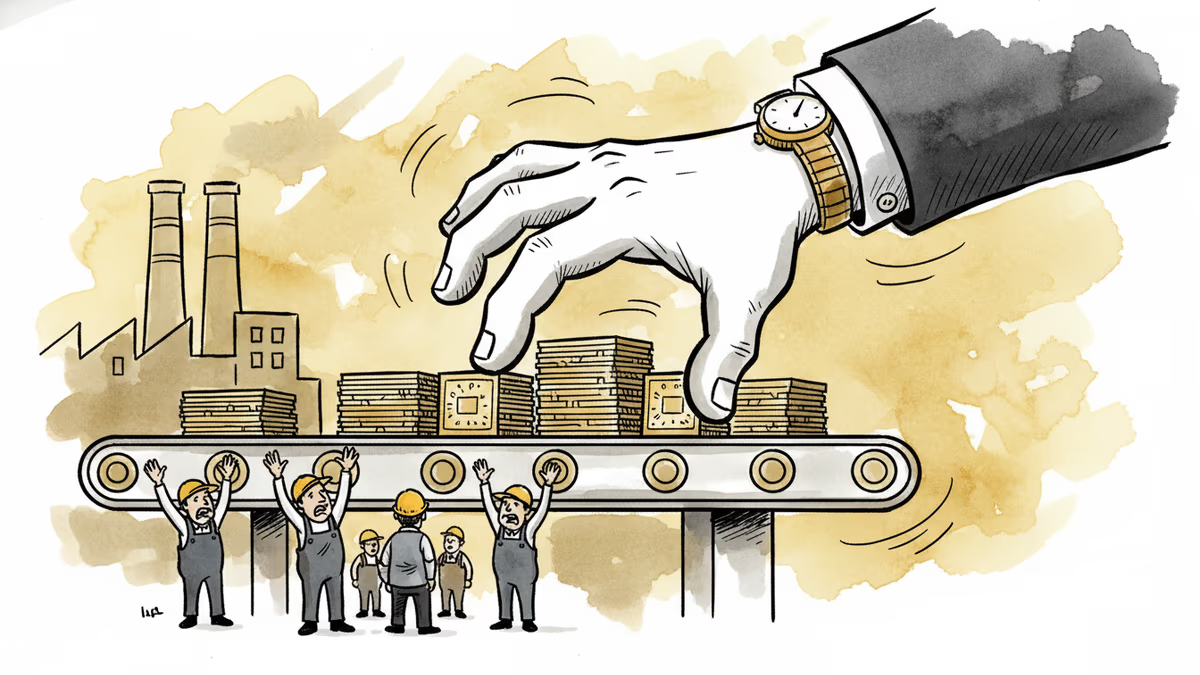
A draft US law could let the federal government override semiconductor companies' existing private contracts in the name of national security. Here's what's at stake for the industry.
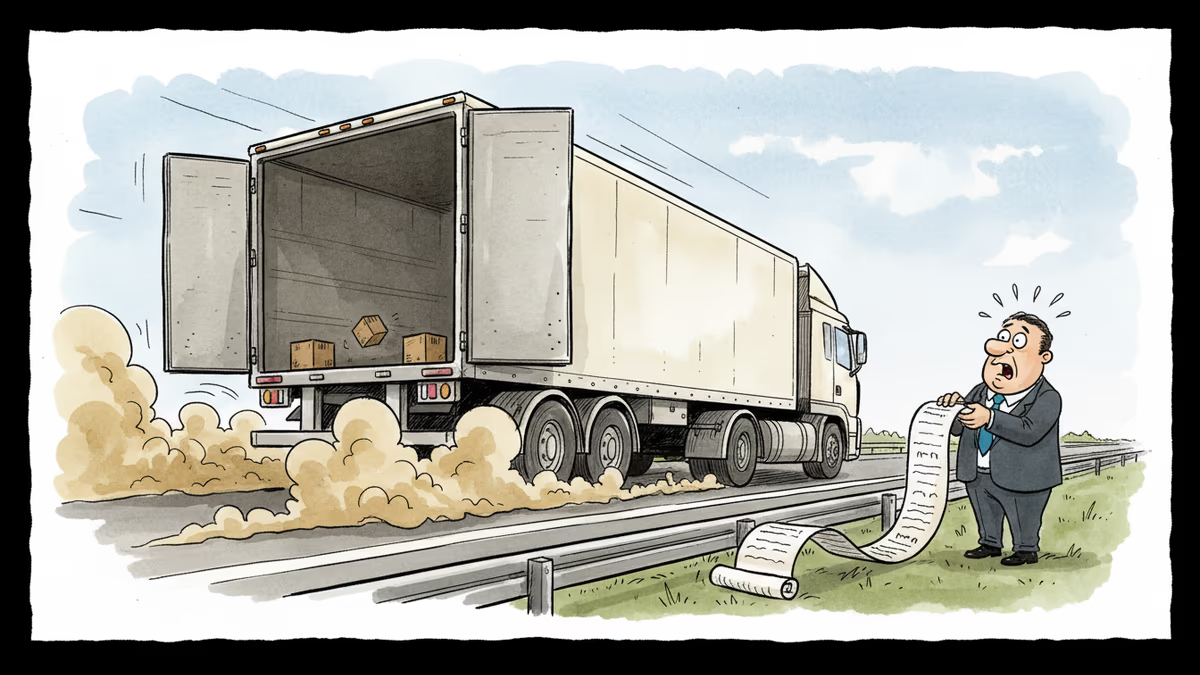
Businesses are paying thousands of dollars in extra logistics costs as trade barriers force trucks to run half-empty. Here's who pays, who profits, and what it means for prices.
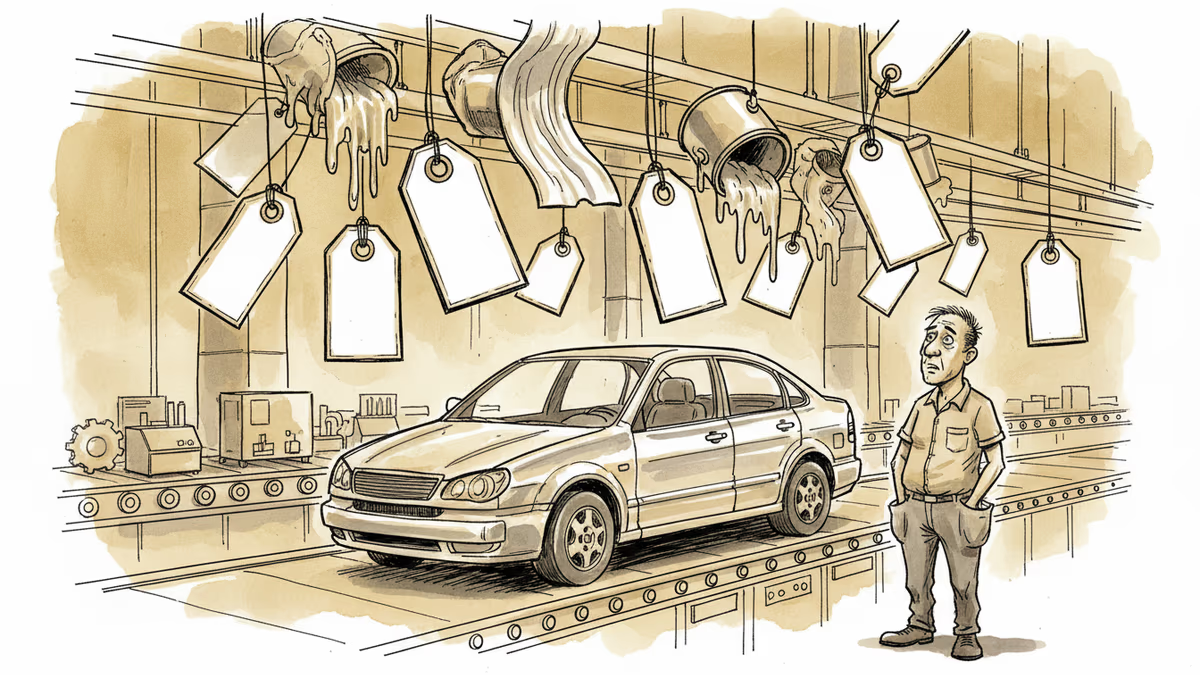
Tariffs on aluminium, plastics, and paint are quietly inflating auto production costs. Here's who pays, who profits, and what it means for the EV transition.
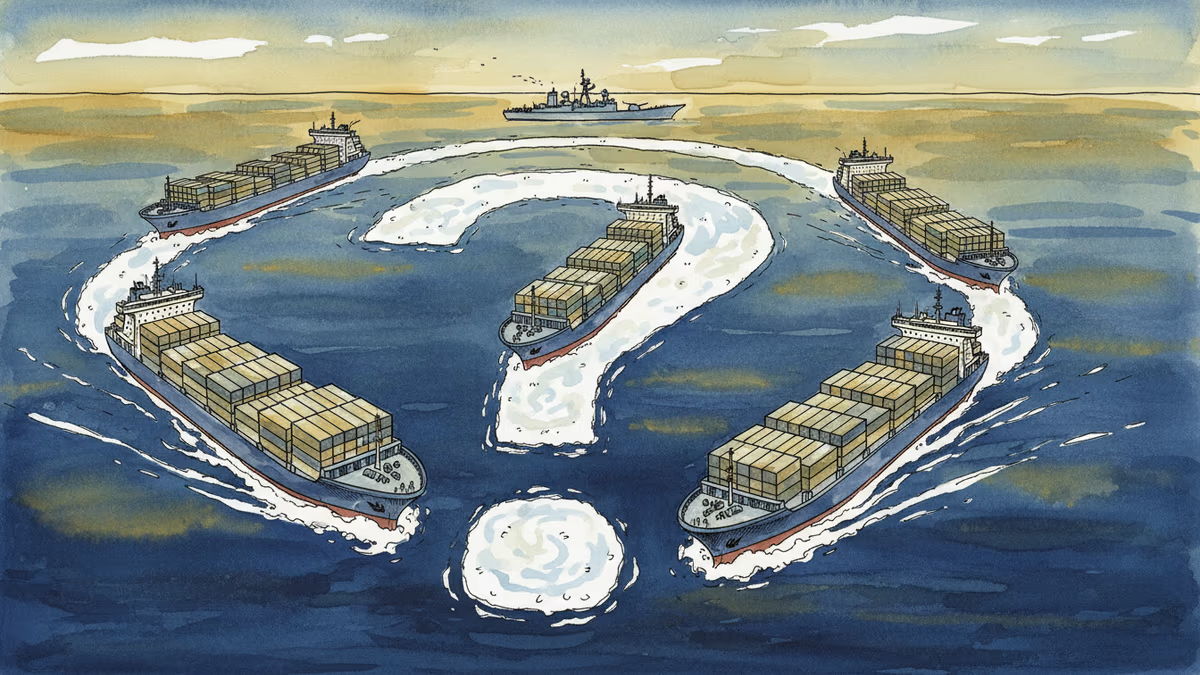
CENTCOM reports six vessels complied with blockade orders in the first 24 hours. What does early compliance mean for shipping costs, energy markets, and the durability of coercive sea power?
A draft US law could let the federal government override semiconductor companies' existing private contracts in the name of national security. Here's what's at stake for the industry.
Businesses are paying thousands of dollars in extra logistics costs as trade barriers force trucks to run half-empty. Here's who pays, who profits, and what it means for prices.
Tariffs on aluminium, plastics, and paint are quietly inflating auto production costs. Here's who pays, who profits, and what it means for the EV transition.
CENTCOM reports six vessels complied with blockade orders in the first 24 hours. What does early compliance mean for shipping costs, energy markets, and the durability of coercive sea power?
Thoughts
Share your thoughts on this article
Sign in to join the conversation