
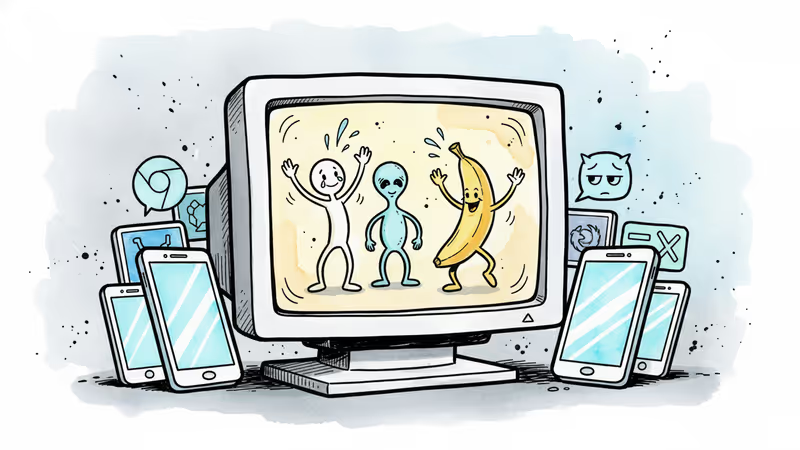
Adobe Animate's 30-Year Run Ends as Creative Tools Shift to New Platforms
Adobe discontinues Animate after three decades, signaling major changes in animation software landscape. What this means for creators and the industry.
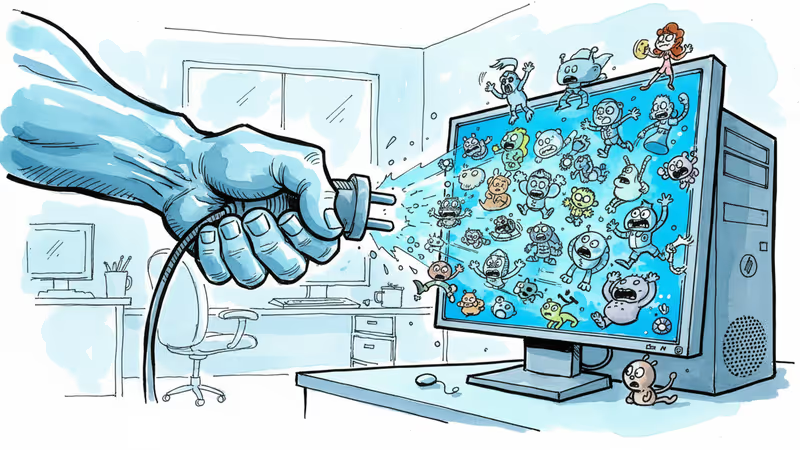
After 30 years in the animation world, Adobe Animate is taking its final bow. The software giant announced it will stop selling the animation tool on March 1st, marking the end of an era that began when FutureWave Software first launched the vector graphics application back in 1996.
The writing has been on the wall for some time. Adobe's official FAQ cites "the emergence of new platforms that better serve the needs of users" as the reason for discontinuation. Current users aren't being left in the lurch immediately—they have until March 1st, 2027 to access and download their files, with enterprise customers getting an extra two years until 2029.
The Rise and Fall of Flash Empire
Adobe Animate wasn't always called that. Many will remember it as Flash Professional, the powerhouse behind countless web animations, games, and interactive content that defined the early internet. From Newgrounds cartoons to educational websites, Flash was everywhere.
But the digital landscape shifted beneath its feet. Apple's decision to exclude Flash from iOS devices in 2010 was the first major blow. Steve Jobs' famous open letter criticized Flash for being proprietary, battery-draining, and security-prone. When Google Chrome began blocking Flash content by default in 2016, the fate was sealed.
Adobe tried to pivot. They rebranded Flash Professional as Adobe Animate in 2015, focusing on HTML5 output instead of Flash files. But the damage was done—developers and creators had already migrated to newer tools and platforms.
What Creators Are Moving To

The animation landscape today looks radically different. Web developers have embraced CSS animations, JavaScript libraries, and WebGL for interactive content. Professional animators are flocking to specialized tools like Toon Boom Harmony, Blender, or even Adobe's own After Effects.
For 2D character animation, Spine and DragonBones offer skeletal animation systems that export to multiple platforms. Game developers prefer Unity or Unreal Engine for interactive content. Even simple animations are often created directly in Figma or Sketch for web use.
The shift isn't just about technology—it's about workflow. Modern creators want tools that integrate seamlessly with their entire production pipeline, from design to deployment across multiple platforms simultaneously.
The Broader Creative Software Shake-Up
Adobe's decision reflects a larger transformation in creative software. The company is betting big on AI-powered tools, cloud collaboration, and subscription-based services. Adobe Firefly, their AI image generator, receives constant updates, while older standalone applications get phased out.
This isn't unique to Adobe. Autodesk discontinued Maya LT in 2022. Avid has shifted focus from traditional editing suites to cloud-based solutions. The message is clear: software companies are prioritizing tools that fit modern, collaborative, multi-platform workflows.
For creative professionals, this creates both opportunities and challenges. New tools often offer more powerful features and better integration. But they also require learning new workflows and, often, higher subscription costs.
Authors
Related Articles
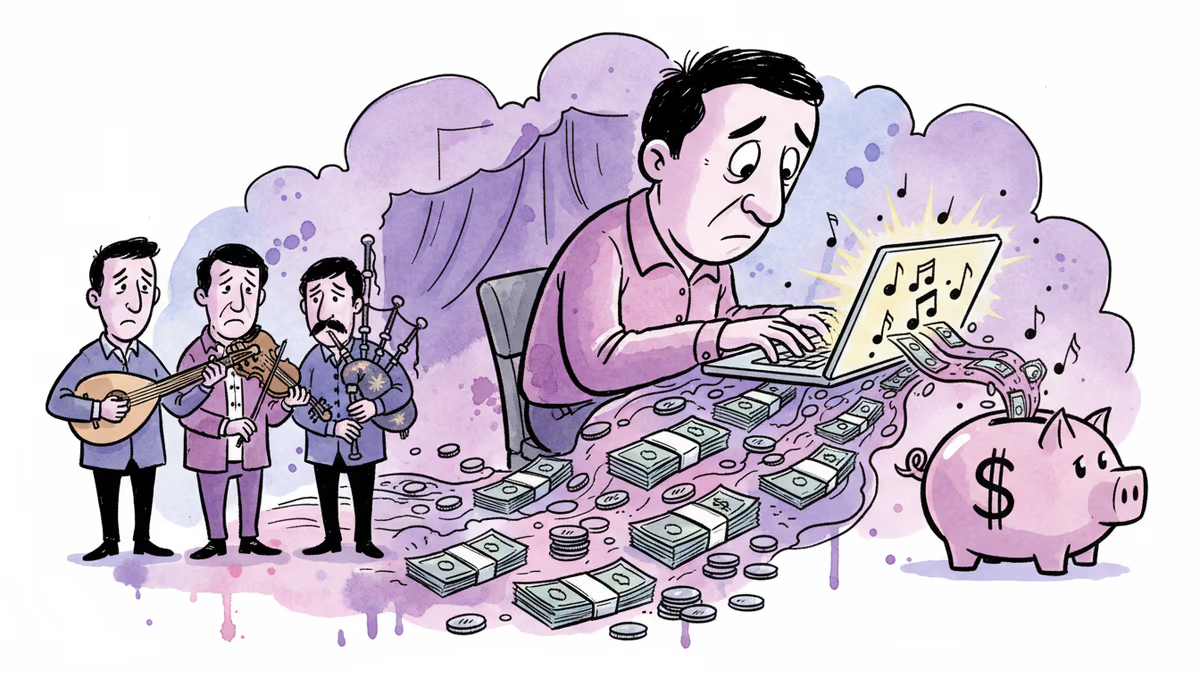
AI music generator Suno reaches 2M paid subscribers and $300M annual revenue, marking a pivotal moment in the democratization of music creation.
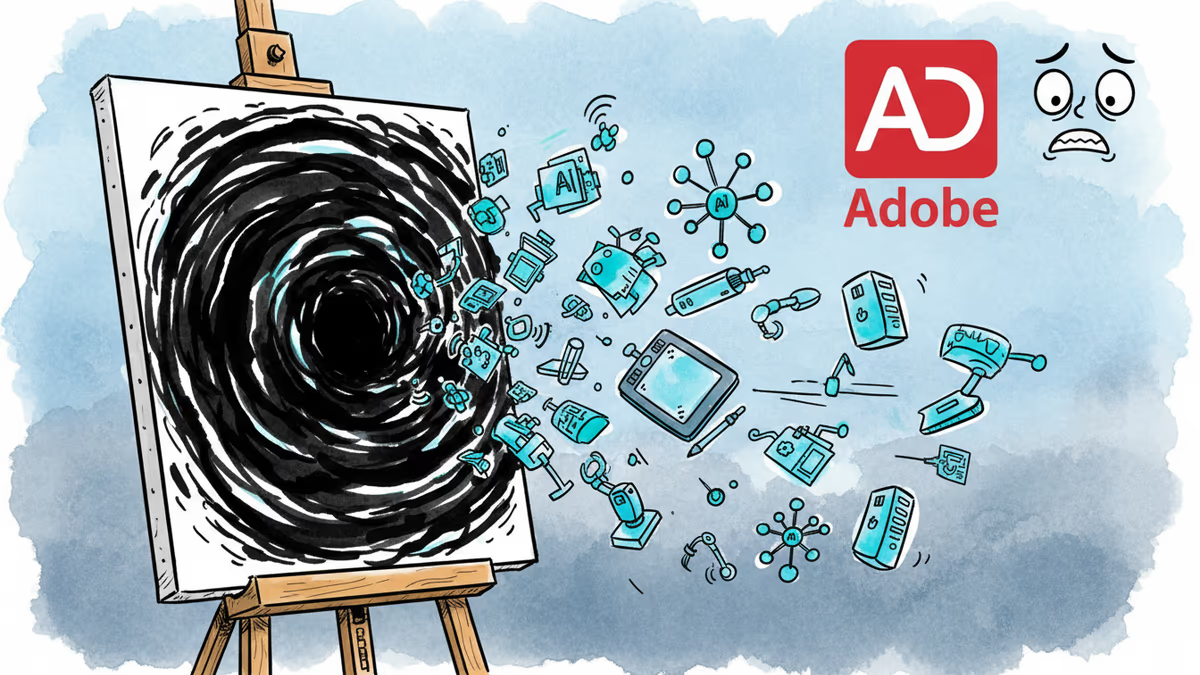
Canva acquires animation tool Cavalry and ad AI MangoAI, building a complete Creative OS to challenge Adobe's dominance. The battle for creative tools heats up.
Canva's 2025 performance shows how AI is reshaping creative tools. The shift from design platform to AI platform signals a fundamental change in how we create.
Adobe reversed its decision to discontinue Animate after just one day of backlash. But the real story isn't about the software—it's about who really owns your digital tools.
AI music generator Suno reaches 2M paid subscribers and $300M annual revenue, marking a pivotal moment in the democratization of music creation.
Canva acquires animation tool Cavalry and ad AI MangoAI, building a complete Creative OS to challenge Adobe's dominance. The battle for creative tools heats up.
Canva's 2025 performance shows how AI is reshaping creative tools. The shift from design platform to AI platform signals a fundamental change in how we create.
Adobe reversed its decision to discontinue Animate after just one day of backlash. But the real story isn't about the software—it's about who really owns your digital tools.
Thoughts
Share your thoughts on this article
Sign in to join the conversation