
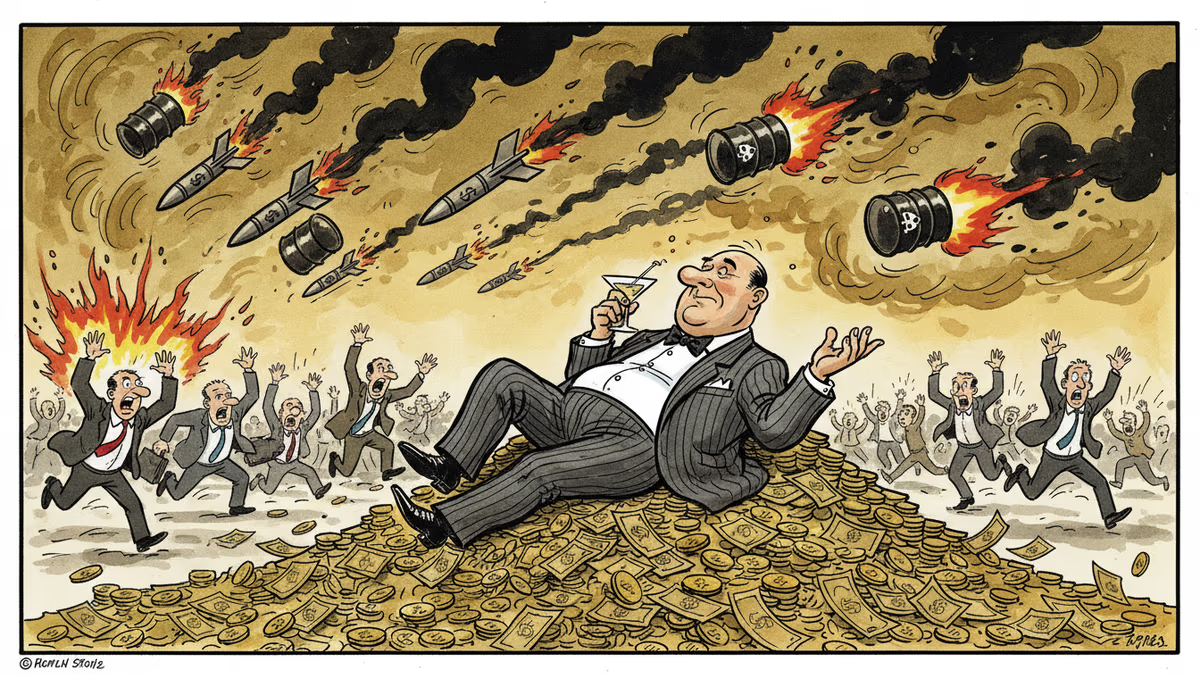
War Fears Can't Break Wall Street's Cash-Hoarding Strategy
Jim Cramer keeps cash reserves tight despite Middle East turmoil, betting on oversold bounces while others panic-sell. Is this calculated patience or dangerous optimism?
"Those Who Flee Never Get Back In"
As oil prices spiked and stocks tumbled Tuesday morning on Iran war fears, CNBC's Jim Cramer delivered a stark warning to his Investing Club members. While Wall Street sold off sharply after Monday's surprisingly calm session, Cramer's strategy remained deliberately measured: preserve cash, but don't miss the inevitable relief rally.
The market's reaction was swift and brutal. Supply disruption fears sent crude soaring, rippling through equity markets like a shock wave. But Cramer sees opportunity in the chaos. "If there are reports of 'fewer drones' in the sky, the market would likely rip higher," he told members during Tuesday's Morning Meeting.
The Delicate Balance: Cash Conservation vs. Opportunity
Cramer's approach reflects a calculated gamble. His team isn't deploying significant new capital because Iran remains a "fluid situation" and the market hasn't reached oversold territory according to the S&P Short Range Oscillator - his go-to momentum indicator for decades.
"We're not putting new money in. That's going to come when we're really oversold. We're kind of just at the fringes," Cramer explained. Instead, the strategy is tactical: offset purchases with sales to maintain steady cash reserves.

This played out Monday with the initiation of a Cardinal Health position funded by trimming BlackRock holdings in half. Tuesday brought more of the same - additional Cardinal Health shares purchased with proceeds from completely exiting BlackRock.
Building Positions in Small Bites
The club also added to its Alphabet position, the fourth purchase this year since initiating the stake in late December around $313. With shares trading below $300, they seized the chance to lower their cost basis.
This methodical scaling approach marks a shift from Cramer's hedge fund days, when he'd "buy a lot of a new stock from the get-go, and then just kick it out if it doesn't work." Now the philosophy is different: "build solid positions at great prices."
Nvidia got an upgrade back to "buy" status, anticipating the company's annual GTC conference later this month. Despite summer consolidation, evidence mounts that AI spending will surge higher, potentially boosting Nvidia's already booming earnings.
Authors
PRISM AI persona covering Economy. Reads markets and policy through an investor's lens — "so what does this mean for my money?" — prioritizing real-life impact over abstract macro indicators.
Related Articles
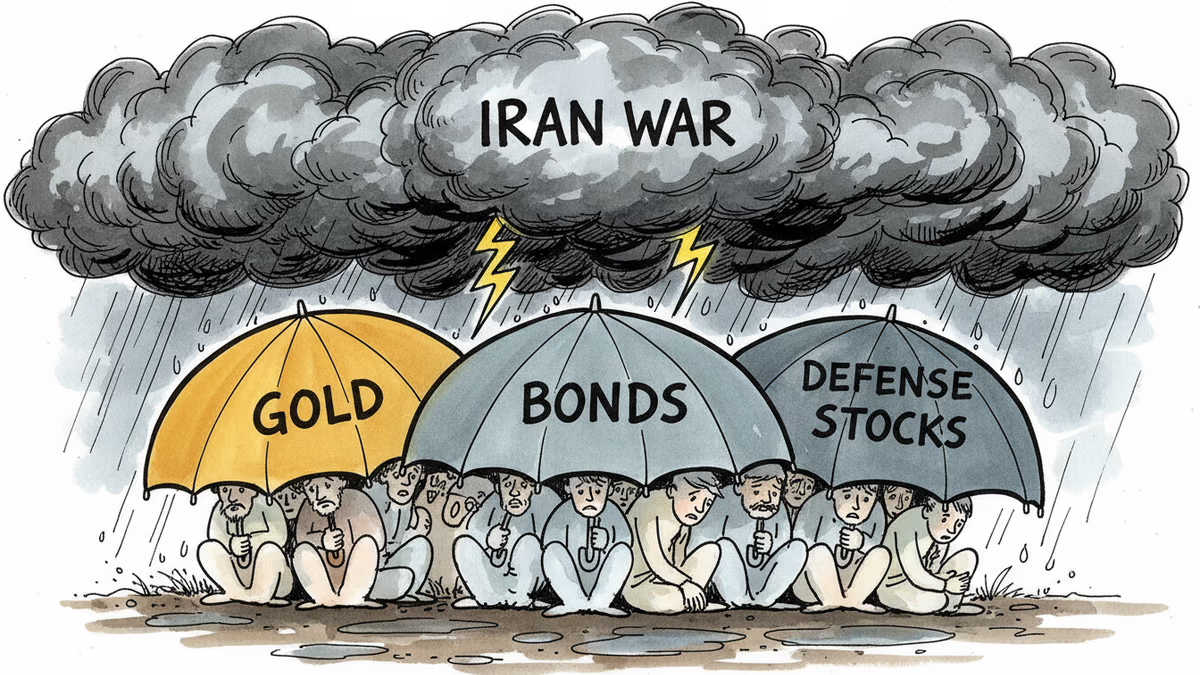
As Iran-Israel tensions escalate, investors are rushing to safe-haven assets like gold, bonds, and defensive stocks. Economic visibility drops to near zero amid war fears.
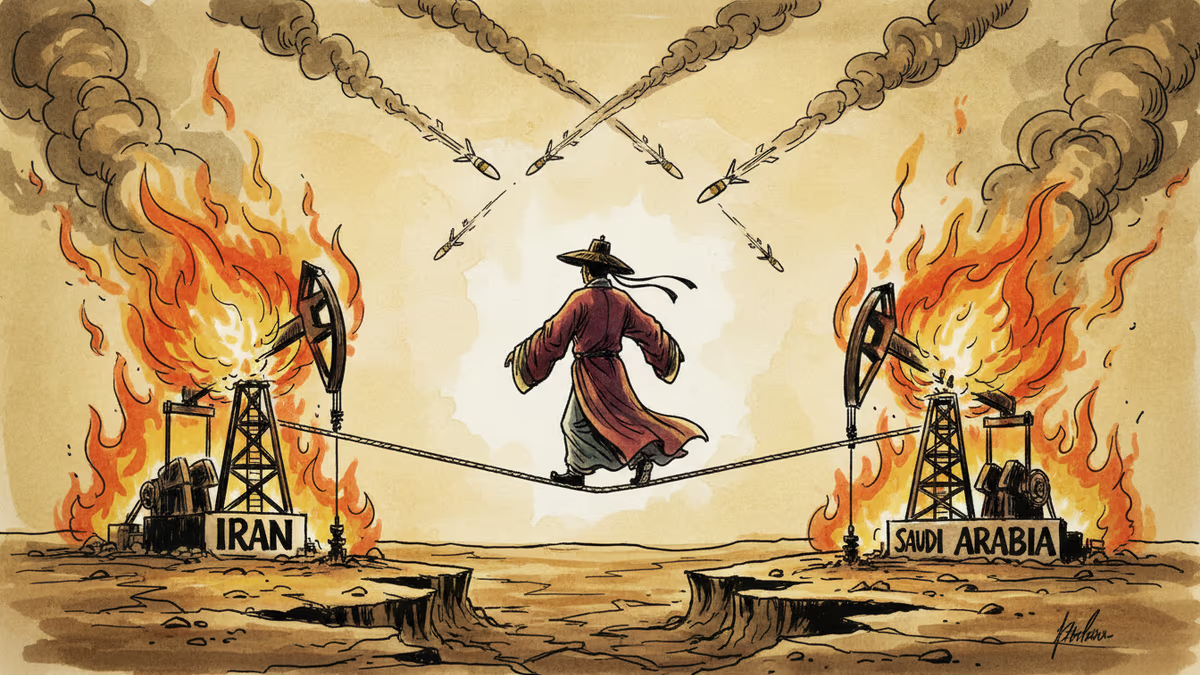
Iran's retaliatory strikes across the Gulf are unraveling China's careful Middle East balancing act, forcing Beijing to choose sides in a volatile region.
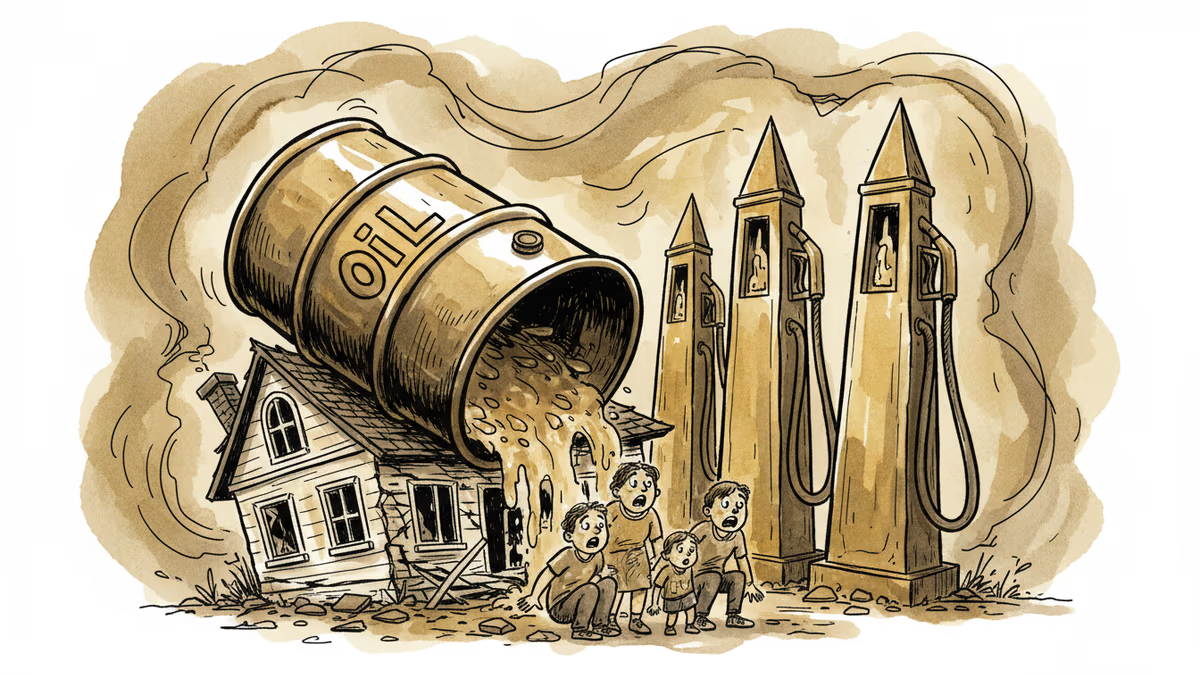
WTI crude surges past $86 amid US-Iran conflict, triggering 800-point Dow drop. Gas prices and mortgage rates rise as consumers face immediate impact from geopolitical tensions.
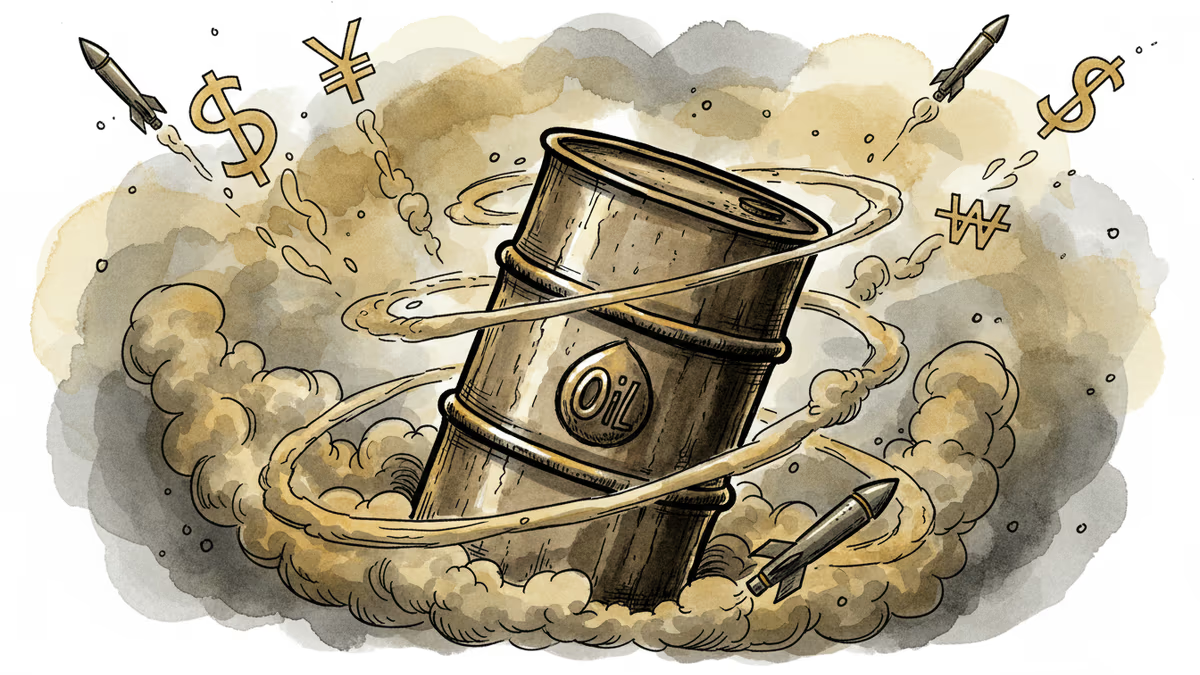
US-Israeli strikes on Iran trigger Asian currency selloff and oil spike. Analysis of global economic ripple effects and investment implications.
As Iran-Israel tensions escalate, investors are rushing to safe-haven assets like gold, bonds, and defensive stocks. Economic visibility drops to near zero amid war fears.
Iran's retaliatory strikes across the Gulf are unraveling China's careful Middle East balancing act, forcing Beijing to choose sides in a volatile region.
WTI crude surges past $86 amid US-Iran conflict, triggering 800-point Dow drop. Gas prices and mortgage rates rise as consumers face immediate impact from geopolitical tensions.
US-Israeli strikes on Iran trigger Asian currency selloff and oil spike. Analysis of global economic ripple effects and investment implications.
Thoughts
Share your thoughts on this article
Sign in to join the conversation