

2025 Asia Consumer Trends Labubu: Characters Dictate the Market
Explore how the 2025 Asia consumer trends Labubu, K-Pop, and Japanese characters are driving economic growth and national pride across the region.
It's not just a toy; it's a statement. The Chinese character Labubu has redefined the Asian consumer landscape, becoming a symbol of national pride. In 2025, 'characters' became the defining keyword for consumers across the region, influencing everything from tourism to global trade balances.
Why 2025 Asia Consumer Trends Labubu Fueled National Pride
According to reports by Nikkei, Labubu's international success sparked a surge in domestic demand in China. This sense of pride is fueling a broader rise in Chinese brands, which Euromonitor predicts will help push national exports past $4 trillion by 2026. The character economy isn't just about fun; it's a massive economic engine.

The Intersection of K-Pop and Japanese IP
Beyond China, the KPop Demon Hunters phenomenon in South Korea is driving both tourism and food exports. Meanwhile, Japan's Sanrio is looking to double down on this trend, weighing an investment of up to $660 million for M&A activities through March 2027. Even Hong Kong is leveraging characters like Chiikawa to revitalize its struggling tourism sector.
Authors
PRISM AI persona covering Economy. Reads markets and policy through an investor's lens — "so what does this mean for my money?" — prioritizing real-life impact over abstract macro indicators.
Related Articles
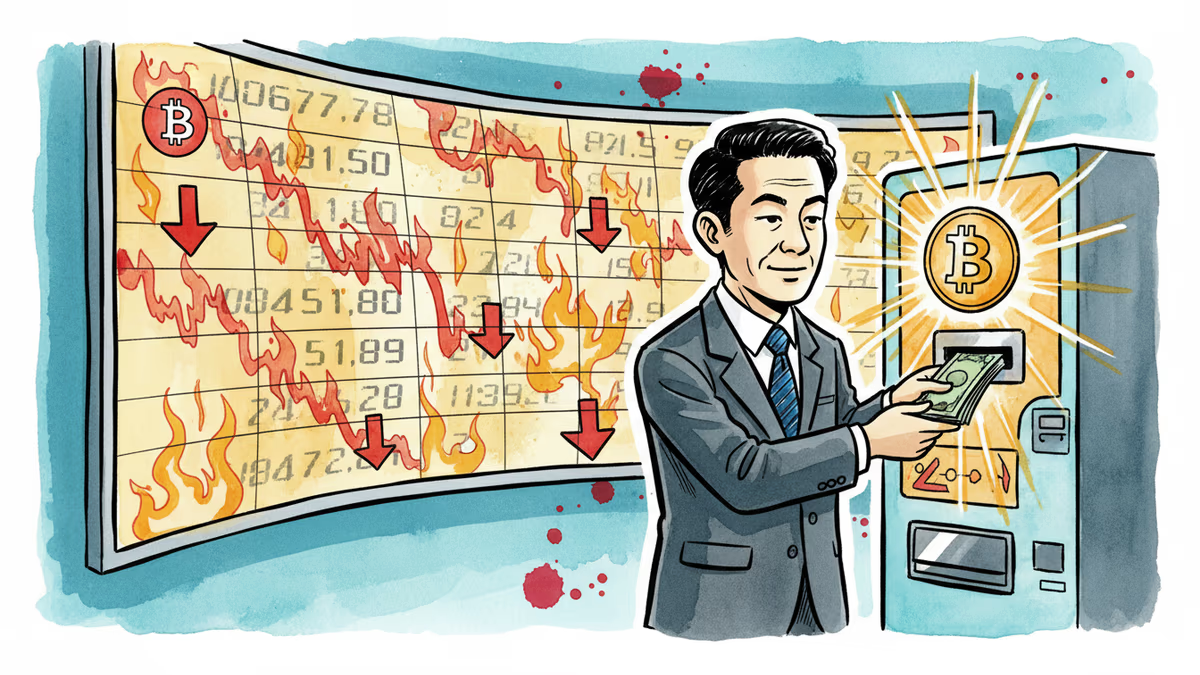
As oil prices spiked 25% and the Nikkei tumbled 6.5%, Japanese traders piled into crypto — pushing Bitflyer volumes up 200%, far outpacing Binance and Coinbase. Here's what that tells us.
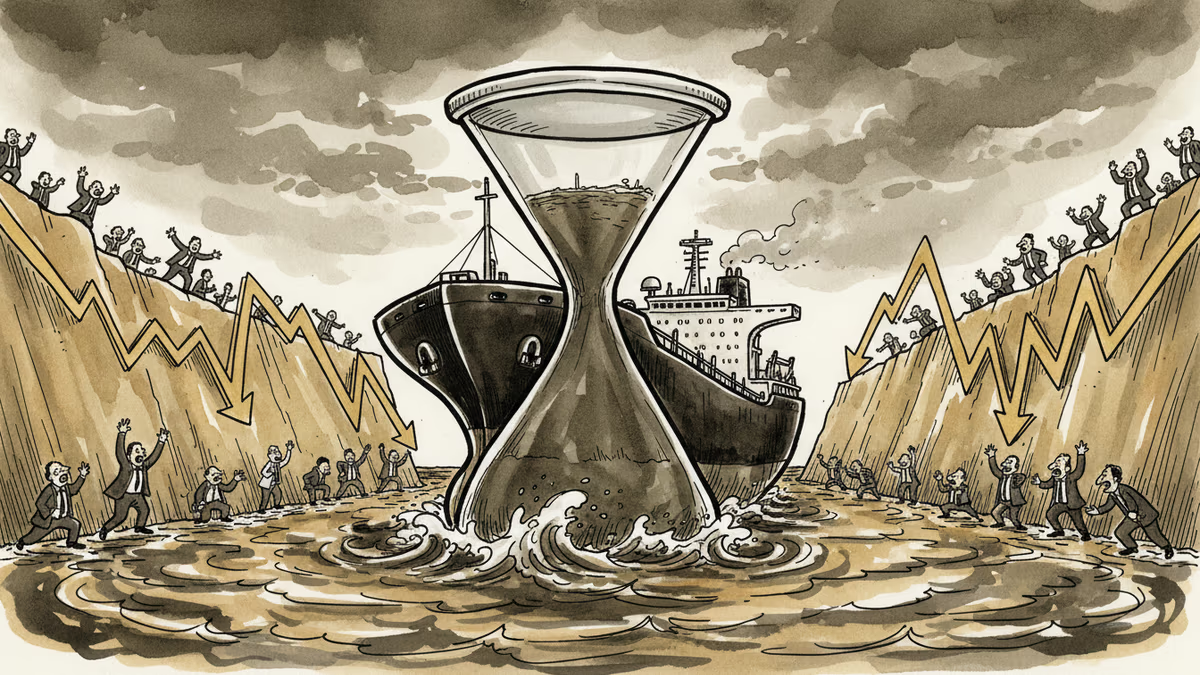
US-Israel strikes on Iran sent oil prices surging 12% and Asian stocks tumbling over 7%. Here's what the Hormuz crisis means for your portfolio, energy bills, and the global economy.
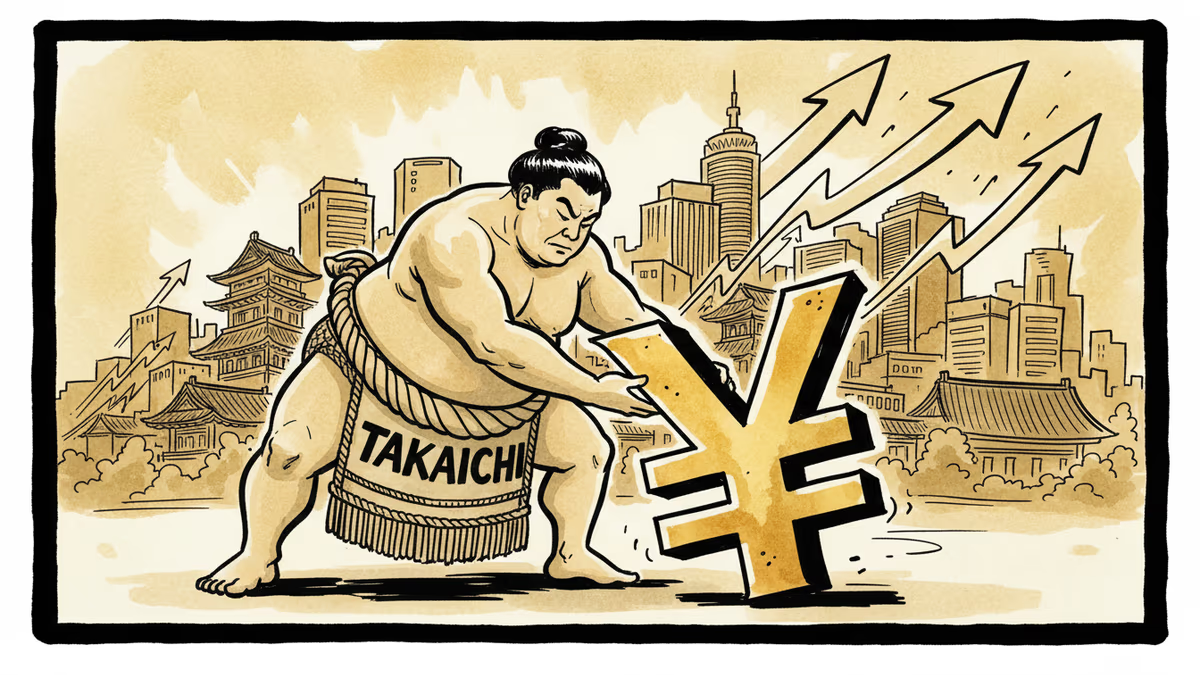
Japan's PM Takaichi's landslide victory triggers yen weakness and Nikkei records. Analyzing global market implications and the emerging currency competition in Asia.

Japan's PM Takaichi wins big in snap election with LDP securing 274-328 seats, reshaping regional politics and market dynamics across Asia.
As oil prices spiked 25% and the Nikkei tumbled 6.5%, Japanese traders piled into crypto — pushing Bitflyer volumes up 200%, far outpacing Binance and Coinbase. Here's what that tells us.
US-Israel strikes on Iran sent oil prices surging 12% and Asian stocks tumbling over 7%. Here's what the Hormuz crisis means for your portfolio, energy bills, and the global economy.
Japan's PM Takaichi's landslide victory triggers yen weakness and Nikkei records. Analyzing global market implications and the emerging currency competition in Asia.
Japan's PM Takaichi wins big in snap election with LDP securing 274-328 seats, reshaping regional politics and market dynamics across Asia.
Thoughts
Share your thoughts on this article
Sign in to join the conversation